
Have you ever glanced at your plastic lawn furniture and thought about giving it a fresh new look? Maybe the sun has faded its color, or perhaps you’re just itching for a change to match your outdoor decor.
You might wonder, can you paint plastic lawn furniture and achieve a stunning result? Imagine transforming your backyard into a vibrant oasis where every piece of furniture looks brand new. With the right approach, this dream is within your grasp.
You’ll discover the secrets to successfully painting plastic lawn furniture, ensuring your outdoor space is as inviting and stylish as you’ve always wanted. Stick around to learn how a simple coat of paint can breathe new life into your yard.

Credit: danslelakehouse.com
Choosing The Right Paint
Painting plastic lawn furniture requires special paint for proper adhesion. Choose spray paint designed for plastic surfaces. This ensures a smooth, long-lasting finish.
Choosing the right paint for your plastic lawn furniture can make all the difference in transforming your outdoor space. It’s not just about picking a color; it’s about ensuring longevity, protection, and a smooth finish. Have you ever spent hours painting only to watch it chip away within weeks? Selecting the appropriate paint can save you from this frustration and keep your furniture looking fresh.Understanding Paint Types
When deciding on paint, familiarize yourself with the options available for plastic surfaces. Not all paints adhere well to plastic. Look for spray paints specifically designed for plastic, as they bond better and resist peeling. Acrylic and latex paints can work too, but they may require a primer to stick effectively.Consider Weather Resistance
Your lawn furniture braves the elements daily. Choose paint that offers UV protection to prevent fading in the sun. Waterproof paints are essential to protect against rain and moisture, ensuring your effort isn’t washed away with the next storm. Reflect on your local climate to choose a paint that will withstand the conditions.Opt For Easy Application
Paints come in different forms, like sprays and cans. Spray paints offer a more even finish and save time. Cans allow for more control, especially on intricate designs. Think about which application method suits your skill level and the complexity of your furniture’s design.Check For Durability
Durability is key to keeping your furniture looking great. Look for paints labeled as “durable” or “long-lasting.” These paints are formulated to withstand scratches and general wear. Ensuring durability will help maintain that fresh look longer, reducing the need for frequent touch-ups.Environmental Considerations
Consider environmentally friendly options. Some paints have low volatile organic compounds (VOCs), which are better for the environment and your health. Choosing eco-friendly options can make you feel good about your project while keeping your backyard safe. Choosing the right paint can seem daunting, but it’s an important step in revamping your outdoor space. What type of paint will you choose for your next project? Taking the time to choose wisely will ensure your furniture stands up beautifully to both time and the elements.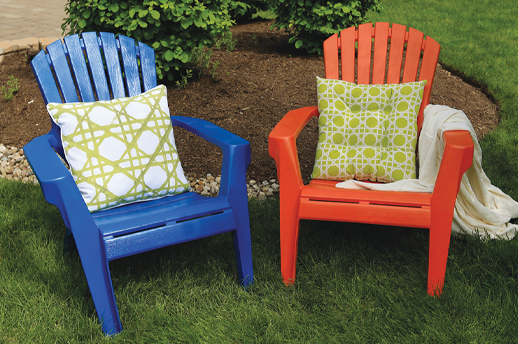
Credit: www.krylon.com
Preparing The Furniture
Painting plastic lawn furniture is possible with the right preparation. Clean the surface thoroughly to remove dirt. Sand lightly to help the paint stick better.
Painting plastic lawn furniture can breathe new life into your outdoor space, transforming tired pieces into vibrant focal points. However, achieving a lasting finish requires careful preparation. It’s like setting the stage for a brilliant performance; without the right groundwork, the final act won’t shine. But how do you set the stage? Let’s dive into the essentials of preparing your furniture for painting.Cleaning The Surface
The first step is to ensure your plastic furniture is thoroughly cleaned. Dirt, grime, and residue can prevent paint from adhering properly. Use a mild soap and warm water to scrub the surface. Rinse it well and let it dry completely. A clean surface is the foundation of a successful paint job.Sanding For Better Adhesion
Plastic can be slippery, causing paint to peel off. Sanding the surface slightly helps the paint adhere better. Use fine-grit sandpaper to gently roughen the surface. You don’t need to sand too hard; just enough to create a bit of texture for the paint to cling to. Think of it as giving your paint a little grip.Choosing The Right Primer
Using a primer is crucial for painting plastic. Primers designed specifically for plastic create a bond between the furniture and the paint. Consider using a spray primer for an even coat. This step not only enhances adhesion but also improves the durability of the paint.Weather Considerations
Weather can play a significant role in your painting process. Pick a day with mild temperatures and low humidity for the best results. Excessive heat or moisture can affect drying times and the final finish. Painting outdoors on a perfect day adds to your project’s success.Personal Experience Insight
I once decided to spruce up my garden with a fresh coat of paint on my old plastic chairs. I skipped the primer, thinking it was unnecessary. A few weeks later, the paint started peeling. Lesson learned: never underestimate the power of proper preparation. Are you ready to see your plastic lawn furniture in a new light? Start preparing your pieces today, and watch them transform into colorful accents that elevate your outdoor space.Painting Techniques
Transforming plastic lawn furniture with paint is possible. First, clean the surface thoroughly. Choose a paint designed for plastic. Follow the instructions carefully for best results. This technique refreshes outdoor spaces affordably.
Painting plastic lawn furniture can breathe new life into your outdoor space. It’s an exciting project that can transform the look of your garden without breaking the bank. But how do you ensure the paint job looks professional and lasts through the seasons? Let’s dive into some effective painting techniques.Preparation Is Key
Start with a clean surface. Dirt and grime can prevent paint from adhering properly. Use soap and water to scrub down the furniture. Rinse thoroughly and let it dry completely. Consider using sandpaper to gently roughen the surface. This creates a better grip for the primer and paint.Choosing The Right Primer
Primer ensures the paint sticks well. Opt for a primer specifically designed for plastic surfaces. This step is crucial for durability. Spray primers are often easier to apply evenly. Apply a thin coat and let it dry according to the product instructions.Selecting The Perfect Paint
Not all paints are created equal, especially for plastic. Look for spray paints labeled for plastic use. These are formulated to bond well and withstand outdoor conditions. Choose a color that complements your garden aesthetic.Applying The Paint
The way you apply the paint makes a huge difference. Hold the spray can about 12 inches from the surface. Use smooth, sweeping motions to avoid drips and uneven layers. Multiple thin coats are better than one thick coat. Allow each layer to dry before adding another.Finishing Touches
Consider adding a clear topcoat for extra protection. This can enhance durability and give a glossy finish. Be sure the topcoat is compatible with plastic surfaces. Check the instructions for drying times to ensure a flawless finish. Have you ever turned a dull piece of furniture into a centerpiece with just a few cans of spray paint? Share your thoughts and tips in the comments below. Your experience might just inspire someone else to take on this rewarding DIY project!
Credit: thevanderveenhouse.com
Conclusion
Painting plastic lawn furniture is possible and rewarding. It refreshes your outdoor space. Choose the right paint for plastic surfaces. Clean the furniture thoroughly before painting. Use primer to help paint stick better. Apply paint evenly in thin layers. Let each layer dry properly.
Protect your work by adding a sealant. This helps the paint last longer outdoors. Enjoy your newly painted furniture. It adds color and style to your garden. With care, your furniture will look great for years. Happy painting!