
Imagine setting up your dream outdoor space. You’re picturing cozy seating, stylish tables, and decorative accents that reflect your personal style.
Naturally, you start to wonder, can your indoor furniture make the leap outdoors? You’re not alone in this thought. Many people are tempted by the idea of using their beloved indoor pieces outside. But is it a smart decision? We’ll explore whether your indoor furniture can handle the elements and if it’s worth the risk.
We’ll uncover expert tips, practical advice, and the secrets of savvy homeowners who have successfully brought their indoor elegance to their outdoor spaces. By the end, you’ll know exactly how to make your outdoor area as inviting as your indoor sanctuary, without compromising on style or durability. Keep reading to discover how to transform your outdoor space with confidence.
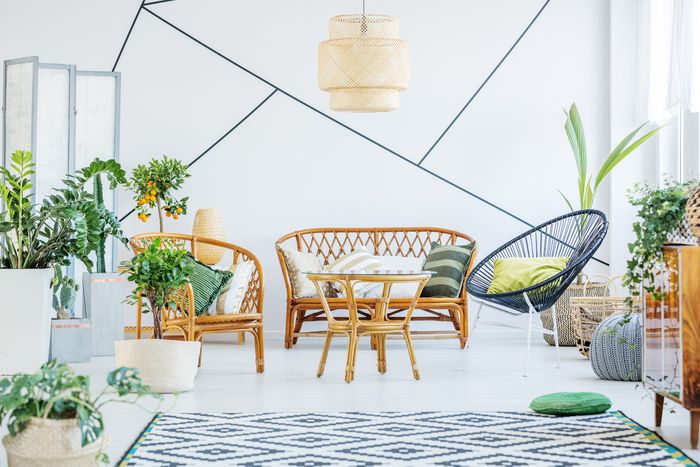
Credit: www.skaggsinc.com
Weather Resistance Of Indoor Furniture
Indoor furniture often lacks weather resistance for outdoor use. Exposure to rain and sun can damage materials like wood and fabric. Use outdoor-specific furniture to ensure durability and longevity in open-air environments.
When it comes to the weather resistance of indoor furniture, many people find themselves in a bit of a quandary. Can you really use indoor furniture outdoors? Sure, it’s tempting to drag that cozy armchair to the backyard for a summer evening, but how will it hold up when the weather changes? Understanding how indoor furniture reacts to outdoor conditions is crucial in making an informed decision. Here’s what you need to know before making that call.Understanding Material Limitations
Different furniture materials react differently to weather. Wood, for instance, can warp or crack under prolonged exposure to moisture. Fabrics used indoors are usually not treated for UV protection, which means they can fade quickly in sunlight. You might find your favorite plush sofa looking a bit tired after just a few weeks outside.Signs Of Weather Damage
Have you noticed discoloration on your favorite indoor chair after a few days on the patio? That’s the sun’s UV rays at work. Rust spots on metal components are another clear sign of weather damage. Keep an eye on these indicators to avoid permanent damage to your indoor furniture.Protective Measures You Can Take
There are ways to protect your indoor furniture if you decide to use it outside. Using covers is a simple yet effective method. Consider applying water-repellent treatments on fabric surfaces. Some people even choose to move furniture back indoors when not in use, especially during inclement weather.Is It Worth The Risk?
Ask yourself if the temporary joy of having your indoor furniture outdoors is worth the potential damage. Sometimes the cost of replacing or repairing damaged furniture exceeds the cost of buying outdoor furniture. Are you prepared to take that gamble?Alternatives To Consider
If you’re in love with the idea of indoor furniture outside, consider investing in pieces that are designed for both environments. Many manufacturers now offer versatile options that mimic the look and feel of indoor furniture. These pieces are designed to withstand the elements, giving you the best of both worlds. In your quest for the perfect outdoor setup, remember to weigh the risks and benefits. Your indoor furniture might look stunning on your patio, but understanding its limitations can save you from future disappointment.Material Suitability For Outdoor Use
When it comes to using indoor furniture outdoors, the suitability of materials is a crucial consideration. You might have a gorgeous couch that would look perfect on your patio. However, not all materials can withstand the elements. Understanding which materials are suitable for outdoor use will help you make informed decisions, ensuring your furniture stands the test of time.
Metal Furniture: A Durable Choice?
Metal furniture often makes a strong candidate for outdoor use due to its durability. Consider aluminum, which resists rust and can handle harsh weather. Steel furniture, while sturdy, may need a rust-resistant finish.
If you’ve ever left a steel chair outside during a rainstorm, you know it can quickly become a rusty eyesore. Choose wisely based on your local climate.
Wood: Can It Brave The Elements?
Wood furniture brings a natural charm to any outdoor space but not all woods are created equal. Teak and cedar are popular choices for outdoor use because they resist moisture and insects.
Regular maintenance like oiling teak can extend its lifespan significantly. Have you ever seen an old garden bench that looks like it’s been through a war? It’s likely made from untreated wood.
Plastic: Lightweight But Limited?
Plastic furniture is a lightweight option that can be great for outdoor settings. High-density polyethylene (HDPE) is a sturdy plastic that withstands sun exposure without fading.
However, not all plastic is created equal. Some cheap plastics can become brittle and break easily. Remember that time your plastic chair cracked after a hot summer day? It’s essential to invest in quality.
Upholstered Furniture: A Risky Bet?
Upholstered furniture can add comfort to your outdoor space but beware of fabric choice. Outdoor fabrics like Sunbrella are designed to resist fading and mildew.
If you’ve ever had to peel off a soggy cushion after a rain shower, you know how important waterproof fabric is. Choosing the right upholstery can save you future headaches.
Ultimately, the key to using indoor furniture outside lies in understanding the strengths and weaknesses of each material. Are you willing to invest in regular maintenance or should you opt for materials that require less care? Your answer will guide you in creating a stylish and durable outdoor space.
Maintenance And Protection Strategies
Indoor furniture faces challenges outdoors. Weather can damage it quickly. Protect pieces with covers or store them when not in use.
Using indoor furniture outside can add unique style to your garden or patio, but it comes with challenges. Maintenance and protection strategies are crucial for keeping your furniture looking fresh and functional. Here’s how you can ensure your indoor pieces stand up to the elements when used outdoors.Understanding Material Vulnerability
Different materials react differently to weather conditions. Wooden furniture, for example, might warp or rot if exposed to moisture for long periods. Fabric cushions could fade under the sun. Knowing your furniture’s material helps you strategize its protection. Can you imagine the horror of finding your beloved armchair faded and soggy after a rainy night?Applying Protective Coatings
A coat of protective sealant can work wonders. It can prevent water damage and sun bleaching. Consider using weather-resistant paint or varnish for wooden furniture. Have you ever tried using a water-repellent spray on fabric cushions? It might just save you from a morning of cleaning mildew.Using Covers And Storage Solutions
Investing in quality furniture covers can be a game-changer. Covers shield against rain, sun, and debris. They’re easy to use, and they extend your furniture’s lifespan. You could also store furniture indoors during extreme weather. Do you have a garage or shed space? It’s worth considering as a storage option.Regular Cleaning And Maintenance
Routine cleaning prevents build-up of dirt and grime. Use mild detergent and water for most surfaces. Imagine having friends over and realizing your outdoor sofa is covered in dust. Regular cleaning ensures your furniture is always guest-ready.Embracing The Seasons
Consider rotating your furniture use based on the season. Some pieces might fare better in spring than in winter. Could you alternate between different pieces depending on the weather? This can keep your setup fresh and functional all year round.Evaluating Long-term Use
Reflect on how often and for how long you’ll use your indoor furniture outside. Is it a temporary setup for a party or a permanent fixture in your garden? Understanding this helps balance the effort you put into maintenance and protection. After all, if you’re only using a chair outside for a weekend, you might not need a full-blown protection strategy. By addressing these aspects, you can keep your indoor furniture looking great outdoors, without the stress.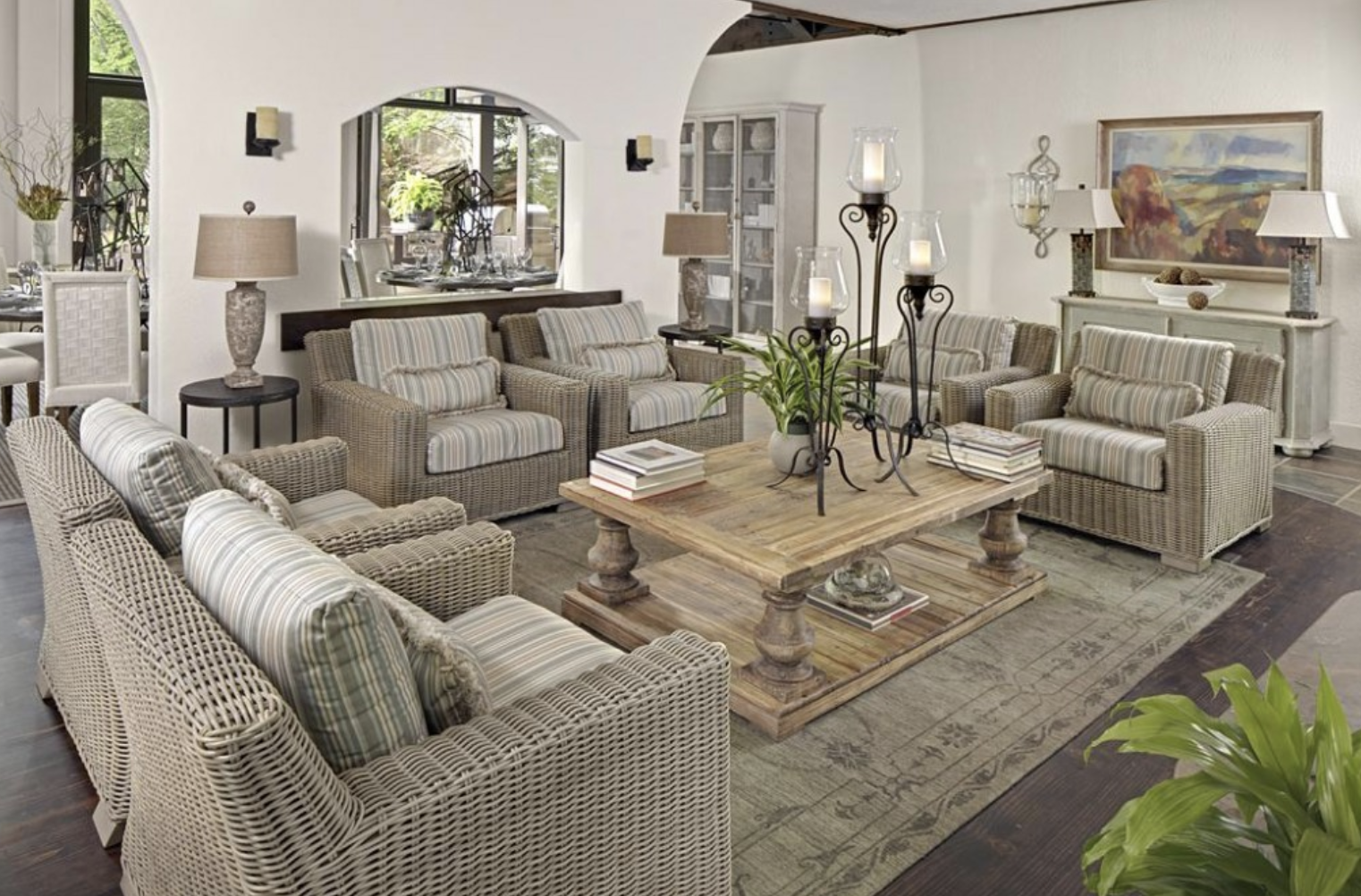
Credit: www.sunnilandpatio.com
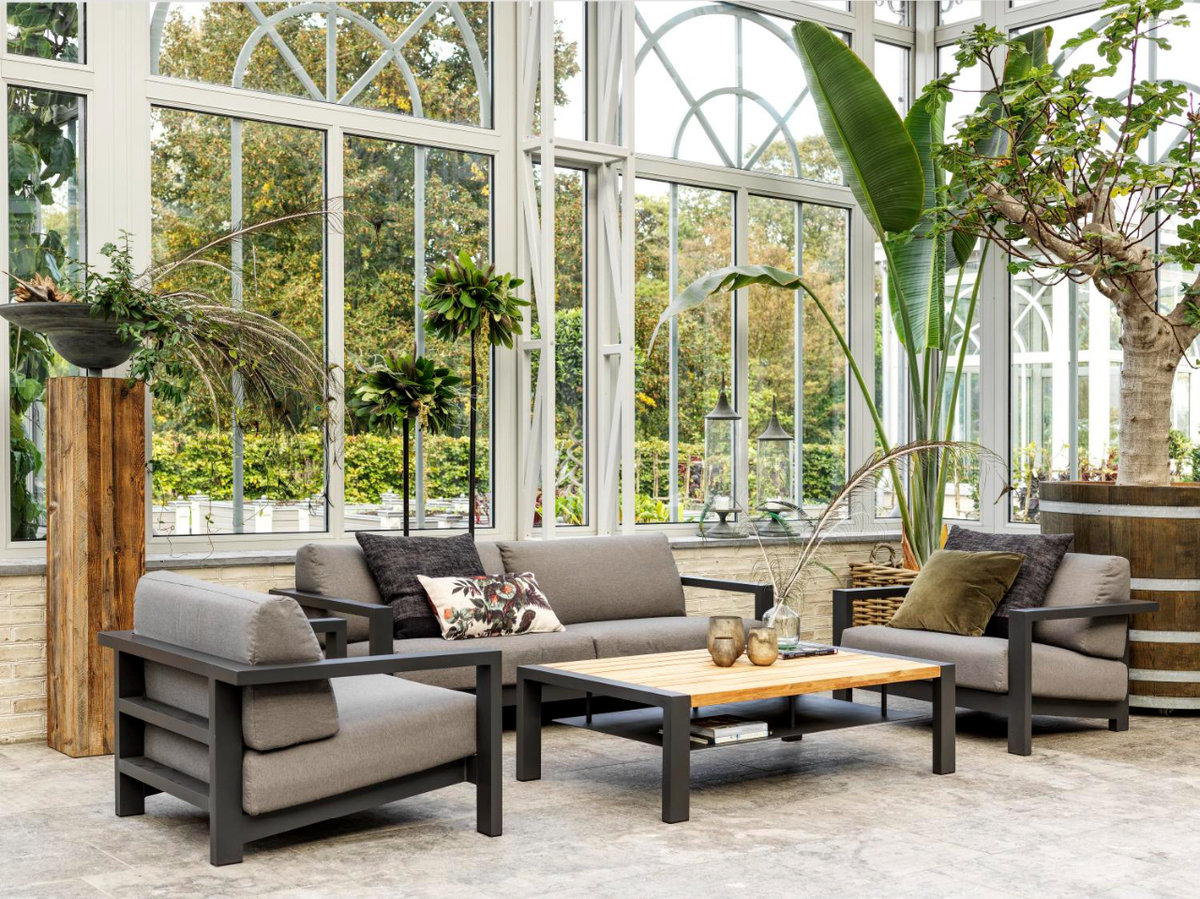
Credit: cottage-culture.ca
Conclusion
Deciding to use indoor furniture outdoors requires careful thought. Consider durability. Weather can damage indoor pieces. Protect them with covers. Choose sturdy materials. Wood or metal might work better outside. Think about comfort too. Outdoor cushions are weather-resistant. They last longer.
Style matters as well. Keep harmony with your garden design. Balance function with aesthetics. Regular maintenance is key. Clean and check for damage. Finally, weigh costs versus benefits. Sometimes, buying outdoor furniture is smarter. It saves time and money in the long run.
Always plan before moving indoor pieces outdoors. Make the best choice for your space.