
Most tumble dryers do not require plumbing to operate, but the answer depends on the type of dryer you own. Traditional vented tumble dryers rely on electricity and airflow, needing no water connection at all. However, condenser and heat pump dryers produce moisture during operation, and while they don’t need a water supply, some models offer optional drain hoses for automatic water removal.
Understanding these differences matters because improper installation or venting can lead to condensation, mold growth, or even fire hazards. This guide covers everything you need to know about whether your tumble dryer requires plumbing — including types, safety concerns, installation options, and real-world advice. For more on this, see our guide on how long do hair dryers under 50 last.
Types of Tumble Dryers and Plumbing Needs
There are three main types of tumble dryers available today: vented, condenser, and heat pump. Each handles moisture differently, which directly impacts whether plumbing plays a role.
Vented Dryers
Credit: inthewash.co.uk
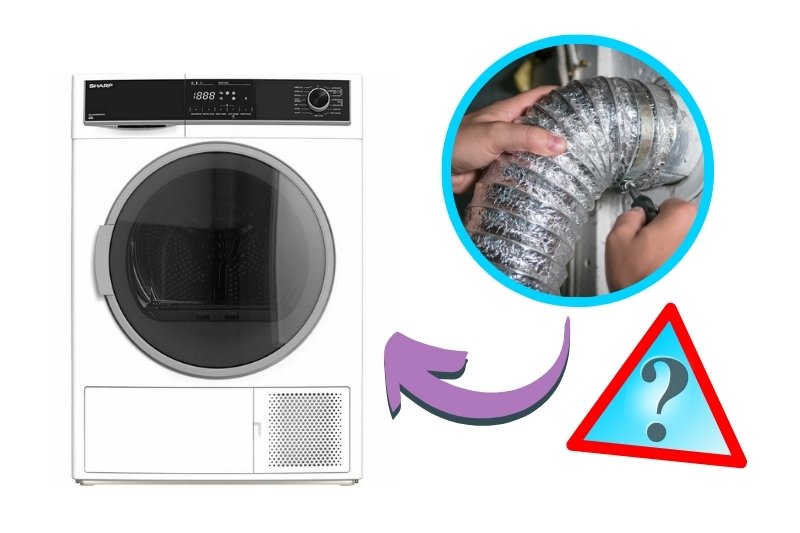
Vented dryers expel hot, moist air through a flexible duct hose to the outside. They require no internal reservoir or drain since moisture exits the machine entirely. No plumbing is needed beyond ensuring proper ventilation via an external wall or window. For more on this, see our guide on ionic vs ceramic hair dryers under 50.
These units are among the oldest, simplest designs still in production. Many older homes were built with dedicated venting ducts specifically for dryers. However, installing one in apartments or spaces without exterior walls often proves impractical due to airflow restrictions.
Key Takeaway: Vented dryers absolutely do not require plumbing connections.
Condenser Dryers
Condenser dryers collect water removed from clothing during the drying cycle into a removable tank. Some advanced models allow connecting a drain hose to route wastewater directly into a sink or floor drain — eliminating manual emptying. For more on this, see our guide on are hair dryers under 50 good for everyday.
In practice, many users treat condenser tanks similarly to coffee makers: filling them periodically rather than linking them permanently to plumbing. Yet for high-use households or commercial settings, adding a drain line improves convenience significantly.
Plumbing Insight: While not mandatory, condenser dryers benefit greatly from optional plumbing upgrades depending on usage frequency. For further reading, see lg.com.
Heat Pump Dryers
Heat pump dryers operate like condenser models but recycle thermal energy instead of exhausting it. This makes them far more energy-efficient — up to 50% savings compared to vented alternatives according to Energy.gov testing data.
Like condenser versions, they usually include built-in reservoirs or support for external drainage systems. Most newer models feature auto-sensing technology that adjusts runtime based on load size and fabric type.
Bottom Line: Optional plumbing is supported here too, though again, it’s not strictly necessary unless you’re running multiple cycles daily.
Why Some Dryers Seem to Require Plumbing
While most dryers don’t inherently demand plumbing, there’s confusion because certain features mimic plumbing-like functionality. Let’s break down what people commonly mistake for actual plumbing needs:
| Feature | Misinterpreted As | Reality |
|---|---|---|
| Moisture Removal | Requires Drain Connection | Reservoir Only; Drain Hose Is Optional |
| Ventilation Exhaust | Needs Gas Line or Water Supply | Air Ducting, Not Plumbing |
| Lint Filter Maintenance | Suggests Regular Cleaning Schedule | Manual Emptying / Replacement |
Many believe that because washing machines connect to both water lines and drains, dryers must follow suit. That assumption ignores fundamental design differences between heating-based drying methods versus rinse-and-spin cycles.
Benefits of Plumbing a Tumble Dryer (Where Possible)
If your model supports plumbing (such as having a drain hose port), doing so offers tangible advantages beyond mere convenience.
Automatic Water Disposal
Instead of manually checking and emptying the water reservoir after every load, plumbing allows continuous runoff into a household drain point. This cuts down maintenance time and prevents overflow risks when forgetting to check levels mid-cycle.
Reduced Mold Risk Indoors
Even well-maintained condenser or heat pump dryers trap humidity indoors temporarily. Connecting to a drain minimizes lingering dampness that could encourage bacterial growth or affect adjacent cabinetry over time.
Energy Efficiency Preservation
Modern heat pump dryers perform best when operating within controlled environments. Eliminating standing water reduces ambient humidity, helping compressors maintain stable temperatures longer without frequent defrost cycles.
Alternatives to Plumbing a Tumble Dryer
For renters, small apartments, or anyone lacking accessible plumbing points, several viable workarounds exist:
Standalone Units with Manual Tanks
Both condenser and heat pump dryers typically come equipped with detachable water containers. These hold anywhere from 2 to 6 liters depending on capacity and brand. Users simply remove and pour out contents after each cycle.
Portable Vent Kits
Some manufacturers sell retrofit kits allowing temporary exhaust paths via windows or sliding doors. Though less efficient than permanent installations, these provide adequate airflow for light-duty applications.
Hybrid Solutions
A hybrid approach combines reservoir collection with periodic draining. Run the dryer normally until full, then attach a short hose leading to the nearest floor drain or toilet bowl hookup for gravity-fed emptying.
How to Install Plumbing for Your Dryer (If Needed)
Not applicable to all models — only proceed if your manual explicitly states support for plumbing integration.
Tools Required:
- Adjustable wrench
- Garden hose adapter (if fitting standard PVC piping)
- Teflon tape
- Leveler (for positioning accuracy)
Steps Overview:
- Locate compatible drain outlet on rear panel or base of unit
- Attach manufacturer-provided or universal drain hose securely
- Route tubing toward closest plumbing access (sink, utility tub, or wall drain)
- Secure connections using clamps or threaded fittings
- Test by running brief cycle; observe leaks or slow drainage
Always double-check your owner’s manual first — attempting unauthorized modifications voids warranties and introduces safety liabilities.
Common Mistakes People Make With Dryer Plumbing
Based on field experience troubleshooting homeowner complaints, here are recurring pitfalls worth avoiding:
Confusing Ventilation With Plumbing
The #1 error involves mixing up exhaust ducting requirements with actual water systems. Vented dryers must expel air outside — preferably through rigid metal tubing rather than plastic flex pipes prone to clogging.
Forcing Incompatible Hardware
Attempting to retrofit non-plumbable models with improvised drainage solutions causes mechanical failure faster than expected. Always verify compatibility before purchasing accessories.
Neglecting Annual Cleaning
Lint buildup isn’t just about fire prevention — it also obstructs optimal airflow affecting drying performance regardless of plumbing status.
Frequently Asked Questions About Dryer Plumbing
Do All Tumble Dryers Need Plumbing?
No. Only select condenser and heat pump models offer optional plumbing integration. Standard vented dryers never require water line connections.
Can I Leave My Condenser Dryer Unplumbed?
Yes, provided you’re willing to empty its reservoir regularly. Most casual users prefer this method over permanent plumbing setups.
Is Plumbing Better Than a Reservoir System?
Plumbing eliminates repetitive tasks but adds complexity during setup. Choose based on lifestyle needs and available infrastructure.
What Happens If I Don’t Empty the Tank?
Left unchecked, reservoirs fill completely, triggering automatic shut-off mechanisms. Continued operation risks overheating or internal component damage.
Do Heat Pump Dryers Need More Upkeep Than Vented Ones?
They generate less lint overall due to lower operating temps, reducing filter cleaning frequency. Still, annual professional servicing remains wise.
Final Thoughts: Do Tumble Dryers Really Need Plumbing?
Most tumble dryers — especially vented ones — do not require plumbing. Their core mechanism relies on electric heating elements and controlled airflow, both independent of water networks.
That said, condenser and heat pump dryers present nuanced scenarios where optional plumbing enhances usability and longevity. Whether you plumb or stick with manual reservoirs depends largely on household size, space constraints, and personal preference.
Regular maintenance trumps plumbing decisions every time. Clean filters monthly, inspect exhaust hoses annually, and consult professional installers whenever uncertainty arises.
Choosing wisely ensures decades of reliable service — no unnecessary plumbing investments required.
Need further clarification on specific models? Browse our LG dryer diagnostic guides for detailed troubleshooting steps tailored to popular brands. For broader insights into appliance selection, explore our full blog archive covering everything from energy efficiency ratings to installation best practices.