
You need a plumber to install a sump pump if your project involves new electrical circuits, major plumbing rerouting, or if your local building codes require permits and inspections. However, many homeowners can successfully install a sump pump themselves if they're connecting to existing plumbing and electrical outlets.
The decision really comes down to three factors: your electrical setup, local code requirements, and your comfort level with basic plumbing. About 60% of sump pump installations can be DIY projects, according to the National Association of Plumbing-Heating Contractors. Let's walk through what each scenario looks like.
## do you need a plumber to install a sump pump
You do not always need a plumber to install a sump pump. You can install one yourself if you have existing plumbing and electrical connections nearby. However, you should hire a licensed plumber for complex installations involving new electrical circuits, major drainage modifications, or areas with strict local permit requirements.
Always check your local building codes first, as some jurisdictions require professional installation for any sump pump work. When in doubt, consult a professional to ensure proper function and code compliance.
What's Involved in Sump Pump Installation
Installing a sump pump involves several key components, each requiring attention to detail. The main parts include the sump basin (an 18 to 22-inch deep pit), the pump itself (typically 1/3 to 3/4 horsepower), a check valve to prevent backflow, and discharge piping.
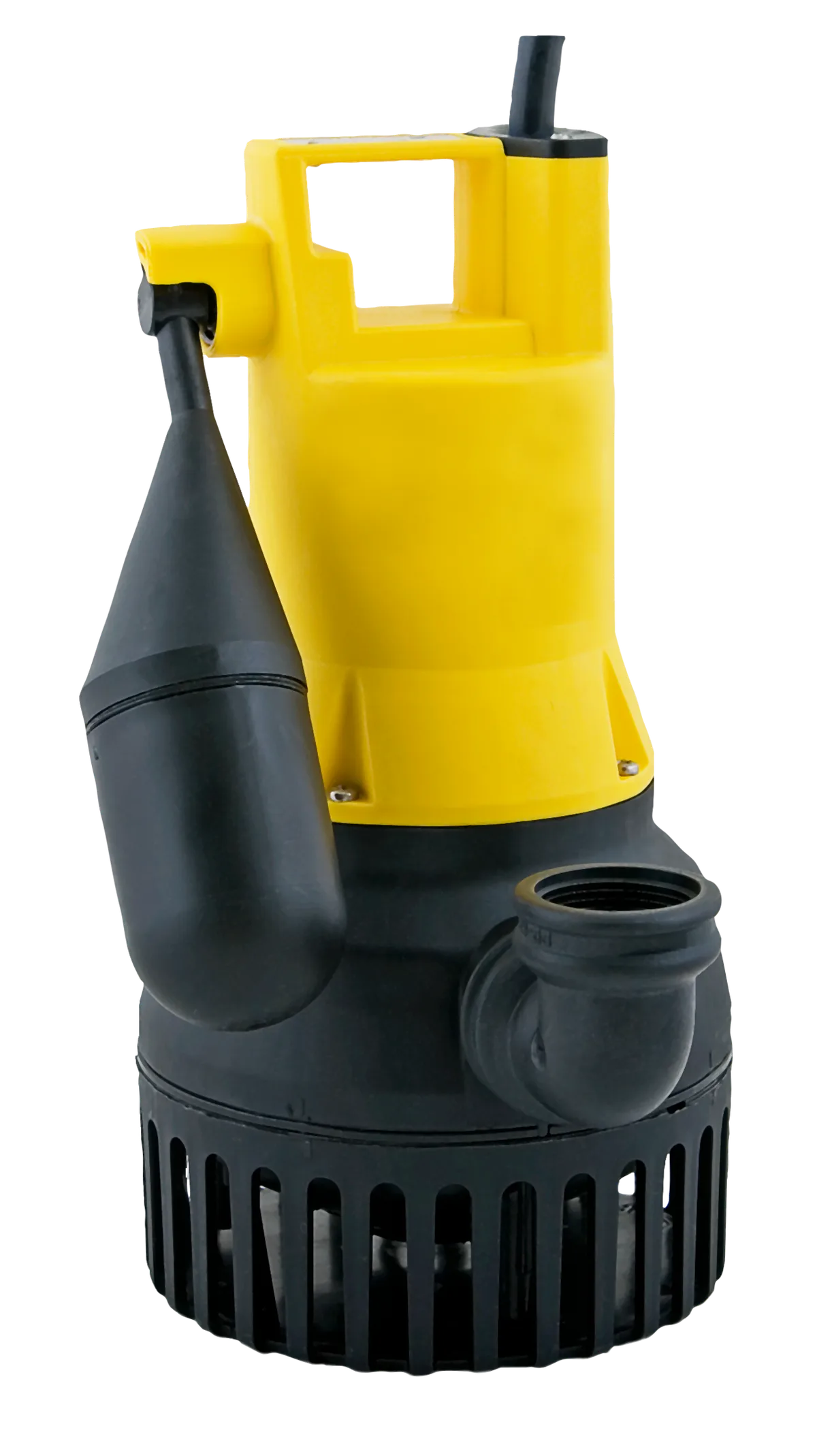
The process begins with excavating or identifying the lowest point in your basement or crawl space. You then position the basin below the floor level, connect the discharge pipe (usually 1.5 to 2 inches in diameter), and run electrical connections. Most residential installations use a 15 to 20 amp dedicated circuit, per National Electrical Code standards.
The check valve prevents water from flowing back into the pit after the pump shuts off. For DIY projects, you're mainly connecting components rather than creating new infrastructure.
Costs, Permits, and Legal Considerations
Professional sump pump installation costs range from $500 to $1,500 as of 2026. This includes labor, materials, and often permits. If you go the DIY route, expect to spend $100 to $400 on the pump unit alone, plus additional costs for piping and electrical supplies.
| Installation Type | Average Cost Range | Key Inclusions |
|-------------------|-------------------|----------------|
| Professional | $500 - $1,500 | Labor, permits, materials |
| DIY Basic | $100 - $400 | Pump unit, basic supplies |
| DIY Complex | $300 - $700 | Additional piping, electrical work |
Permit requirements vary significantly by location. Many municipalities require permits for sump pump installations, especially if new electrical work is involved. The International Residential Code (IRC) mandates that sump pits have accessible covers and proper drainage.
Check with your local building department before starting any work to avoid costly fines or rework.
Common Installation Mistakes to Avoid
Even experienced DIYers make critical errors during sump pump installation. Here are the most frequent mistakes that lead to system failure or code violations:
- Improper basin placement: The pump must sit at the lowest point to function effectively. Installing it too high defeats its purpose entirely.
- Missing or incorrectly installed check valve: Without this component, water flows back into the pit, causing the pump to cycle constantly and potentially burn out the motor.
- Inadequate electrical setup: Using extension cords or shared circuits creates fire hazards and violates electrical safety codes. The National Fire Protection Association specifically warns against temporary electrical connections for sump pumps.
- Discharge pipe issues: Running pipes without proper slope or discharging water too close to the foundation can cause flooding elsewhere.
- Ignoring local codes: Many areas require GFCI protection and dedicated circuits for sump pumps.
Frequently Asked Questions
Do you need a permit to install a sump pump yourself?
Yes, most jurisdictions require permits for sump pump installations. However, requirements vary widely by location. Check with your local building department before starting any work.
Some areas only require permits for new electrical circuits or structural modifications.
How much does it cost to install a sump pump?
Professional installation costs between $500 and $1,500 as of 2026. DIY installation costs range from $100 to $400 for basic setups. Complex installations involving new electrical work or extensive plumbing may push DIY costs higher.
Can I install a sump pump without plumbing experience?
Yes, if you have basic plumbing skills and existing connections. You'll need to connect the discharge pipe, install a check valve, and ensure proper electrical setup. Consider hiring a professional if your project involves major modifications or unfamiliar systems.
How long does a sump pump installation take?
DIY installation typically takes 4 to 8 hours for basic setups. Professional installation usually takes 2 to 4 hours. Complex installations involving concrete work or new electrical circuits may require multiple days.
What size sump pump do I need for my basement?
Pump size depends on your basement's square footage and expected water inflow. Most residential basements require 1/3 to 1/2 horsepower pumps. Larger basements or those in flood-prone areas may need 3/4 horsepower units.
Consult manufacturer specifications for guidance.