
Understanding how a sump pump impeller works starts with grasping a simple principle: rotating vanes push water outward and up through the discharge pipe. This is the core of every residential sump pump installed in basements across the U.S., with typical flow rates ranging from 2,000 GPH to over 6,000 GPH for higher-powered units as of 2026.
The key takeaway is that impeller design determines both efficiency and reliability. Knowing whether your pump uses a vortex or direct-drive impeller impacts everything from maintenance schedules to clog resistance, so let’s break down exactly how each component contributes to moving groundwater.
why visuals matter for understanding impeller mechanics
If you've ever tried to picture how water moves through a sump pump housing without a diagram, you know it's nearly impossible to visualize accurately. The impeller sits inside a spiral-shaped chamber called a volute, and as it spins, water gets trapped between the vanes and gets hurled outward by centrifugal force.
Here's what a cross-sectional view reveals:
- Water enters at the center (eye of the impeller)
- Rotating vanes scoop and accelerate it
- Centrifugal force throws water toward the outer edge
- The spiral volute casing converts velocity into pressure
- Pressurized water exits through the discharge pipe
This is why most reliable explanations include diagrams. Manufacturer specifications show that impeller diameter typically ranges from 2 inches to 6 inches depending on horsepower, while rotational speeds vary between 1,750 to 3,450 RPM. Understanding this flow path helps explain why blockages at the intake grate or discharge check valve can render even a powerful pump ineffective.
the step-by-step process of water movement
When your sump pit fills with groundwater, the float switch activates the motor, which spins the impeller at high speed. As the impeller rotates, its curved vanes create pockets of low pressure at the inlet, drawing water in axially. Once inside, centrifugal force pushes the water radially outward, increasing its kinetic energy as it travels from the hub to the tip of each blade.
The water then enters the volute casing, where the decreasing cross-sectional area of the spiral channel gradually slows the flow down. This deceleration converts kinetic energy into pressure energy, which is essential for pushing water up and out through the discharge pipe. According to engineering standards, this conversion efficiency typically ranges between 60% to 80% depending on the impeller design and operating conditions.
Most residential systems rely on either single-stage or two-stage pumping mechanisms. Single-stage pumps use one impeller to both lift and discharge water, making them simpler but less efficient than two-stage designs where a secondary impeller boosts final outlet pressure.
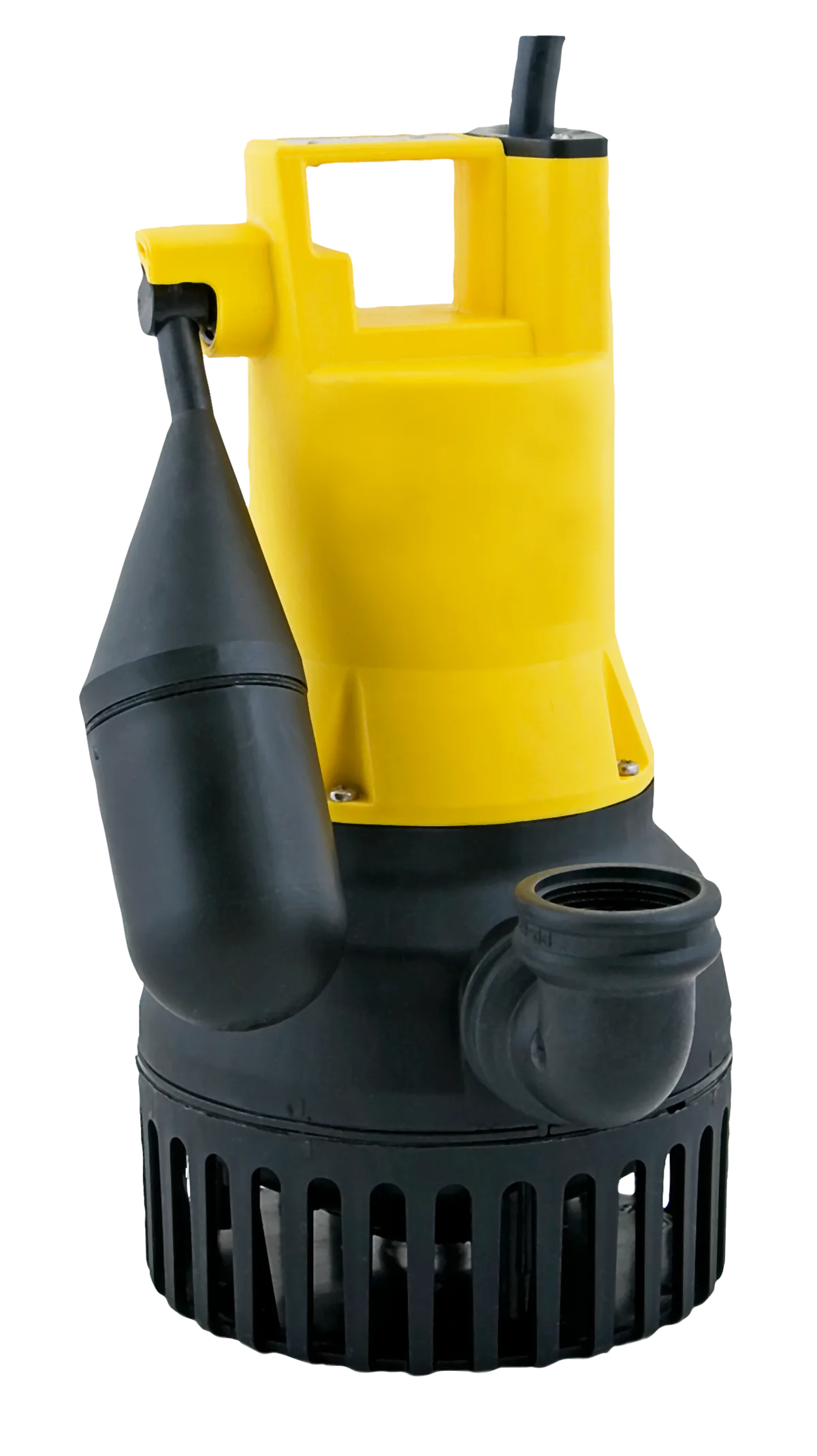
impeller types and their distinct characteristics
There are three main impeller configurations used in residential sump pumps today. Each design trades off efficiency against clog resistance and maintenance requirements.
| Impeller Type | Best For | Clog Resistance | Efficiency |
|---|---|---|---|
| Vortex | Debris-heavy environments | High | Moderate |
| Semi-open | Standard household use | Medium | High |
| Enclosed | Clean water applications | Low | Very high |
Vortex impellers work by creating a whirlpool effect that lifts water without direct contact between the impeller and the pumped fluid. This design excels in areas prone to leaves, sand, or other debris since there are no delicate vanes to clog. However, they tend to consume more energy compared to enclosed alternatives due to increased turbulence.
Semi-open impellers feature exposed vanes that allow some solid particles to pass through while maintaining good hydraulic performance. These represent the sweet spot for most homeowners who want balanced capability without sacrificing too much efficiency under normal operating conditions.
Enclosed impellers provide maximum efficiency but require cleaner water supplies to function optimally. They're commonly found in newer high-end models designed for clean water drainage scenarios where peak performance matters more than rugged durability.
common mistakes that undermine system performance
One mistake we see frequently during research involves improper installation of the check valve. Without proper orientation, marked clearly with flow-direction arrows, water backflows continuously, causing excessive wear on the impeller and short-cycling of the pump motor. Always verify that the check valve sits vertically in line with your discharge pipe before securing connections.
Another critical error involves neglecting routine maintenance schedules. Sediment buildup around the impeller housing reduces clearance gaps and increases friction losses. We recommend quarterly inspections involving shutdown, basin cleaning, and visual examination of impeller movement for signs of corrosion or binding.
Especially in older units, mineral deposits from hard water can accumulate rapidly unless addressed proactively.
Installing an undersized pump relative to expected inflow volumes also leads to premature failure. If your local climate receives heavy seasonal rains exceeding 4 inches annually, opting for a 3/4 HP unit instead of standard 1/3 HP models prevents burnout during peak demand periods. Verify your home's specific needs based on basement square footage and historical precipitation data rather than defaulting to entry-level options.
sump pump impeller FAQ
what happens if the impeller stops spinning?
If the impeller seize up, the pump motor will either overheat and shut down via thermal overload protection, or burn out completely if that safeguard fails. You'll likely hear loud grinding noises before total failure occurs.
how often should I clean my impeller?
Inspect your impeller quarterly during peak usage months, removing any debris caught in the vanes. Annually during spring cleaning, perform a full disassembly check to remove sediment buildup that may reduce efficiency.
can I replace an impeller myself?
Yes, impeller replacement typically costs under $20 and takes about 30 minutes once you've isolated power and drained residual water from the pump housing. Consult your model's service manual for specific disassembly instructions.
what noise indicates impeller problems?
Grinding or scraping sounds usually indicate foreign objects jamming the impeller, while humming without water flow suggests electrical issues preventing startup rotation. Both warrant immediate attention to prevent permanent damage.