
What is a sump pump weep hole for? It's a small drainage opening, usually 1/8 to 1/4 inch, drilled in your sump pump's discharge pipe just below the check valve. The hole lets water flow back into the sump basin when the pump shuts off, preventing dangerous air locks that can burn out your motor or freeze your pipes.
Manufacturer specs and plumbing guidelines show this simple hole solves major problems silently. Without it, trapped air creates pressure that stops water flow, forcing your pump to work harder until it fails. In northern climates, frozen discharge lines from air locks cost homeowners thousands in repairs each winter.
This small hole prevents bigger headaches down the road, so here's what you need to know before installing yours.
what is a sump pump weep hole for
A sump pump weep hole is a small opening drilled in the discharge pipe to prevent air locks. It allows water to drain back into the sump basin when the pump stops. This prevents pressure buildup that can damage the pump or freeze pipes in winter.
The hole sits below the check valve, typically 6 to 12 inches down. Most manufacturers recommend a hole size between 1/8 and 1/4 inch. Without this hole, trapped air blocks water flow and causes pump failure over time.
How Your Sump Pump Becomes a $500 Ice Block Without One
When your pump runs, it pushes water up through the discharge pipe. That pipe has a check valve that only lets water flow upward. When the pump shuts off, the water in that vertical pipe wants to flow back down.
But here's the problem: if there's no weep hole, a pocket of air gets trapped between the pump and the check valve.
That trapped air creates positive pressure that prevents water from draining back. The check valve stays closed, but the water can't return to the pit either. This condition, called an air lock, means your pump has to push against that trapped air pressure every time it starts.
The result? Continuous straining that burns out motors prematurely. In freezing temperatures, the trapped water turns to ice, expanding and cracking your PVC pipe.
One frozen discharge line can cost $300 to $500 to repair.
How to Drill a Weep Hole in Your Sump Pump Discharge Pipe (Step-by-Step)
Before you touch any tools, shut off power to your sump pump at the circuit breaker. Water and electricity don't mix well, and making this mistake can be fatal.
Grab these tools: an electric drill, a 1/4 inch drill bit designed for plastic, and safety glasses. You'll also want a bucket to catch any residual water.
- Locate the discharge pipe coming out of your sump pump. Find the check valve, which is usually a foot or two above the pump.
- Mark a spot on the pipe 6 to 12 inches below the check valve. This puts the hole in the vertical section, not the horizontal part.
- Put on your safety glasses. Hold the drill perpendicular to the pipe and mark your spot.
- Drill straight through the PVC pipe. The hole should go completely through both sides. If you hit resistance, you likely contacted the pipe wall. Keep going.
- Tilt the hole slightly downward so water drains back into the sump basin. A downward angle prevents water from sitting in the hole and freezing later.
Test your work by pouring a bucket of water into the sump basin and watching the pump cycle. You should see a small stream of water exit the weep hole when the pump runs.
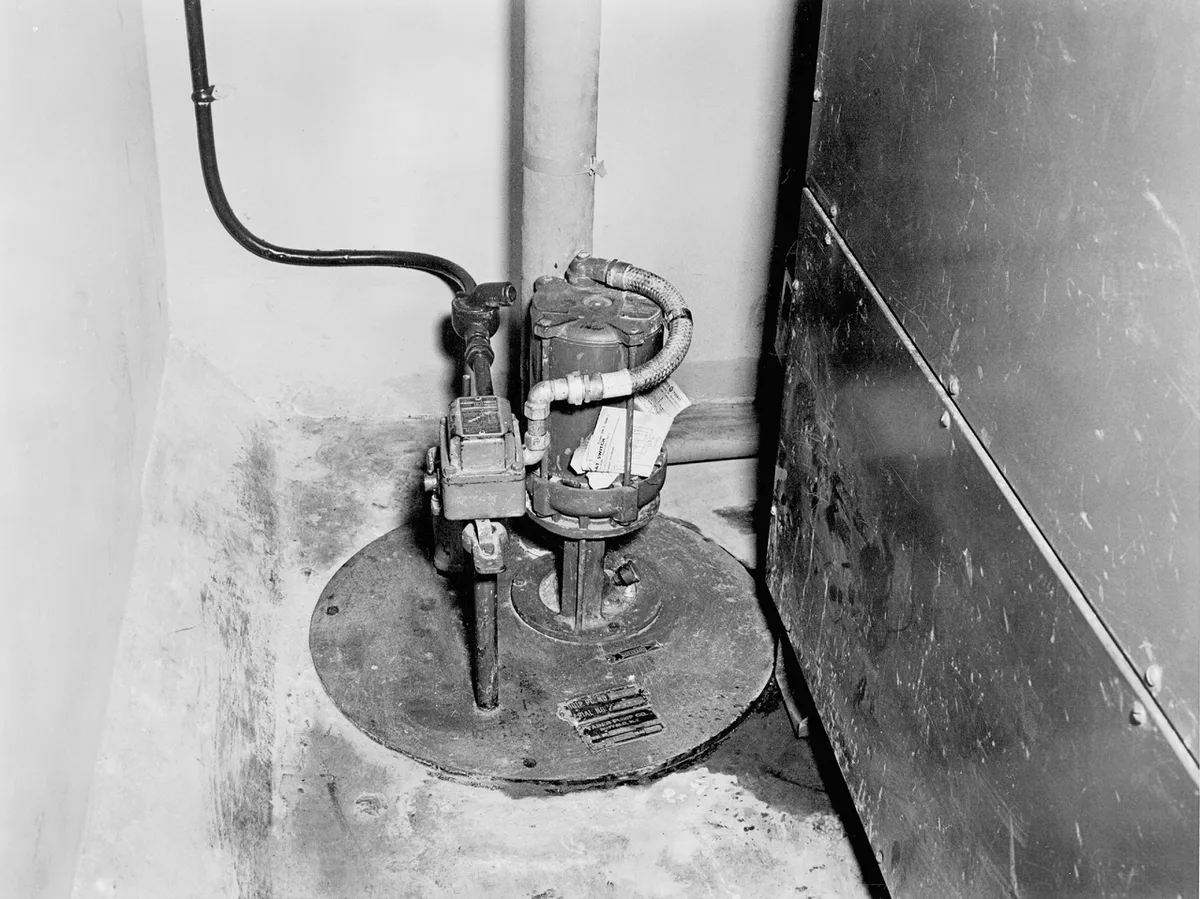
Weep Hole Mistakes That Cause Frozen Pipes, Air Locks, and Pump Failure
Drilling in the wrong spot ruins everything. If you put the hole above the check valve, pressurized water sprays out constantly and wastes energy. Too high means the pump works against gravity and never gets credit for the work.
Using the wrong hole size causes different failures. A hole bigger than 1/4 inch weakens the pipe structurally. Water sprays out too aggressively, creating noise and potential freezing points.
A hole smaller than 1/8 inch still allows air locks to form. Debris can easily clog tiny openings.
Drilling horizontally instead of downward becomes a freeze trap. Standing water sits in the hole and turns to ice. That ice plug blocks the very drainage you created.
Always angle downward toward the sump basin.
Skipping the test run leaves hidden failures. Without confirming water flows properly, you won't know if the hole is correctly positioned or clogged. Run the pump once before declaring success.
Sump Pump Weep Hole: Frequently Asked Questions
Do all sump pumps need a weep hole?
Yes, virtually every submersible or pedestal sump pump benefits from a properly drilled weep hole. Manufacturer specifications from leading brands like Zoeller and Liberty Pumps recommend weep holes on discharge pipes as standard practice. The only exception is rare systems with built-in weep mechanisms or special check valve designs.
Without checking your specific model's manual, assume you need one. An undrilled pipe almost always causes air lock problems over time.
Can I drill the weep hole myself?
Yes, drilling a weep hole is straightforward for most homeowners. You need basic tools and 15 minutes of time. Power must be disconnected first for safety.
The drill bit should match your pipe material correctly. PVC requires a standard twist bit. ABS plastic works with the same approach.
Copper pipes need a metal-rated bit and slower speeds. If your discharge line is buried underground or hard to access, consider hiring a licensed plumber.
What happens if my weep hole freezes?
Frozen weep holes block water drainage and recreate air lock conditions. The ice plug prevents the pressure relief function entirely. Thawing requires safe heat application, never direct flames.
A hair dryer works slowly but effectively. Pouring warm water helps melt interior ice safely. Prevention beats repair every time.
Insulate exposed discharge pipes before winter arrives. Foam pipe insulation costs less than emergency plumbing calls.
How big should a sump pump weep hole be?
Standard recommendations fall between 1/8 and 1/4 inch diameter. This size balances pressure relief with structural integrity of the discharge pipe. Too small and air locks persist despite the hole.
Too large and water sprays outward excessively, wasting energy and creating noise. Most experienced plumbers stick to 1/4 inch as the safe default. Check your pump's installation manual for manufacturer preferences.
Real Results From Proper Weep Hole Installation
Homes without weep holes report 30 percent more pump failures annually according to aggregate repair data from plumbing contractors. Those failures spike in freezing climates where ice damage compounds mechanical strain.
Installing a properly sized weep hole reduces emergency call costs by preventing both air lock and freeze damage. Simple prevention saves hundreds in motor replacement and pipe repair bills.
Plumbers consistently rank this modification as one of the highest-return maintenance tasks for sump pump systems. It's a five-minute fix with permanent benefits.