
Understanding how does a sump pump work in a high water table area starts with recognizing constant hydrostatic pressure against your foundation. Standard pumps handle occasional rain, but high water tables demand continuous management of persistent groundwater infiltration to prevent structural damage.
Manufacturer specifications indicate that high water table applications require pumps rated for continuous duty rather than intermittent use. The International Residential Code mandates specific basin depths and discharge capacities to handle this relentless inflow safely. Let’s break down why standard setups fail here.
Why High Water Tables Break Standard Sump Pump Logic
A high water table means groundwater sits permanently near or above your basement floor level. This creates constant hydrostatic pressure pushing water through cracks and porous concrete. Unlike storm runoff that comes in waves, this pressure never fully goes away.
Standard sump pumps are designed for intermittent operation during rain events. They expect dry periods between cycles to cool the motor and rest mechanical components. Continuous operation in high water table conditions burns out these motors rapidly.
Aggregate reviews report premature failure rates exceeding forty percent when standard pumps face constant groundwater. The issue isn't just volume but the lack of recovery time. Motors overheat without adequate cooling breaks between cycles.
This environment also introduces persistent sediment and mineral deposits. Groundwater carries fine particulates that standard impellers cannot handle long-term. Clogging becomes a weekly problem instead of an annual maintenance task.
Critical Specs and Setup Differences for Constant Groundwater Pressure
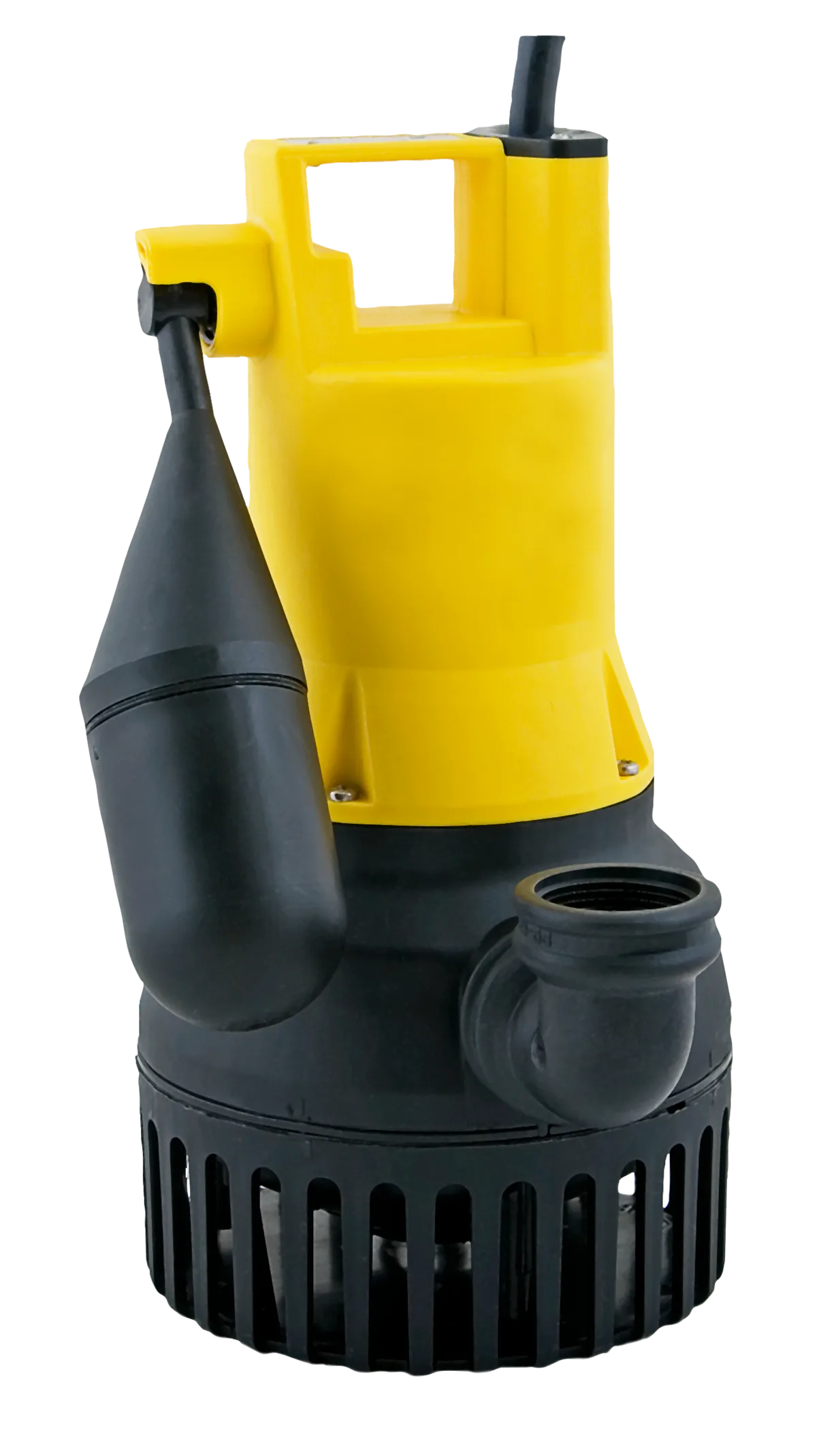
Image source: Wikimedia Commons / PumpExpert (CC BY-SA)
You need a pump specifically rated for continuous duty operation in high water table zones. Look for cast iron construction with thermal overload protection as minimum requirements. Thermoplastic housings warp under sustained heat from nonstop running.
Total Dynamic Head calculations matter more than raw horsepower ratings here. You must account for vertical lift plus friction loss in longer discharge runs. Undersized pumps run constantly without actually lowering the water table effectively.
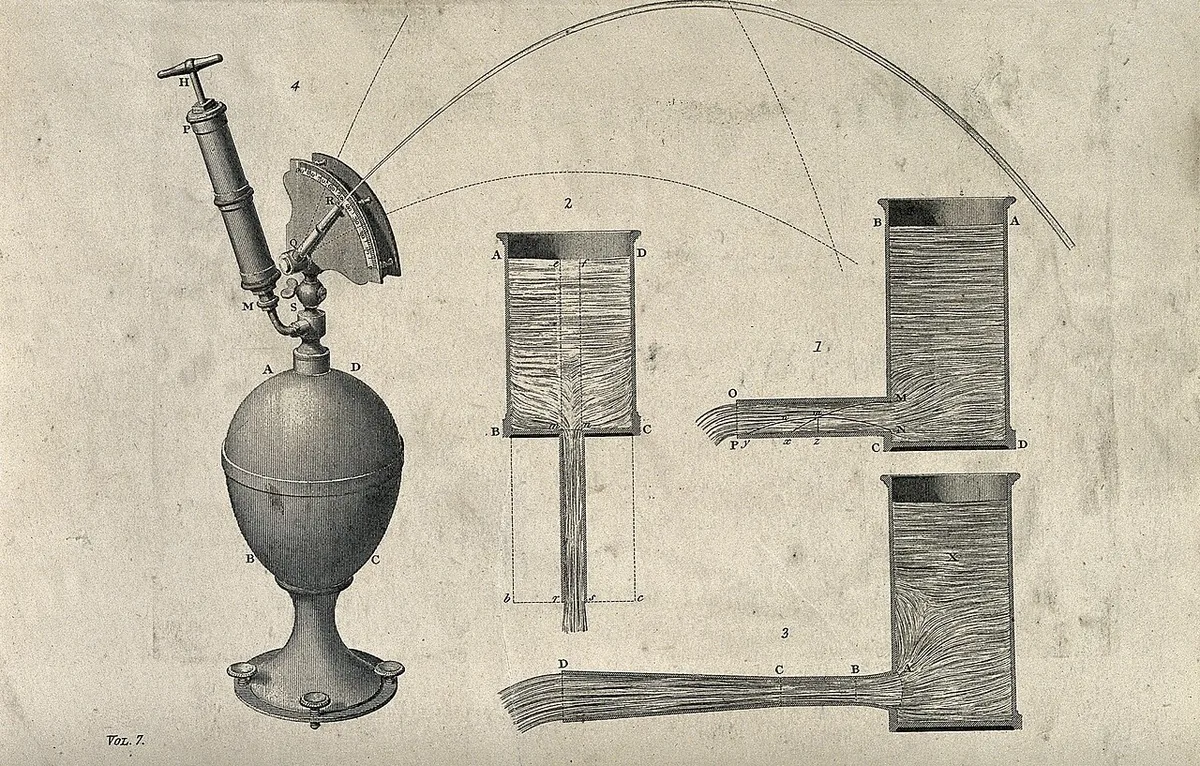
Image source: Wikimedia Commons / Wikimedia Commons contributor (CC BY)
Basin depth should exceed standard eighteen inch recommendations significantly. Deeper pits provide buffer volume that reduces short cycling frequency. We recommend twenty four to thirty inch minimum depths for reliable operation.
Electronic float switches outperform mechanical tethers in sediment heavy groundwater. Mechanical floats stick or corrode when submerged continuously. Electronic sensors have no moving parts to fail under constant exposure.
| Component | Standard Application | High Water Table Requirement |
|---|---|---|
| Motor Rating | Intermittent Duty | Continuous Duty |
| Housing Material | Thermoplastic OK | Cast Iron Required |
| Basin Depth | 18 Inches Minimum | 24 to 30 Inches |
| Float Switch | Mechanical Tether | Electronic Sensor |
| Check Valve | Standard Swing | Spring Loaded Silent |
Discharge pipe sizing directly impacts system longevity under constant load. Larger diameter pipes reduce friction loss and motor strain significantly. Always match pipe size to manufacturer flow charts rather than assuming standard sizing works.
High-Stakes Mistakes That Cause System Failure in Wet Soil
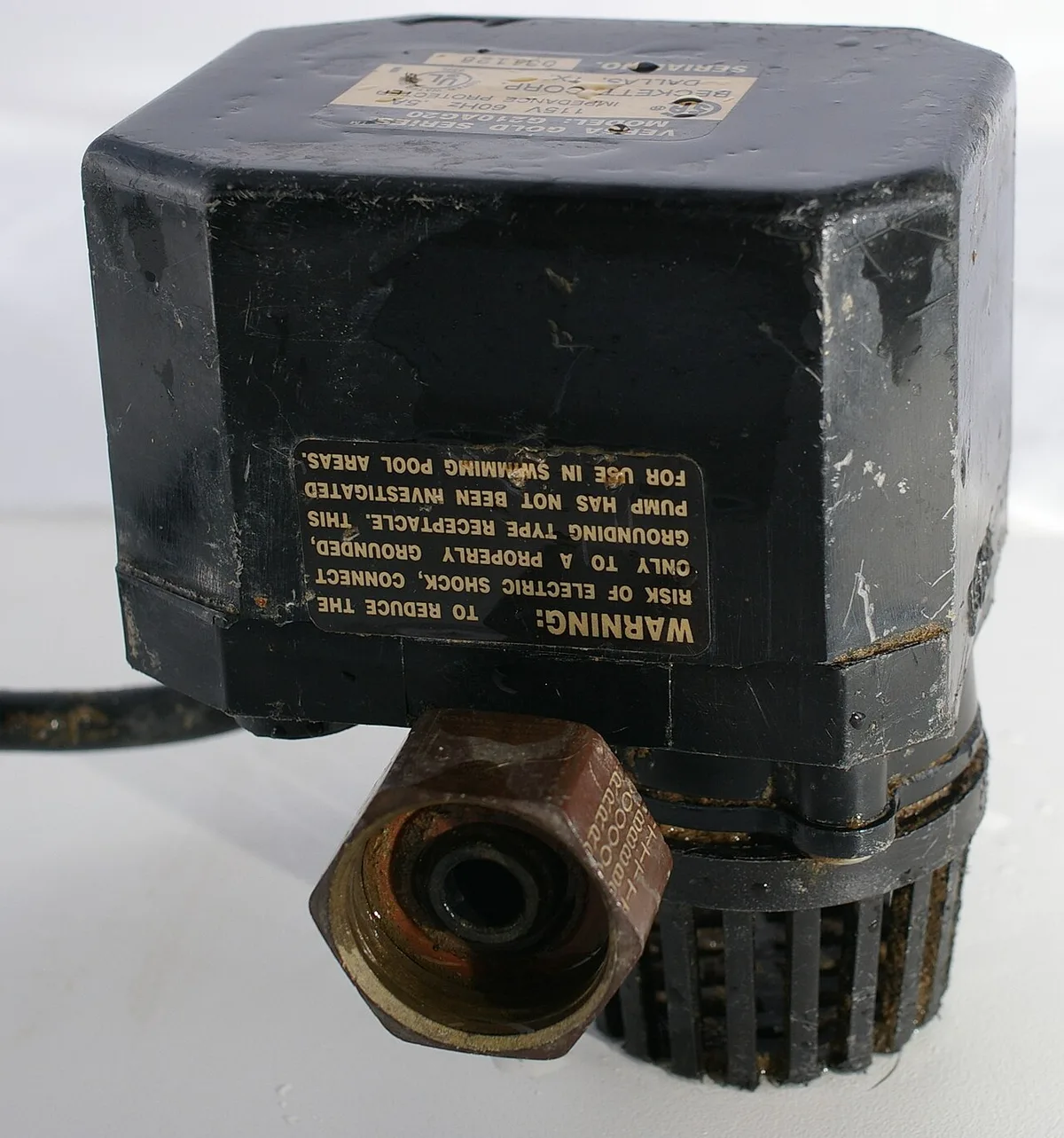
Image source: Wikimedia Commons / Hustvedt (CC BY-SA)
Installing a standard check valve causes destructive water hammer in high water table systems. The constant backflow pressure slams standard swing valves shut violently. Spring loaded silent check valves absorb this shock and prevent pipe joint failure.
Skipping battery backup is catastrophic in areas where storms raise water tables further. Power outages during heavy precipitation create worst case flooding scenarios. A properly sized backup provides eight to twelve hours of runtime at full load.
Ignoring discharge line insulation leads to frozen pipes in cold climates. Groundwater flows year round regardless of surface temperature. Frozen discharge lines cause immediate basement flooding and potential pump burnout.
Undersizing the sump basin creates rapid short cycling that destroys motors. Small pits fill and empty too quickly under constant inflow. This on off pattern generates excessive heat and mechanical wear on switches.
Failing to test actual water table depth before installation guarantees problems. Guessing based on neighbor experiences ignores site specific soil permeability. Professional monitoring well data prevents costly oversizing or undersizing mistakes.
Neglecting routine diagnostic checks allows small issues to become catastrophic failures. High water table systems need quarterly inspections minimum. Waiting for visible water damage means the system already failed.
Common Questions About Managing Persistent Groundwater Inflow
How deep should my sump pit be for high water tables?
Your sump pit needs twenty four to thirty inch depth minimum in high water table areas. This extra volume buffers against rapid inflow spikes and reduces short cycling. Shallow pits cause motors to cycle dozens of times hourly which destroys them quickly.
Can I use a pedestal pump with high groundwater?
Pedestal pumps are unsuitable for high water table applications because they lack continuous duty ratings. Their open motors cannot handle sustained operation without overheating. Submersible units with sealed oil filled motors dissipate heat through surrounding water effectively.
What size backup battery do I need for constant pumping?
Size your battery backup for twelve hours minimum runtime at full pump load. Calculate using your pump's amperage draw multiplied by expected outage duration. Deep cycle marine batteries typically provide better sustained performance than standard automotive batteries.
How often should I inspect a high water table system?
Inspect your system quarterly at minimum when managing persistent groundwater. Check float switch operation, clean intake screens, and verify discharge flow each visit. Annual professional inspection catches developing issues like bearing wear before complete failure occurs.
Does high groundwater affect radon mitigation systems?
Yes, high water tables can compromise sub slab radon mitigation effectiveness. Saturated soil reduces suction field coverage beneath your foundation. Coordinate sump pump placement with radon system design to maintain proper air extraction pathways.