
Understanding how does an outdoor sump pump work starts with seeing it as a simple gravity-fed collection system. Water flows naturally into a buried basin where a mechanical switch triggers removal before flooding occurs. This exterior setup intercepts groundwater before it ever reaches your foundation walls.
Manufacturer specifications indicate most residential units handle 2,000 to 4,000 gallons per hour at a 10-foot head pressure. The International Residential Code requires discharge points to terminate away from foundations to prevent recirculation. Let’s break down the physical components that make this automatic cycle possible.
How Does an Outdoor Sump Pump Work
An outdoor sump pump collects groundwater in a buried basin. A float switch activates the motor when water rises. The impeller pushes water through a discharge pipe.
Gravity and check valves prevent backflow into the pit.
Key Components You Need to Visualize Before Installing or Repairing
You cannot troubleshoot what you cannot picture. An exterior drainage system relies on four distinct physical parts working in sequence. Missing one element usually leads to premature failure or flooding during heavy rain events.
The sump basin acts as the primary collection vessel. Perforated liners allow groundwater entry while keeping out large debris. Most residential basins measure 18 to 24 inches in diameter.
They must sit below the local frost line to prevent cracking.
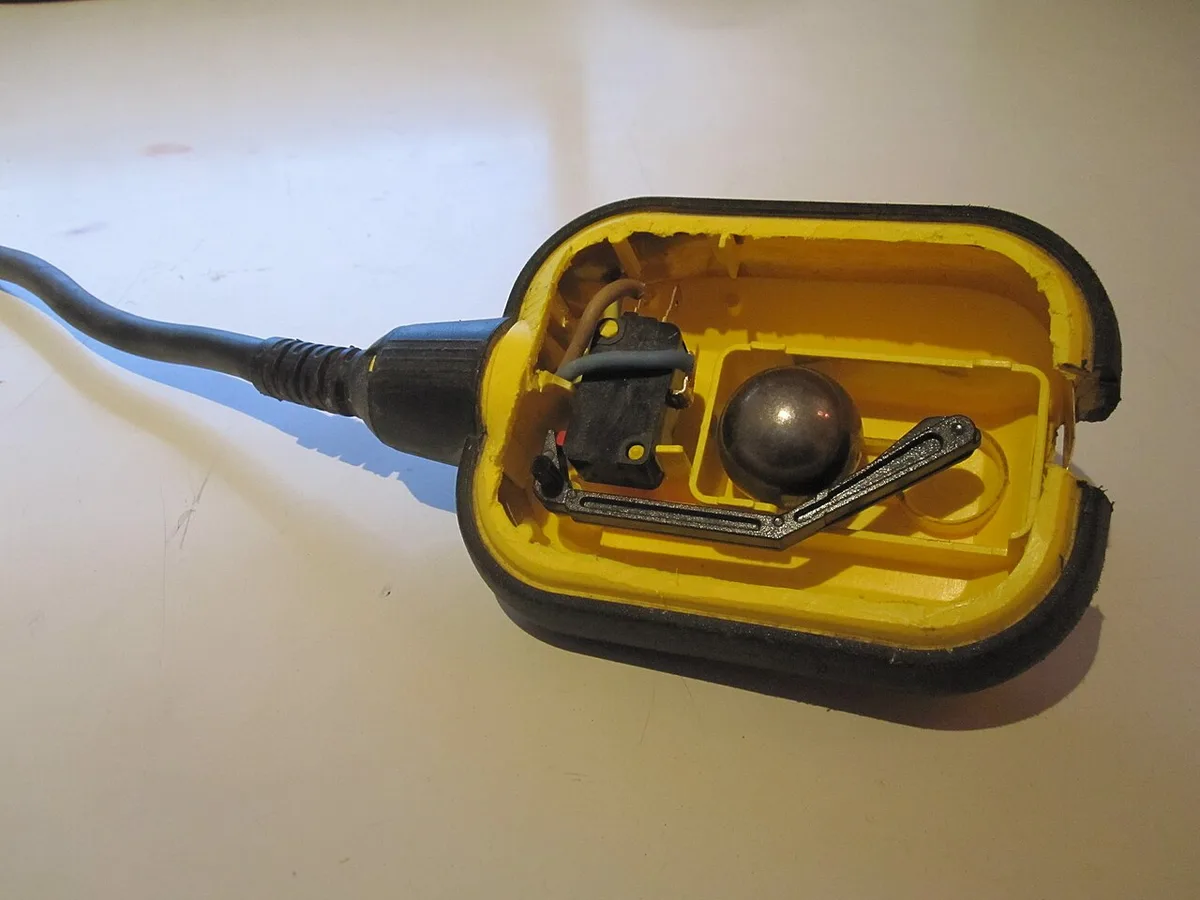
Image source: Wikimedia Commons / Martin Meise (CC BY)
The float switch serves as the brain of the operation. Mechanical tethered floats are most common for outdoor pits. Electronic sensors offer precision but clog easily in dirty yard water.
Proper calibration prevents short cycling that burns out motors.
Submersible pumps sit directly inside the basin. Cast iron housings dissipate heat better than plastic in continuous duty cycles. The intake screen filters gravel and roots before they reach the impeller.
Always verify solid handling capacity matches your soil conditions.
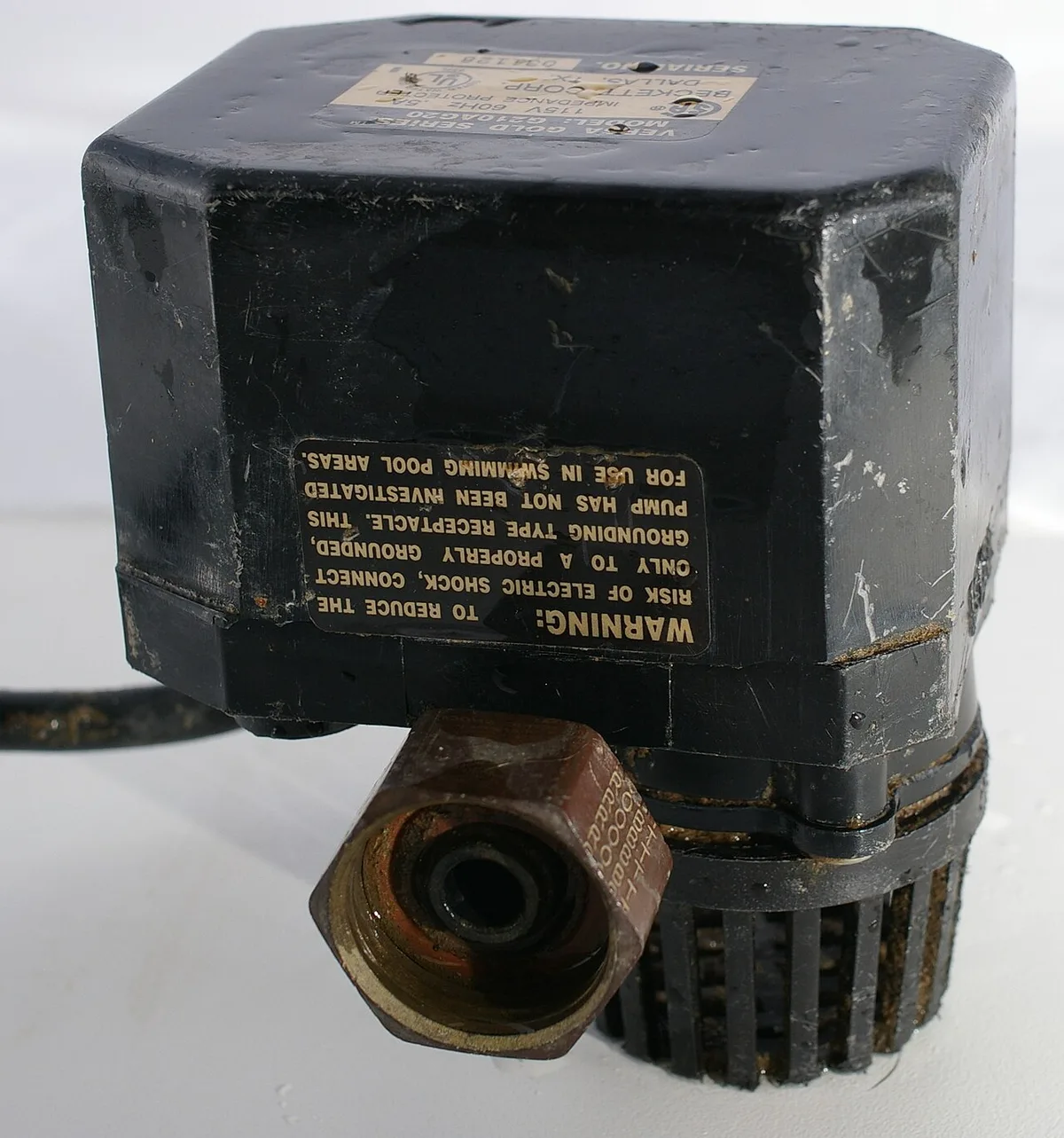
Image source: Wikimedia Commons / Hustvedt (CC BY-SA)
Discharge piping carries water away from the property. A check valve prevents backflow when the pump shuts off. Without it, water returns to the basin and triggers immediate restarts.
This rapid cycling destroys switches and capacitors quickly.
Critical Installation Details That Prevent Frozen Lines and Burned-Out Motors
Proper placement matters more than horsepower ratings. We have seen perfectly good pumps fail because installers ignored basic site conditions. Getting these details right ensures reliable operation during storms and freezing weather.
Basin depth must account for regional freeze cycles. Northern climates require burial depths exceeding 60 inches in some zones. Shallow installations risk cracked liners and frozen intakes.
Consult local building codes for exact frost line requirements.
Discharge lines need consistent downward slope after the check valve. A minimum pitch of 1/8 inch per foot prevents standing water. Trapped liquid freezes solid and blocks flow entirely.
Burying the pipe below frost depth adds insurance against ice blockages.
Electrical safety is non-negotiable for wet locations. National Electrical Code Article 680 mandates GFCI protection for all outdoor pump circuits. Weatherproof enclosures protect connections from moisture intrusion.
Never use standard indoor outlets for exterior drainage equipment.
Avoid placing basins near tree root systems. Roots infiltrate perforations and clog intake screens over time. Maintain clearance equal to the mature canopy drip line.
Root barriers provide additional protection in heavily landscaped yards.
Test the system before backfilling the excavation. Pour water into the basin to verify float activation height. Confirm discharge terminates at an approved location away from structures.
Catch small problems now rather than during the next deluge.
Outdoor Sump Pump FAQs: Winterizing, Sizing, and Legal Discharge Rules
Can I run my outdoor sump pump in winter?
Yes, but only if the discharge line stays unfrozen. Buried pipes below the frost line remain functional year-round. Above-ground sections need heat tape or insulation wraps.
Unplug the unit if the outlet freezes solid to prevent motor damage.
What size pump do I need for yard drainage?
Most yards require a 1/3 HP or 1/2 HP submersible model. Calculate total vertical lift plus horizontal friction loss first. Oversized pumps short cycle and wear out faster.
Match flow rate to your actual watershed volume.
Where can I legally discharge sump pump water?
Direct discharge into sanitary sewers is illegal in most municipalities. Storm drains may be permitted with approval. Daylighting to a swale or dry well is typically safest.
Check local EPA stormwater guidelines before connecting any pipe.
Why does my outdoor pump keep running continuously?
Stuck float switches cause most non-stop operation issues. Debris wedged under the arm prevents shutoff. Check valve failure also allows backflow retriggering.
Clean the mechanism and test manually before replacing parts.
How often should I clean the basin?
Inspect and remove debris every spring and fall. Silt accumulation reduces effective basin volume significantly. Flush perforations with a garden hose to restore inflow.
Annual maintenance extends pump lifespan by several years according to aggregate service reports.