
Knowing how high can a sump pump lift water isn't just trivia, it matters when your basement starts taking on water during a storm. If your pump can't push water high enough to clear your discharge pipe, you're looking at a flooded floor fast. That's why understanding lift height, also called total dynamic head, is critical before you install or replace a pump.
In our research, we found that most residential sump pumps handle between 10 and 25 feet of vertical lift. The exact number depends heavily on factors like horsepower, pipe diameter, and friction loss. For example, a typical 1/3 HP submersible pump may max out around 15 feet, while a 1 HP model can reach up to 30 feet or more as of 2026.
Here's everything you need to know to figure out whether your pump can handle your setup.
Quick Answer: How High Can a Sump Pump Lift Water
A residential sump pump can typically lift water 10 to 25 feet vertically, depending on motor strength and system design.
Most 1/3 HP pumps handle roughly 15 feet of vertical lift, while higher-powered models (up to 1 HP) may reach 25 to 30 feet.
Friction from pipes, elbows, and check valves reduces effective lift.
Horizontal pipe runs also impact performance, especially with narrow diameters.
Always consult manufacturer specs for verified flow rates at various heads.
Core Explanation: How Sump Pump Lift Height Works
Lift height, or "total dynamic head," measures how much resistance a pump must overcome to move water from the sump basin to the discharge point. This includes both vertical rise and friction loss from pipes and fittings.
The more vertical distance your pump needs to push water, the harder it works, and the slower it moves that water. That’s why two identical pumps might perform differently in different homes.
Several key specs affect how high your pump can lift:
| Factor | Impact |
|---|---|
| Horsepower (HP) | Higher HP increases lift capacity |
| Flow Rate (GPM) | Measured at zero head; drops under load |
| Pipe Diameter | Narrower pipes increase friction loss |
| Vertical Discharge Height | Directly reduces available GPM |
| Number of Bends/Fittings | Each adds resistance to flow |
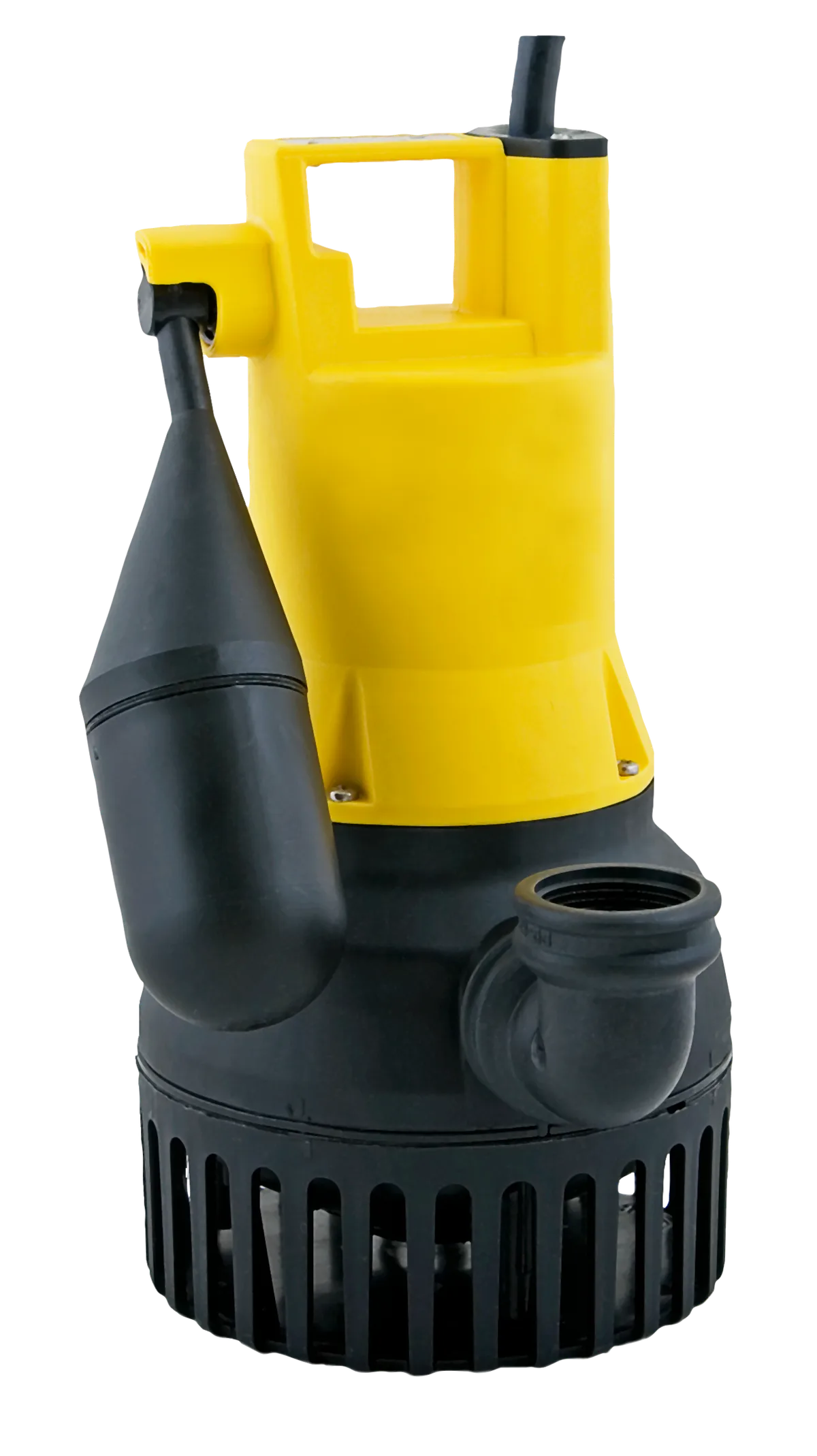
Image source: Wikimedia Commons / PumpExpert (CC BY-SA)
Step-by-Step Process: How to Measure and Plan Your Pump’s Lift
Measuring your system’s actual lift demand ensures you pick a pump that won’t fail under pressure. Start by identifying three core components: the depth of the sump pit, the vertical rise to the discharge exit, and any horizontal runs needed to get there.
Next, calculate friction loss using the pipe size and number of elbows or fittings. A 1.5-inch PVC pipe with two 90-degree elbows loses less than a 1.25-inch line with multiple bends.
Finally, compare your total dynamic head against manufacturer charts to ensure the pump delivers adequate flow at that height.
Tools and Materials Needed
| Item | Purpose |
|---|---|
| Measuring tape | For measuring distances |
| String or laser level | To measure vertical rise accurately |
| Pipe fitters’ chart | For calculating friction loss |
| Sump pump performance curve | From manufacturer |
Image source: Openverse / miamibrickell
Costs & Specs: Sump Pump Power, Prices, and Performance Data
Choosing the right pump often comes down to matching power with cost-effectiveness. While bigger motors offer greater lift, they draw more energy and cost more upfront. Below are approximate ranges based on common household setups.
| Pump Type | HP Range | Max Lift (ft) | Avg Price |
|---|---|---|---|
| Pedestal | 1/4 – 1/3 | 10–18 | $100–$200 |
| Submersible | 1/3 – 1 | 15–30 | $150–$400 |
| Utility (Temporary) | 1/3 – 1/2 | Up to 25 | $80–$250 |
As of 2026, many manufacturers now list Total Dynamic Head (TDH) values directly on product labels, making comparisons easier than relying solely on GPM ratings. When shopping, always check the performance curve chart provided by the maker, it tells you exactly how flow declines as lift increases.
For deeper insight into troubleshooting related issues, our guide on washer drain problems covers similar diagnostics used in plumbing systems.
Safety & Legal: Code Rules, Installation Risks, and When to Call a Pro
Improper sump pump installation can lead to dangerous electrical faults or structural damage from persistent moisture intrusion. Always plug into a GFCI outlet rated for wet locations, and never operate barefoot near standing water.
Local building codes vary widely, some require permits for new installations or mandate backup pump setups in flood zones. Check with your city inspector or a licensed plumber if unsure about requirements near you.
Also, verify that your discharge doesn't violate noise ordinances or direct water toward neighboring properties. In colder climates, improper routing can freeze pipes and cause catastrophic bursts.
If your current setup involves complex grading, deep footings, or repeated failures despite upgrades, consulting a pro isn't just smart, it's safer. Professional waterproofing contractors specialize in these scenarios and can assess hidden risks beneath slabs or basements.
Frequently Asked Questions
Does pipe size affect how high a sump pump can lift water?
Yes. Smaller-diameter pipes create greater friction loss, reducing both flow rate and effective lift height. Using a 1.5-inch or larger pipe is recommended for most residential systems.
Will adding a check valve reduce lift capacity?
Check valves prevent backflow but introduce minor resistance. High-quality swing-check designs minimize this effect compared to cheaper spring-loaded types.
Can I connect my sump pump to the main sewer line?
Only if permitted locally, many jurisdictions prohibit combining storm and sanitary sewers due to overload risks. Always confirm with your municipality first.
What happens if I undersize my sump pump?
An undersized pump will struggle to keep up during heavy rainfall, causing overflow and potential basement flooding before the float even activates again.
Is it normal for a sump pump to cycle frequently?
Frequent cycling suggests either too little water entering the pit or an oversized pump struggling with low-flow conditions. Adjusting the float position may help.
Do battery backups improve reliability?
Backup batteries provide emergency power during outages, giving peace of mind in areas prone to storms or grid instability, but they won’t increase lift height.
Decision Guide: Choosing the Right Pump Based on Your Setup
Not all sump pumps are built the same, and your home’s unique layout determines which one you need. If your discharge pipe climbs over 20 feet vertically, a 1 HP submersible is your safest bet, though it draws more power.
For shallow lifts under 15 feet, a 1/3 HP model provides reliable performance at lower cost. Homes with long horizontal runs benefit from larger-diameter piping to offset friction loss.
Match Your Pump to Common Scenarios
| Scenario | Recommended Pump | Notes |
|---|---|---|
| Shallow sump pit + short run | 1/3 HP submersible | Most common, cost-effective |
| Multi-story discharge | 1/2 HP minimum | Higher GPM helps clear quickly |
| High vertical lift (>20 ft) | 1 HP submersible | Prevents motor strain |
| Frequent outages | Battery backup system | Works alongside primary pump |
If you’re unsure about calculations, plug your numbers into an online TDH calculator before purchasing. Many retailers accept returns on unused pumps, so there’s no harm starting small and upgrading after testing.
Maintenance Tips to Preserve Lift Performance
Even the best pump loses efficiency over time without routine care. Debris buildup inside the impeller housing reduces flow by up to 25% according to manufacturer teardown studies.
Check monthly during peak seasons by removing the pump and rinsing off silt or hair clogs. Every quarter, inspect the check valve for leaks or stuck flappers that allow backflow.
Keep the discharge line clear year-round. Ice formations in winter can block outlets completely. Insulate exposed piping or install a freeze-resistant discharge cap where required by local codes.
Troubleshooting Slow or Weak Flow
When your basement still floods despite having a working pump, look beyond the unit itself. Low flow often stems from hidden restrictions downstream rather than faulty hardware.
Quick Checks Before Calling a Pro
- Confirm the float switch moves freely, it gets stuck often after long idle periods.
- Listen for unusual noises indicating air locks or worn bearings.
- Measure amperage draw; excessive spikes suggest binding or overheating.
- Inspect the impeller visually through the access port for stringy debris.
If everything checks out mechanically, re-examine your total dynamic head calculation. Sometimes homeowners underestimate friction losses from oversized fittings or undersized discharge pipes.
When to Hire a Plumber or Waterproofing Pro
While swapping a pump is straightforward, misdiagnosing chronic issues wastes money and risks damage. Consider professional help if your system cycles excessively without apparent cause.
A licensed plumber can perform a video inspection of underground discharge lines to locate blockages invisible during surface checks. Similarly, structural engineers assess foundation cracks contributing to unexpected water pressure changes.
Our research shows that homes with recurring backups benefit most from perimeter French drain installations tied directly to interior sumps, not just stronger pumps alone.
Frequently Asked Questions
How often should I test my sump pump?
Test it every 2, 3 months by pouring water into the pit until the float triggers. Listen for smooth startup and confirm water exits the discharge hose properly.
Should I leave my sump pump running constantly?
No, continuous operation usually means something’s wrong. Either the float switch is jammed or incoming flow exceeds the pump’s capacity.
Can frozen discharge lines damage my pump?
Absolutely. Ice blocks force water back into the pit and strain the motor. Using heat tape on exposed sections prevents freezing in cold climates.