
Figuring out how much noise is normal for a sump pump prevents unnecessary panic during heavy rain. Most homeowners worry when they hear unfamiliar sounds from the basement. A healthy unit produces a consistent low hum and brief motor whir.
Sudden changes in pitch or rhythm usually signal trouble.
Manufacturer specifications indicate submersible models typically operate between 40 and 60 decibels as of 2026. Pedestal pumps run louder at 60 to 80 decibels due to exposed motors. Understanding these baselines helps you distinguish routine operation from mechanical failure.
Let us break down exactly what to listen for.
What Normal Sump Pump Noise Actually Sounds Like
Baseline Decibel Ranges by Pump Type
Normal sound levels depend heavily on your specific equipment configuration. Submersible pumps sit underwater inside the basin liner. The surrounding water acts as natural sound insulation.
You will hear a muffled hum around 50 decibels. This volume resembles a quiet conversation or moderate rainfall.
Pedestal pumps have motors mounted above the floor. There is no water barrier to dampen vibration. Expect noise levels closer to 70 decibels during operation.
That is similar to a running dishwasher or vacuum cleaner. Older units may trend toward the higher end of this range.
Cast iron housings absorb more vibration than thermoplastic bodies. Heavier materials reduce case resonance significantly. Lightweight plastic pumps often transmit more motor noise through the basin.
Check your model specifications if baseline volume seems high. Material choice directly impacts perceived loudness in finished spaces.
The Healthy Cycle: Duration, Frequency, and Shutdown Sounds
A properly functioning cycle lasts between 10 and 30 seconds. The motor should start smoothly without hesitation or surging. Listen for a steady pitch throughout the entire run.
Any wavering suggests electrical issues or impeller obstruction. Consistency matters more than absolute volume here.
Shutdown should be clean and immediate. You might hear a soft click from the float switch. A slight gurgle as water settles in the discharge pipe is fine.
Anything sharper indicates potential check valve problems downstream. Water hammer creates loud bangs that are never normal.
Cycle frequency reveals system health just like sound does. Residential pumps typically activate six to ten times hourly during wet weather. Rapid cycling under one minute suggests switch misalignment.
Running continuously for hours points to inadequate capacity. Both extremes warrant investigation even if the motor sounds fine.
Diagnose Your Sump Pump Noise: A Sound-Based Decision Tree
Identifying the exact sound type narrows troubleshooting dramatically. Different noises map to specific mechanical states. Use this diagnostic framework before calling a professional.
Accurate description saves time and money. Guesswork leads to unnecessary part replacements.
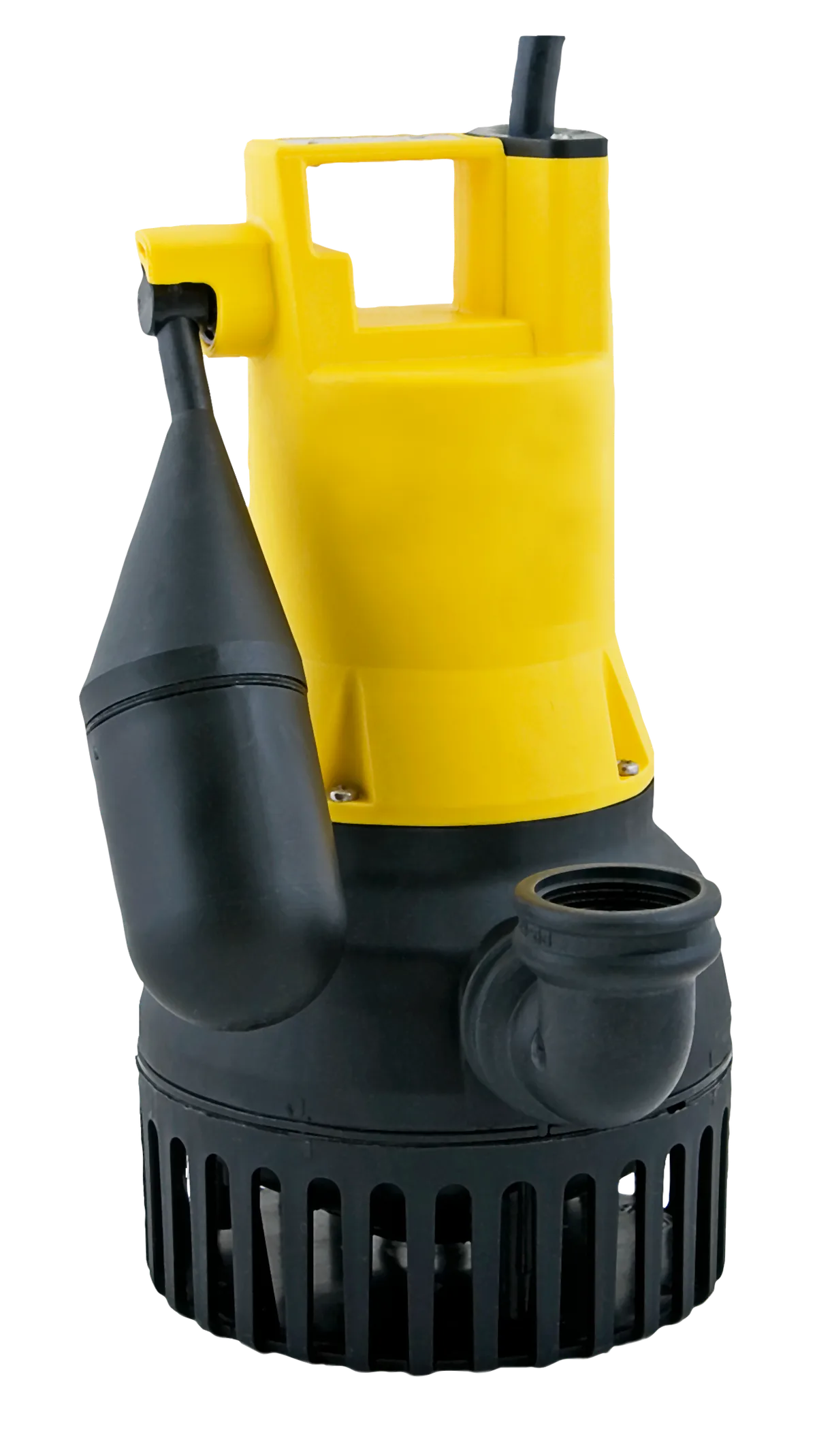
Image source: Wikimedia Commons / PumpExpert (CC BY-SA)
Humming Without Water Movement
A persistent hum with zero discharge means the motor runs but the impeller cannot move water. First check for debris blocking the intake screen. Small stones or sediment frequently jam rotation.
Clearing the obstruction often restores function immediately. Always disconnect power before reaching into the basin.
If the intake is clear, the capacitor may have failed. Start capacitors provide initial torque for single-phase motors. A bad capacitor allows humming without sufficient startup force.
Testing requires a multimeter set to capacitance mode. Replacement parts cost under twenty dollars at most hardware stores.
Locked rotor conditions also produce sustained humming. Bearings seize after years of exposure to moisture. Thermal overload protectors should trip within minutes.
If the motor stays hot and silent after cooling, windings are likely burned. Motor replacement rarely makes economic sense versus full unit swap.
Loud Thuds, Bangs, or Pipe Shaking
Sharp banging at shutoff is classic water hammer. Fast-moving water slams against a closed check valve. The resulting pressure wave shakes unsecured piping violently.
Installing a spring-loaded check valve eliminates most occurrences. These close gradually instead of slamming shut instantly.
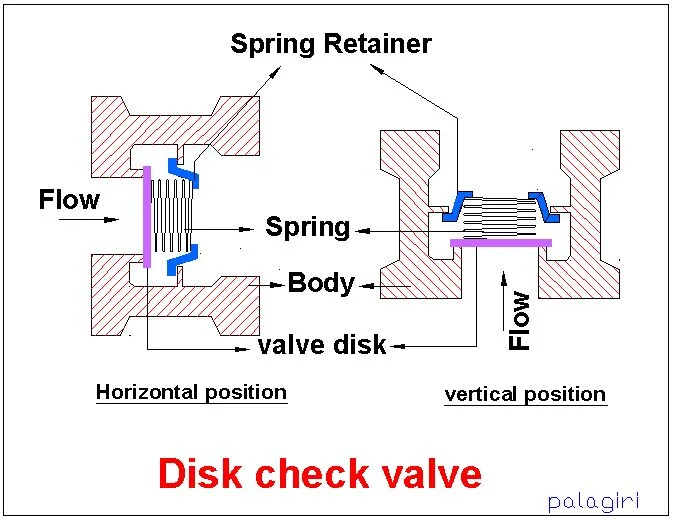
Image source: Wikimedia Commons / Palagiri (CC BY-SA)
Loose pipe clamps amplify vibration transfer to framing. Secure discharge lines every four feet vertically. Rubber-lined brackets isolate movement better than metal straps.
Adding foam insulation around pipes reduces transmitted noise further. Simple mechanical fixes resolve most thudding complaints without replacing components.
Air trapped in the discharge line causes gurgling bangs. Ensure the weep hole remains open and unobstructed. This small vent prevents airlocking between cycles.
Debris easily blocks it over time. A quick cleaning restores smooth flow dynamics. Refer to manufacturer guidelines for proper weep hole maintenance procedures.
Grinding, Screeching, or Rattling
Metal-on-metal grinding signals bearing degradation. Shaft play increases as lubrication fails. Continued operation risks complete seizure and flooding.
Immediate replacement is the only safe option. Attempting repair on sealed bearings damages the housing permanently.
Rattling often comes from loose internal components. Impeller bolts work free after extended vibration. Foreign objects like gravel create similar sounds.
Inspect the volute chamber visually during annual service. Tightening fasteners or removing debris restores quiet operation. Never ignore new mechanical noises hoping they resolve themselves.
High-pitched screeching indicates cavitation damage. Starved impellers spin faster than designed flow allows. Restrictive intake filters or undersized piping cause this.
Verify your system matches original engineering specifications. Correcting hydraulic imbalance stops destructive wear patterns. Early intervention extends remaining service life considerably.
Rapid Clicking or Short-Cycling
Chattering float switches turn the pump on and off repeatedly. Tether length adjustment usually fixes positioning errors. Electronic sensors may need recalibration or cleaning.
Mineral buildup interferes with reliable level detection. Vinegar soaks dissolve deposits without damaging sensitive contacts.
Faulty control boards mimic switch chatter electrically. Relay contacts weld partially under high current loads. Intermittent connections create erratic activation patterns.
Professional diagnosis confirms electronic versus mechanical origin. Board-level repairs require specialized testing equipment. DIY troubleshooting rarely addresses root causes safely.
Check valve backflow triggers false restart signals. Worn flapper seals allow water to drain backward. Each refill reactivates the float unnecessarily.
Replacing the valve assembly cures chronic short-cycling. Choose quality brass fittings over cheap plastic alternatives. Durability differences justify modest upfront cost premiums.
Quick Fixes vs. Replacement: When to Act on Abnormal Sounds
Adjustments You Can Safely Make Yourself
Securing loose discharge piping takes minutes and costs almost nothing. Proper support eliminates resonance-related noise complaints entirely. Use rubber-isolated clamps spaced appropriately per code.
Avoid overtightening which transfers vibration rather than absorbing it. This simple step resolves many perceived mechanical failures.
Cleaning intake screens and checking valves restores designed performance. Sediment accumulation mimics serious mechanical symptoms. Annual preventive maintenance prevents most avoidable breakdowns.
Document service dates for warranty compliance purposes. Regular attention keeps baseline noise predictable and manageable.
Float switch adjustments optimize cycle timing without tools. Repositioning eliminates chatter caused by turbulent inflow. Ensure adequate clearance from basin walls and pipes.
Test manually after each adjustment to verify range. Fine-tuning pays dividends in reduced wear and quieter operation.
Signs of Imminent Motor or Bearing Failure
Burning electrical odors accompany winding insulation breakdown. Acrid smells mean catastrophic failure is imminent. Shut down power immediately to prevent fire risk.
Continuing operation endangers surrounding structures and wiring. Professional assessment determines salvageability versus replacement necessity.
Excessive heat generation exceeds normal operating temperature. Touch the motor housing cautiously after brief runtime. Uncomfortably warm surfaces indicate internal friction or overload.
Thermal protection should prevent dangerous overheating automatically. Bypassed safeties create unacceptable hazard conditions requiring urgent correction.
Intermittent operation despite stable water levels suggests failing components. Random shutdowns precede total cessation reliably. Capacitor degradation shows this pattern characteristically.
Voltage fluctuations rule out utility supply issues first. Systematic elimination isolates the defective subsystem accurately.
Critical Safety Checks Before Troubleshooting
Always verify GFCI protection exists on the outlet circuit. Ground fault interrupters prevent electrocution in wet environments. Test monthly using built-in buttons per NEC requirements.
Non-compliant installations violate code and insurance policies simultaneously. Electrical safety supersedes all diagnostic priorities absolutely.
Disconnect power at the breaker panel before any inspection. Outlet switches alone do not guarantee isolation. Lockout tagout practices prevent accidental re-energization.
Assume circuits remain live until personally verified dead. Multimeter confirmation takes seconds and saves lives.
Wear protective gloves when handling submerged components. Sharp edges and biological contaminants lurk inside basins. Eye protection guards against splashing contaminated water.
Respiratory masks reduce mold spore inhalation risks. Personal protective equipment is non-negotiable for responsible maintenance work.
Sump Pump Noise FAQs: Common Concerns Answered
Why does my sump pump make noise when not running?
Gurgling sounds during idle periods usually indicate check valve leakage. Water draining backward refills the basin slowly. Float switches reactivate periodically as levels rise.
Replacing worn valve assemblies stops this parasitic cycling. Silent operation between active cycles confirms proper sealing function.
Is a loud sump pump covered by home warranty?
Coverage depends entirely on your specific contract terms. Mechanical failures from wear typically qualify for claims. Neglect or improper installation voids protection universally.
Document maintenance history thoroughly before filing requests. Pre-existing conditions discovered during inspections rarely receive approval.
Can I soundproof my existing sump pump enclosure?
Acoustic foam lining reduces airborne noise transmission effectively. Seal gaps around access panels to prevent leaks. Maintain adequate ventilation to prevent motor overheating.
Never block airflow paths for noise reduction alone. Balance acoustic treatment with thermal management requirements carefully.
Does pump horsepower affect noise level directly?
Higher horsepower motors generally produce more operational noise. Increased electromagnetic forces generate additional vibration energy. Larger impellers move more water with greater turbulence.
Proper sizing prevents oversized units from short-cycling loudly. Match capacity to actual drainage needs rather than maximizing power.