
Figuring out how quickly should a sump pump empty a pit prevents costly motor failure. Most homeowners mistake raw speed for efficiency, but rapid cycling actually destroys equipment faster than slow drainage. The goal is balanced drawdown, not maximum velocity.
Manufacturer specifications indicate a safe drawdown cycle lasts between 10 and 30 seconds. Per International Residential Code standards, the system must handle peak inflow without short-cycling more than six times hourly. Understanding this balance helps you diagnose issues before they cause flooding or burnout.
How Quickly Should a Sump Pump Empty a Pit
A properly sized sump pump empties its pit in 10 to 30 seconds during normal operation. This duration ensures adequate motor cooling between cycles while preventing water accumulation. Cycles shorter than 10 seconds indicate dangerous short-cycling that damages the motor.
Extended runs over two minutes suggest undersized equipment or excessive groundwater inflow.
Diagnosing Your Cycle: Pit Volume, Switch Settings, and Inflow Rate
Your pump’s emptying speed depends entirely on pit geometry and switch differential. Drawdown volume equals the water depth between activation and deactivation points multiplied by pit surface area. An 18-inch diameter pit with a 6-inch differential holds roughly 7 gallons of usable water.
A 24-inch pit with the same setting holds nearly 13 gallons.
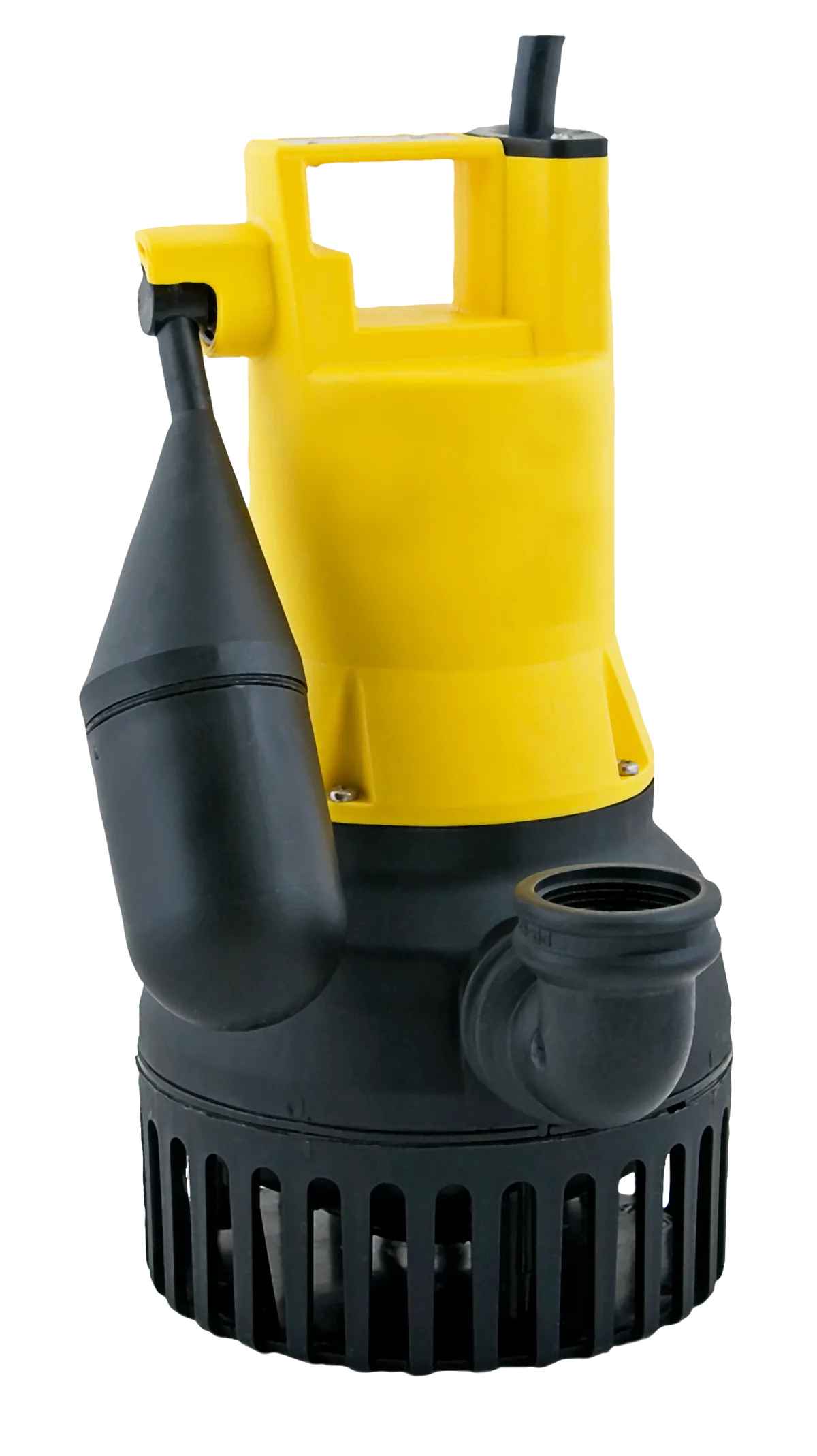
Image source: Wikimedia Commons / PumpExpert (CC BY-SA)
Inflow rate determines if your current setup can keep pace. During heavy rain, water may enter faster than the pump removes it. This creates continuous running, which is safer than rapid cycling but still stressful.
You can estimate inflow by timing how long the pit takes to refill after pumping stops.
Switch settings dictate minimum run time per cycle. Adjustable tethered floats allow you to increase differential for longer cycles. Electronic sensors offer precise control over activation thresholds.
If your pump empties too fast, widening the switch gap is often the simplest fix. Always verify adjustments don’t allow water to reach floor level.
Pit shape also affects performance consistency. Narrow, deep basins provide better drawdown than wide, shallow ones. Sediment buildup reduces effective volume over time.
Regular cleaning maintains designed capacity and prevents erratic cycling behavior. Measuring actual dimensions confirms whether your pit matches original specifications.
Fixing Short-Cycling and Continuous Running Before Motor Failure
Short-cycling occurs when the pump turns on and off more than six times per hour. This pattern generates excessive heat and wears start capacitors prematurely. The most common cause is an oversized pump in a small pit.
Another frequent culprit is a stuck or misadjusted float switch.
Image source: Wikimedia Commons / United States Department of Energy
Check valve failure often mimics short-cycling symptoms. Water flows back into the pit after shutdown, triggering immediate restart. Listen for gurgling sounds in the discharge pipe after the pump stops.
Replacing a faulty check valve restores proper cycle timing instantly. Ensure the valve installs vertically with correct flow direction.
Continuous running signals insufficient capacity or extreme inflow. Unlike short-cycling, this won’t destroy the motor immediately but indicates system overload. Verify discharge lines aren’t frozen or blocked first.
If plumbing is clear, consider adding a second pump or upgrading horsepower. Our research shows dual-pump systems handle storm surges far better than single oversized units.
Debris interference causes erratic cycling patterns. Inspect the float mechanism for obstructions regularly. Clean intake screens and weep holes to maintain consistent flow.
Adjusting tether length can resolve minor timing issues without replacement parts. Document cycle frequencies during different weather conditions to establish baseline performance.
Electrical problems sometimes masquerade as mechanical failures. Voltage drops extend run times artificially. Thermal overload protectors trip repeatedly under stress.
These safety features prevent fire but mask underlying sizing problems. Professional evaluation helps distinguish electrical faults from hydraulic mismatches. Addressing root causes protects both equipment and property.
Sump Pump Timing FAQs: Real Answers for Common Concerns
Why does my sump pump run every three minutes?
Running every three minutes indicates severe short-cycling that risks motor burnout. Check if the float switch is stuck or positioned too low. Measure your pit diameter against pump capacity ratings.
Widening the switch differential or installing a larger basin usually resolves this issue permanently. Ignoring frequent cycling leads to premature failure during critical storms.
Is it normal for a sump pump to run continuously during rain?
Continuous operation during heavy precipitation is acceptable if the pump keeps up with inflow. Monitor water levels to ensure they stay below floor height. Verify discharge lines remain unobstructed throughout the event.
If water rises despite constant pumping, add backup capacity immediately. Continuous running is preferable to short-cycling but still warrants post-storm inspection.
How do I calculate my sump pit drawdown volume?
Measure the inside diameter and water depth between switch points. Multiply radius squared by pi, then by depth in inches. Divide result by 231 to convert cubic inches to gallons.
This number represents usable volume per cycle. Compare calculated volume against manufacturer GPH ratings at your specific head height for accurate sizing validation.
What causes a sump pump to empty too slowly?
Slow emptying typically stems from clogged impellers or restricted discharge lines. Inspect weep holes and intake screens for sediment buildup. Check vertical lift distance against pump performance curves.
Frozen pipes or closed valves create artificial backpressure. Worn impellers lose efficiency gradually over years of service. Cleaning or component replacement restores designed flow rates effectively.
Can adjusting the float switch fix rapid cycling?
Yes, increasing float differential extends run time and reduces cycle frequency. Move the activation point higher or deactivation point lower within safe limits. Ensure maximum water level never approaches basement floor height.
Test adjustments during moderate rainfall before relying on them during storms. Proper switch tuning balances protection with equipment longevity better than arbitrary replacements.