
Cleaning a flooded sump pump requires strict safety protocols before you even touch the equipment. You must eliminate electrical hazards and biological risks first to avoid serious injury or system failure during recovery.
The CDC recommends treating all floodwater as contaminated with sewage or chemicals until proven otherwise. Following established decontamination standards protects your health and ensures reliable operation when storms return.
how to clean a sump pump after a flood
Turn off power at the breaker first. Wear protective gloves and eye protection. Remove debris from the pit manually.
Disconnect and lift the pump out safely. Scrub housing with registered disinfectant. Clear impeller cavity of all sediment.
Test float switch movement freely. Reinstall only after full inspection completes.
Critical Safety Protocols Before Touching a Flooded Sump Pump
Never enter a flooded basement without verifying electrical safety first. Water conducts electricity efficiently, and submerged outlets create lethal shock hazards instantly. Always shut off the main circuit breaker supplying the sump pump before approaching the basin area.
You should also confirm GFCI protection is functional on that specific circuit. Per NFPA 70E standards, ground fault protection must trip within milliseconds to prevent electrocution in wet environments. If the outlet lacks this protection, do not proceed until an electrician verifies safe conditions.
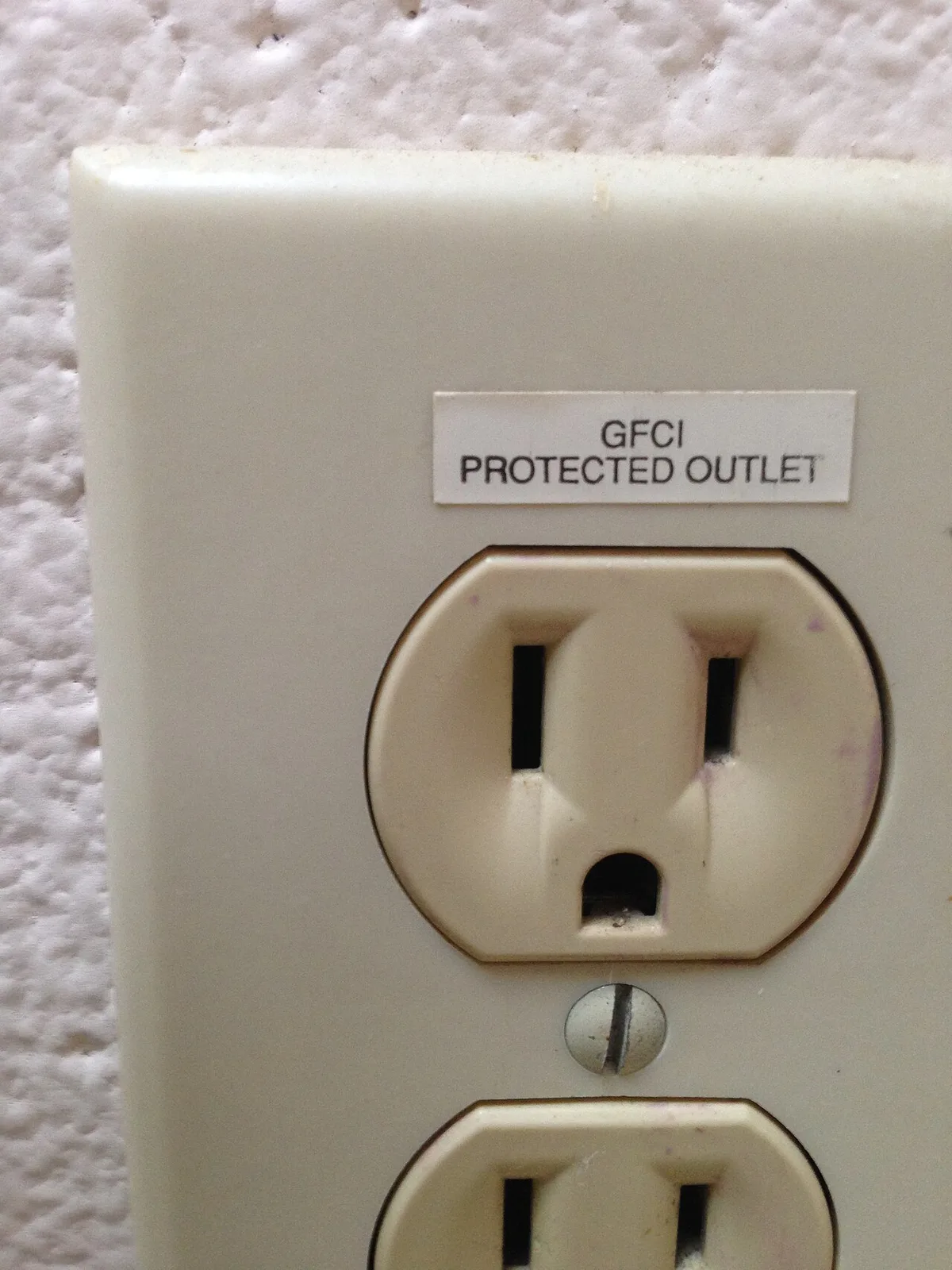
Image source: Wikimedia Commons / dankeck
Biological hazards demand equal respect during cleanup operations. Floodwater often contains raw sewage, mold spores, and chemical contaminants that cause illness through skin contact or inhalation. Wear waterproof gloves, rubber boots, and N95 respirators throughout the entire process to minimize exposure risks.
Ventilate the space adequately before starting any work inside. Open windows and run exhaust fans to reduce airborne pathogen concentration significantly. This simple step prevents respiratory issues that commonly occur during post-flood remediation projects in confined basement spaces.
Step-by-Step Decontamination and Mechanical Inspection Workflow
Start by removing standing water and large debris from the basin. Use a wet/dry vacuum for extraction rather than manual bailing to limit direct contact. Scoop out gravel, fabric scraps, and silt that accumulate at the bottom during flooding events.
Disconnect the discharge pipe union carefully once the pit is accessible. Support the check valve assembly to prevent stress cracks in older PVC fittings. Lift the pump straight up to avoid damaging the power cord or float switch tether during removal.
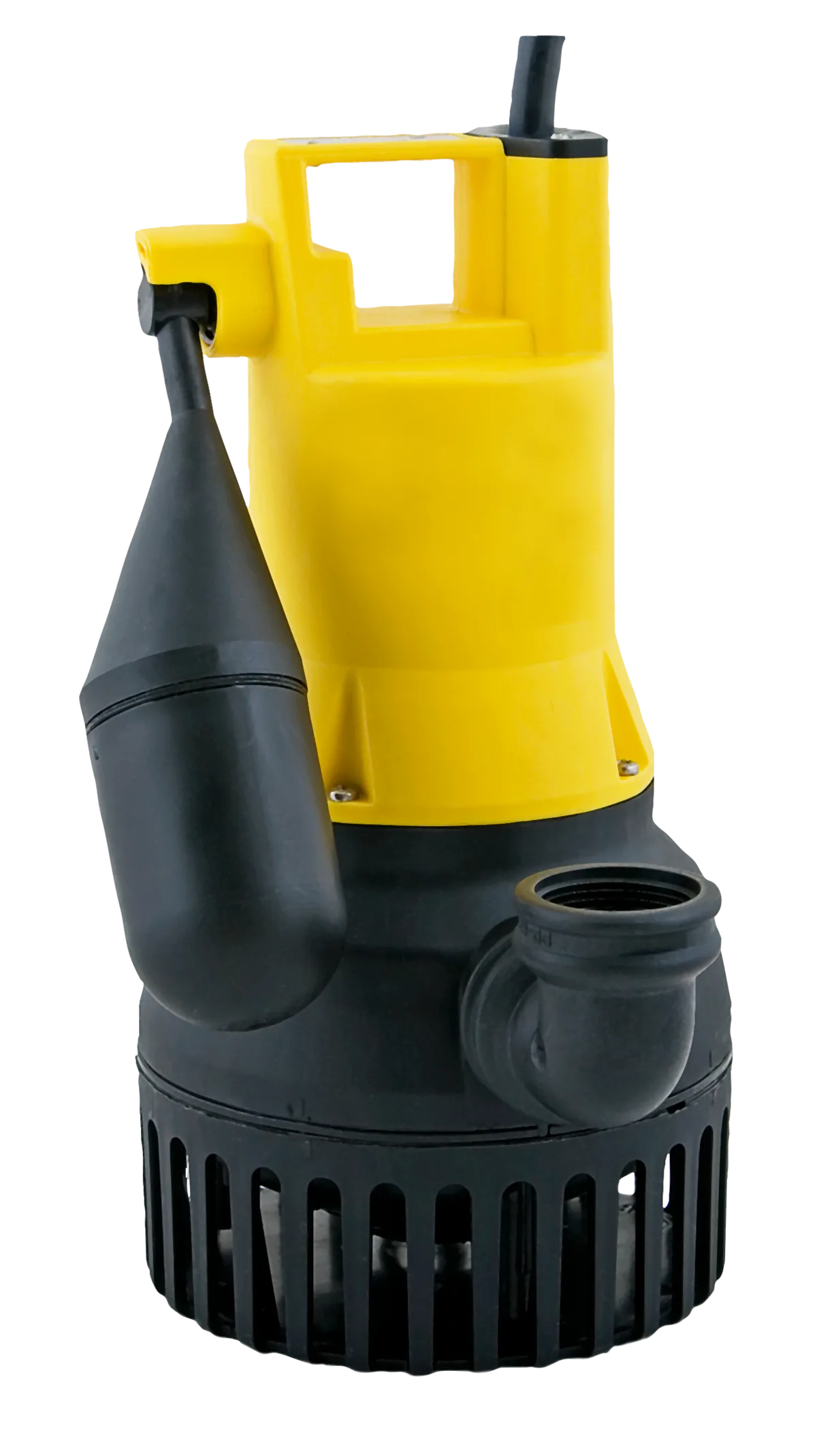
Image source: Wikimedia Commons / PumpExpert (CC BY-SA)
Scrub the volute housing thoroughly with EPA-registered disinfectant solution. Pay special attention to crevices where biofilm hides between cleanings. Allow ten minutes minimum contact time per manufacturer specifications to ensure proper pathogen elimination before rinsing completely.
Inspect the impeller cavity for trapped debris that causes motor strain. Rotate the shaft by hand to verify smooth operation without grinding noises. Clear any obstructions using plastic tools to avoid scratching precision-machined surfaces that maintain hydraulic efficiency over years of service.
Test the float switch mechanism through its full range of motion. Sludge coating can restrict movement and cause activation failures during future storms. Clean the tether and pivot points gently while checking for corrosion or physical damage that compromises reliability.
When to Repair vs. Replace After Flood Exposure
Not every flooded pump survives cleaning intact despite thorough decontamination efforts. Internal motor seals often fail silently after submersion in contaminated water. Moisture ingress leads to premature bearing failure or electrical shorts weeks after initial cleanup appears successful.
Evaluate repair viability based on contamination category and pump age. Category 3 black water exposure typically warrants complete replacement regardless of apparent condition. Units older than seven years rarely justify expensive seal replacements when new models offer improved efficiency and warranty coverage.
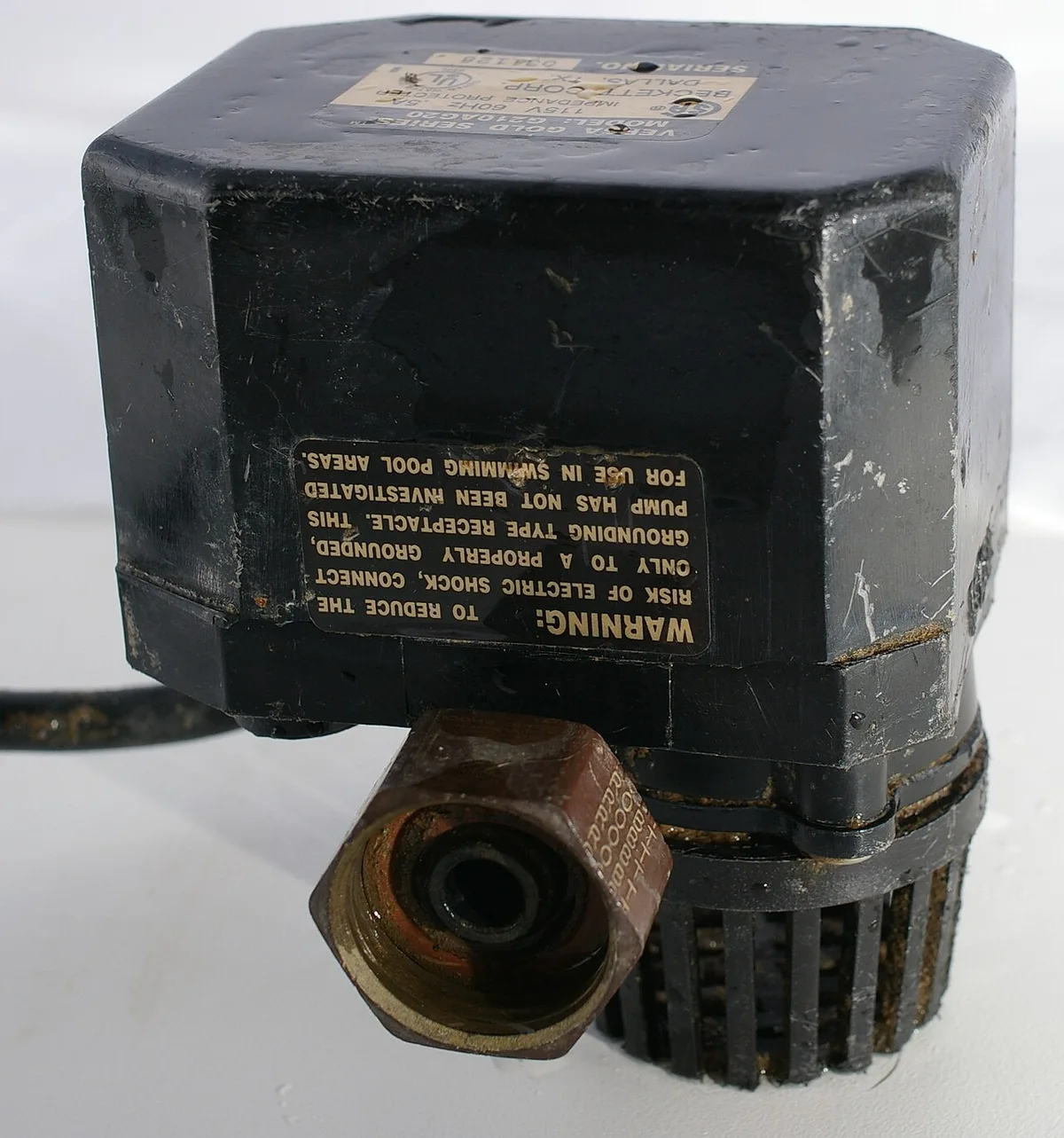
Image source: Wikimedia Commons / Hustvedt (CC BY-SA)
Check valves deserve separate assessment during post-flood inspections. Sediment accumulation frequently prevents proper sealing and allows backflow into the basin. Replacing this inexpensive component proactively prevents unnecessary cycling that shortens pump lifespan significantly over subsequent wet seasons.
Consider upgrading if your current unit lacks modern safety features. Thermal overload protection and sealed bearings provide better resilience against future flood events. Investing in higher-capacity models also addresses changed hydrology patterns observed across many regions as of 2026.
Professional evaluation makes sense when uncertainty remains about internal damage. Certified technicians perform insulation resistance testing that reveals hidden moisture problems invisible to visual inspection alone. This diagnostic step costs far less than emergency replacement during the next major storm event.
Post-Flood Sump Pump Cleaning FAQs
Can I use bleach to disinfect my sump pump?
Bleach corrodes metal components and degrades plastic housings over time. EPA-registered quaternary ammonium disinfectants clean effectively without damaging critical pump materials. Always follow label dilution ratios precisely to achieve proper sanitization while preserving equipment integrity throughout repeated maintenance cycles.
How long should I wait before testing the pump?
Allow twenty-four hours minimum drying time after reassembly and reinstalling. Residual moisture in electrical connections causes immediate failures or delayed corrosion issues. Run a brief test cycle with clean water only before relying on the system during actual flood conditions again.
What PPE do I need for flood cleanup?
Waterproof nitrile gloves protect against biological contaminants and harsh chemicals effectively. N95 respirators filter mold spores and particulate matter suspended in damp air. Rubber boots with steel toes provide slip resistance and crush protection when working around heavy cast iron equipment in wet basements.
Should I replace the check valve after flooding?
Flood debris frequently compromises check valve seals and prevents proper closure. Backflow through damaged valves forces unnecessary restart cycles that accelerate motor wear significantly. Replacement gaskets are inexpensive insurance against premature pump failure during recovery periods following major water intrusion events.