
Knowing what maintenance does a sump pump need prevents catastrophic basement flooding during heavy storms. This simple upkeep routine protects your home’s foundation and saves thousands in potential water damage repairs.
Manufacturer specifications indicate most pumps require quarterly testing and annual deep cleaning to maintain warranty coverage. The National Electrical Code also mandates GFCI protection for all sump pump outlets as of 2026. Let’s break down exactly how to keep your system running reliably when you need it most.
What Maintenance Does a Sump Pump Need
Sump pump maintenance requires monthly visual inspections and quarterly operational tests. You must clean the intake screen and pit annually to prevent clogs. Test the float switch and check valve every three months for proper function.
Replace backup batteries every three to five years per manufacturer specs. Always disconnect power before performing any physical maintenance tasks.
Why Sump Pump Maintenance Is a Safety Issue, Not Just a Chore
Neglecting sump pump maintenance creates serious financial and structural risks for homeowners. A failed pump during a storm can cause tens of thousands of dollars in basement damage within hours. Water intrusion promotes toxic mold growth and compromises your home’s structural integrity over time.
This isn’t just about protecting stored items or finished living spaces. Your foundation itself depends on proper water management to avoid cracking and settling issues. Insurance claims for water damage often face scrutiny if maintenance records are missing or incomplete.
Electrical safety matters just as much as flood prevention in this context. Sump pumps operate in wet environments where shock hazards are constant and severe. Per NFPA 70 standards, all basement pumps must connect to GFCI protected circuits to prevent electrocution.
Never bypass these safety devices or remove ground prongs during troubleshooting.
Regular maintenance also ensures compliance with local building codes and insurance requirements. Many policies now require documented proof of annual pump servicing for water damage coverage. Skipping this step could void your protection when you need it most.
Think of maintenance as risk management rather than an optional chore.
The Essential Maintenance Checklist: Monthly Tests and Annual Deep Cleans
Consistent maintenance follows a predictable schedule that takes minimal time each visit. Monthly checks involve visual inspection only and require no tools or disassembly. Quarterly tests verify mechanical operation while annual cleans address sediment buildup and wear.
Sticking to this cadence catches problems before they become emergencies.
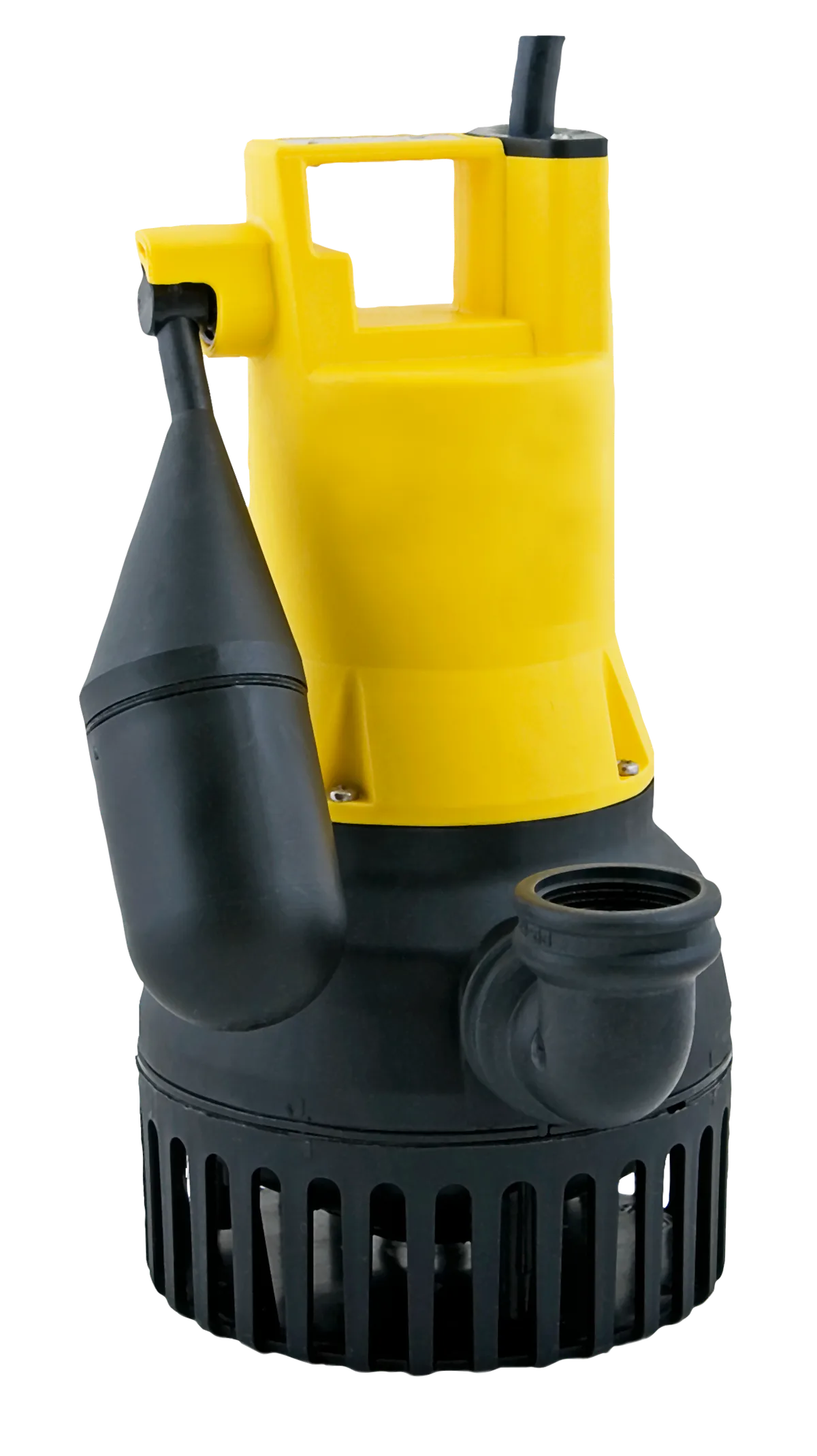
Image source: Wikimedia Commons / PumpExpert (CC BY-SA)
Monthly Visual Inspection Tasks
Look for obvious signs of trouble without touching electrical components or moving parts. Check that the discharge pipe remains clear of ice or debris outside your home. Verify the power cord shows no fraying and the outlet has not tripped its GFCI reset button.
Listen for unusual vibrations or humming sounds that suggest motor strain.
Ensure the pit cover sits securely to prevent debris entry and radon gas escape. Note any new odors that might indicate stagnant water or electrical burning. Document your findings in a simple log for future reference and warranty purposes.
This two minute habit builds awareness of normal versus abnormal conditions.
Quarterly Operational Testing Steps
Unplug the pump and plug it back in to verify electrical connection integrity. Pour five gallons of water into the pit to trigger the float switch activation point. Watch the pump start automatically and observe the discharge flow rate outside.
Confirm the check valve closes properly after shutdown to prevent backflow into the pit.
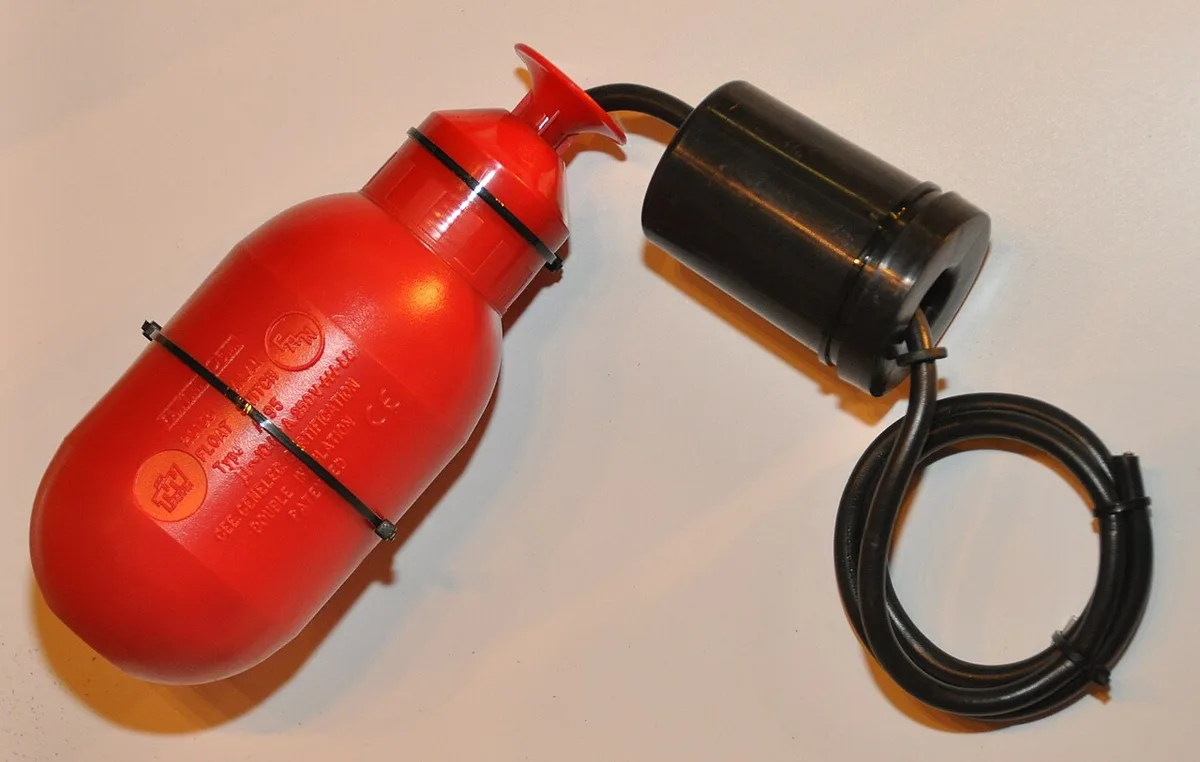
Image source: Wikimedia Commons / S.J. de Waard (CC BY)
Test any battery backup system by unplugging primary power during a cycle. Verify alarms sound correctly if your unit includes high water or failure alerts. Measure the time it takes to empty the pit against manufacturer flow specifications.
Record results to track performance degradation over the pump’s service life.
Annual Deep Cleaning Procedure
Disconnect all power sources completely before removing the pump from the basin. Clean the intake screen and impeller housing with a soft brush and water. Inspect the weep hole for blockages that could cause motor overheating or seal failure.
Flush the entire pit with fresh water to remove accumulated silt and gravel.
Examine the check valve seal for cracks or mineral deposits that reduce effectiveness. Lubricate moving parts only if the manufacturer explicitly recommends specific products. Reinstall the pump and run a full test cycle before restoring regular operation.
Consider professional inspection if you notice corrosion or excessive wear during this process.
| Task Frequency | Key Actions | Time Required |
|---|---|---|
| Monthly | Visual check, listen for noise, verify power | 2 minutes |
| Quarterly | Water test, float check, backup verification | 15 minutes |
| Annually | Full removal, screen clean, valve inspection | 45 minutes |
Critical Red Flags: When to Repair vs. Replace Your Pump
Recognizing failure signs early determines whether you face a simple fix or full replacement. Some symptoms indicate minor adjustments while others signal end of life for the unit. Ignoring these warnings typically leads to complete failure during peak demand periods.
Understanding the difference saves money and prevents emergency situations.
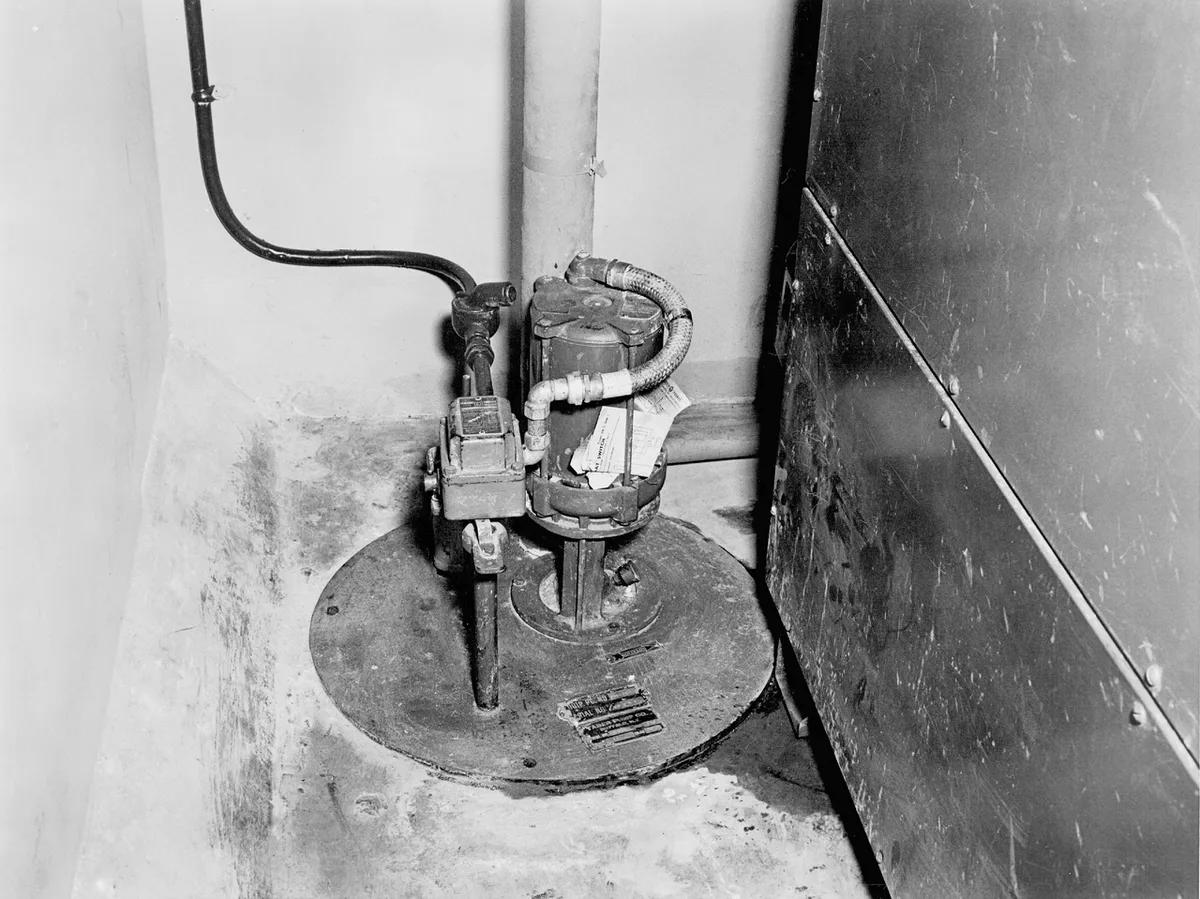
Image source: Wikimedia Commons / United States Department of Energy
Signs Pointing Toward Simple Repairs
A stuck float switch often responds to cleaning or repositioning rather than replacement. Debris jamming the tether or arm prevents proper activation but doesn’t damage internal components. Similarly, a clogged intake screen reduces flow without harming the motor itself.
Clearing obstructions usually restores normal function immediately.
Check valve failures frequently cause backflow noises but leave the pump motor intact. Replacing this inexpensive rubber flapper solves the problem in under thirty minutes. Tripped GFCI outlets sometimes result from moisture rather than actual pump faults.
Resetting the breaker and drying connections may resolve intermittent power issues safely.
Indicators Requiring Full Unit Replacement
Motors that hum without spinning typically have seized bearings or burnt windings beyond repair. Continuous running without water evacuation suggests catastrophic impeller or shaft failure. Rust penetrating cast iron housings compromises structural integrity and creates leak paths.
Units exceeding ten years of service rarely justify expensive component repairs.
Frequent short cycling despite clean screens points to failing internal switches or capacitors. Oil leaks from sealed motors indicate bearing seal failure that contaminates groundwater. Burnt smells or visible scorch marks confirm electrical damage requiring immediate replacement.
Investing in a new unit proves more economical than repeated service calls on aging equipment.
For homeowners managing other appliance issues alongside sump pump concerns, understanding diagnostic signals across different systems helps prioritize urgent repairs. Recognizing when professional help is necessary applies equally to troubleshooting complex errors in laundry equipment or water management systems. Proper maintenance timing prevents cascading failures throughout your home’s critical infrastructure.
Frequently Asked Questions
How often should I test my sump pump?
Test your sump pump quarterly by pouring water into the pit to trigger automatic activation. Monthly visual inspections catch obvious problems between operational tests. Annual deep cleaning removes sediment that affects performance over time.
Consistent testing reveals gradual degradation before complete failure occurs during storms.
Can I perform sump pump maintenance myself?
Homeowners can safely handle monthly inspections and quarterly water tests without professional help. Annual cleaning requires comfort working with electrical components near water sources. Always disconnect power before touching the pump or entering the pit.
Call licensed professionals for motor repairs, electrical work, or if you feel uncertain about safety procedures.
What causes sump pumps to fail prematurely?
Running dry due to low water tables burns out motors designed for submerged cooling. Sediment accumulation clogs intakes and strains impellers beyond their rated capacity. Power surges from lightning strikes damage sensitive electronic switches and capacitors.
Improper installation or undersized units working constantly accelerate wear significantly compared to correctly sized systems.
Do battery backup sump pumps need special maintenance?
Battery backups require testing every three months alongside your primary pump verification. Replace sealed lead acid batteries every three to five years regardless of apparent condition. Clean battery terminals annually to prevent corrosion that blocks current flow during outages.
Verify charger operation monthly since failed chargers render backups useless when needed most.