
To clean a reusable HVAC filter, remove it from the unit and rinse it with water. Allow it to dry completely before reinstalling.
Regular cleaning of reusable HVAC filters is crucial for maintaining indoor air quality and system efficiency. Dirty filters can reduce airflow and force the system to work harder, leading to higher energy bills and potential damage. Cleaning the filters every one to three months ensures they function optimally.
This simple maintenance task can extend the lifespan of your HVAC system and improve air circulation in your home. Always follow the manufacturer’s instructions for cleaning to avoid damaging the filter. Regular upkeep not only ensures cleaner air but also promotes a more efficient and cost-effective heating and cooling system.

Credit: biodefensor.com
Introduction To Reusable Hvac Filters
Reusable HVAC filters are a great choice for your home. They save you money and help the planet. But you need to clean them well. This guide will teach you how.
Benefits Of Reusing Filters
- Cost-Effective: Save money by not buying new filters often.
- Eco-Friendly: Reduce waste and help the environment.
- High Efficiency: Keep your HVAC system running well.
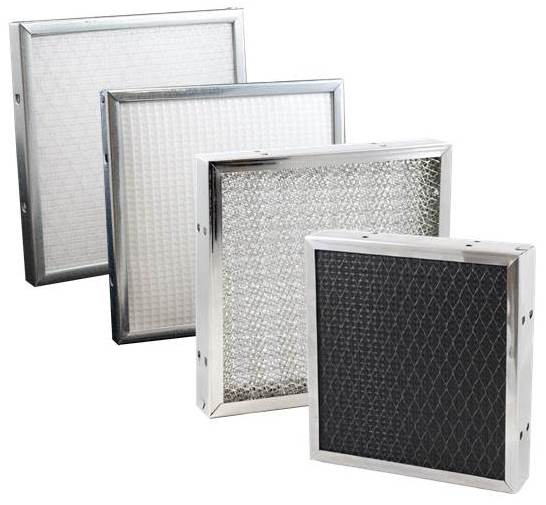
Types Of Reusable Filters
| Type | Material | Cleaning Method |
|---|---|---|
| Electrostatic | Metal or Synthetic Fiber | Rinse with water |
| Washable | Polyester or Foam | Vacuum and wash |
Credit: permatron.com
Recognizing When To Clean Your Filter
Cleaning your reusable HVAC filter is essential for maintaining good air quality. It also helps in keeping your HVAC system efficient. Knowing when to clean your filter can save you money and improve your home’s air.
Signs Of A Dirty Hvac Filter
- Reduced Airflow: Notice less air coming from your vents? This might indicate a dirty filter.
- Increased Energy Bills: A dirty filter can make your HVAC system work harder, leading to higher energy costs.
- Unpleasant Odors: Smelling musty or dusty air? A clogged filter could be the cause.
- Visible Dirt: If you see dust and debris on the filter, it’s time for a cleaning.
- Allergy Symptoms: Experiencing more sneezing or coughing? A dirty filter might be circulating allergens.
Recommended Cleaning Frequency
Cleaning frequency depends on various factors like usage and environment. Here are some general guidelines:
| Usage | Cleaning Interval |
|---|---|
| Light Usage | Every 3 months |
| Moderate Usage | Every 2 months |
| Heavy Usage | Monthly |
For homes with pets or smokers, clean the filter more often. Regular checks help ensure your filter stays clean and effective.
Safety First: Preparing To Clean
Before you start cleaning your reusable HVAC filter, it’s important to prioritize safety. Proper preparation ensures you avoid hazards and achieve optimal results. Follow these steps to get ready.
Turning Off The Hvac System
First, turn off the HVAC system. This prevents electrical accidents and keeps dust from circulating. Locate the main switch or circuit breaker and switch it off. Ensure the system is completely off before proceeding.
Gathering Necessary Tools And Materials
Next, gather all the necessary tools and materials. Having everything ready will make the process smoother and quicker. Here’s what you’ll need:
- Protective gloves – To protect your hands from dirt and chemicals.
- Safety goggles – To shield your eyes from dust and debris.
- Face mask – To avoid inhaling dust particles.
- Vacuum cleaner – With a brush attachment for initial dust removal.
- Soft brush – For scrubbing the filter gently.
- Water and mild detergent – For washing the filter.
- Bucket – To mix the detergent solution.
- Old towels or rags – For drying the filter after cleaning.
| Tool | Purpose |
|---|---|
| Protective gloves | Protect hands from dirt and chemicals |
| Safety goggles | Shield eyes from dust and debris |
| Face mask | Avoid inhaling dust particles |
| Vacuum cleaner | Remove initial dust |
| Soft brush | Gently scrub the filter |
| Water and mild detergent | Wash the filter |
| Bucket | Mix detergent solution |
| Old towels or rags | Dry the filter |
Make sure all tools and materials are within reach. Now you are ready to clean your reusable HVAC filter safely and effectively.
Step-by-step Cleaning Process
Cleaning your reusable HVAC filter is important for air quality. Follow these steps to ensure your filter stays clean and effective.
Removing The Filter
First, turn off your HVAC system. Locate your HVAC unit and find the filter compartment. Open the compartment carefully. Gently slide out the filter. Be cautious; it might be dusty.
Vacuuming Loose Debris
Use a vacuum cleaner with a hose attachment. Run the vacuum over both sides of the filter. Focus on removing loose dust and debris. This step helps in making the deep cleaning easier.
Washing Techniques For Deep Cleaning
Cleaning your reusable HVAC filter ensures better air quality at home. A deep cleaning routine keeps your filter working efficiently. Follow these simple washing techniques to maintain your filter.
Rinsing With Water
Begin by removing the filter from the HVAC system. Take it outside to avoid making a mess indoors. Use a garden hose to rinse the filter thoroughly. Make sure to use a gentle spray to avoid damaging the filter. Hold the filter at an angle and rinse both sides. This will remove loose dust and dirt. Ensure all debris is washed away before moving on to the next step.
Applying Cleaning Solution
Next, prepare a mild cleaning solution. Mix a few drops of dish soap with warm water in a spray bottle. Spray the solution evenly across the filter. Make sure every part of the filter is covered. Allow the solution to sit for a few minutes. This helps to break down stubborn grime and grease.
Soaking And Scrubbing
Fill a large basin with warm water and add more dish soap. Place the filter in the soapy water. Let it soak for about 30 minutes. This soaking will loosen any remaining dirt. After soaking, use a soft brush to scrub the filter gently. Scrub in circular motions to avoid damaging the filter material. Rinse the filter again with clean water. Ensure all soap is washed out.
Once clean, shake off excess water and let the filter air dry completely. Do not use a dryer or heat source to speed up the drying process. A clean and dry filter ensures your HVAC system works efficiently and provides clean air.
Drying The Filter Thoroughly
After washing your reusable HVAC filter, drying it thoroughly is crucial. A wet filter can attract mold and mildew. This can reduce the efficiency of your HVAC system. Let’s explore the best ways to dry your filter.
Air Drying Vs. Towel Drying
Air Drying is a natural method. Place the filter in a well-ventilated area. Make sure it gets enough air circulation. This method takes longer but is gentle on the filter.
Towel Drying is quicker. Use a clean, dry towel to absorb excess water. Gently press the towel against the filter. Avoid rubbing to prevent damage.
Ensuring Complete Dryness Before Reinstallation
Before reinstalling, make sure the filter is completely dry. Even a small amount of moisture can cause problems. Check all areas of the filter carefully.
You can use a table fan to speed up drying. Place the fan close to the filter. Rotate the filter to ensure even drying. This ensures no moisture is left behind.
Use a moisture meter if you have one. This tool checks for hidden moisture. It helps confirm the filter is ready for reinstallation.
| Drying Method | Advantages | Disadvantages |
|---|---|---|
| Air Drying | Gentle, no risk of damage | Takes longer |
| Towel Drying | Faster, absorbs water quickly | Risk of damage if rubbed |
Reinstalling The Filter
Once you’ve cleaned your reusable HVAC filter, reinstalling it properly is crucial. This ensures your HVAC system runs efficiently and maintains indoor air quality. Follow these steps to reinstall the filter correctly.
Proper Placement
Ensure the filter is completely dry before reinstalling. This prevents mold growth. Locate the filter slot in your HVAC unit. Insert the filter with the arrows pointing in the direction of airflow. Usually, this means the arrows should point towards the blower motor.
Confirming Secure Fit
After placing the filter, make sure it fits snugly in the slot. A loose fit can allow dust and debris to bypass the filter. Check for gaps around the edges. If you see gaps, adjust the filter until it fits securely. Close the filter compartment door or panel. Ensure it locks or seals properly.
Run the HVAC system for a few minutes. Listen for any unusual noises. If you hear any, turn off the system and recheck the filter placement. A properly placed filter should not cause any noise.
Maintenance Tips For Longevity
Keeping your reusable HVAC filter clean is crucial for its longevity. Regular maintenance ensures that your filter works efficiently and lasts longer. Follow these simple tips to maintain your filter in top condition.
Regular Inspections
Inspect your filter every month. Look for dirt, dust, and debris. If the filter looks dirty, it’s time to clean it.
| Inspection Frequency | Action |
|---|---|
| Monthly | Inspect the filter |
| Bi-Monthly | Clean the filter if dirty |
| Every 3 months | Deep clean the filter |
Avoiding Common Cleaning Mistakes
Many people make mistakes while cleaning their HVAC filters. These errors can damage the filter. Avoid these common mistakes to ensure your filter lasts longer.
- Do not use harsh chemicals. They can damage the filter material.
- Do not scrub the filter too hard. Gentle cleaning preserves the filter.
- Always let the filter dry completely before reinstalling.
- Use a soft brush or a vacuum with a brush attachment.
Follow these tips to keep your reusable HVAC filter in great shape. A well-maintained filter ensures clean air and efficient HVAC performance.
Conclusion: The Importance Of Regular Cleaning
Regular cleaning of reusable HVAC filters is crucial. It impacts air quality, cost savings, and efficiency. Below are the key reasons why you should clean your HVAC filter regularly.
Impact On Air Quality
Clean filters improve indoor air quality. They remove dust, pollen, and other allergens. This is vital for health, especially for people with allergies or asthma.
Dirty filters can cause pollutants to circulate. This can lead to respiratory issues. Regular cleaning ensures that the air is always fresh and healthy.
Cost Savings And Efficiency
Cleaning your HVAC filter can save money. A clean filter allows the system to work efficiently. This reduces energy consumption and lowers utility bills.
Here is a comparison table showing the benefits:
| Condition | Energy Consumption | Utility Bills |
|---|---|---|
| Clean Filter | Low | Low |
| Dirty Filter | High | High |
Regular cleaning also extends the lifespan of the HVAC system. It reduces wear and tear on the components. This means fewer repairs and replacements.
- Improves air quality
- Saves on energy bills
- Extends HVAC system lifespan

Credit: filti.com
Conclusion
Keeping your reusable HVAC filter clean ensures optimal performance and indoor air quality. Regular maintenance helps reduce energy costs and prolongs the lifespan of your HVAC system. Follow these cleaning steps to enjoy a healthier living environment. For best results, clean the filter every one to three months depending on usage.