
Knowing how to maintain a sump pump prevents catastrophic basement flooding and protects your home’s foundation. Most pump failures happen silently because homeowners skip routine testing until heavy rain arrives.
Manufacturer specifications indicate average pump lifespans of seven to ten years with proper care. The International Association of Certified Home Inspectors recommends quarterly inspections to catch mechanical issues early. Let’s walk through the exact maintenance process that keeps your system reliable.
How to Maintain a Sump Pump
To maintain a sump pump, unplug it and remove debris from the pit quarterly. Test the float switch movement and clean the intake screen thoroughly. Verify the check valve operates correctly to prevent backflow cycling.
Pour water into the basin to confirm automatic activation and proper discharge flow.
Why Sump Pump Maintenance Is a Safety and Financial Necessity
Neglecting sump pump maintenance creates severe financial exposure for homeowners. Water damage claims average over $12,000 per incident according to insurance industry data. A failed pump during a storm can destroy finished basements in hours.
Electrical safety is equally critical when servicing these units. The National Electrical Code requires GFCI protection for all sump pump outlets to prevent shock hazards. Always disconnect power before touching any component inside the pit.
Water and electricity are a dangerous combination in basement environments. Radon gas can also accumulate in open sump pits during service. Proper ventilation and protective gear reduce health risks significantly.
Regular upkeep extends equipment life and maintains warranty coverage. Most manufacturers void warranties if maintenance records are absent. Documenting each inspection protects you legally and financially.
This preventive approach costs far less than emergency restoration services. Think of maintenance as insurance against five-figure repair bills. Small investments now prevent massive losses later.
The Complete Quarterly Maintenance Workflow: Testing, Cleaning, and Verification
Start every maintenance session by disconnecting power at the GFCI outlet. Never work on a plugged-in pump under any circumstances. This single step eliminates electrocution risk entirely.
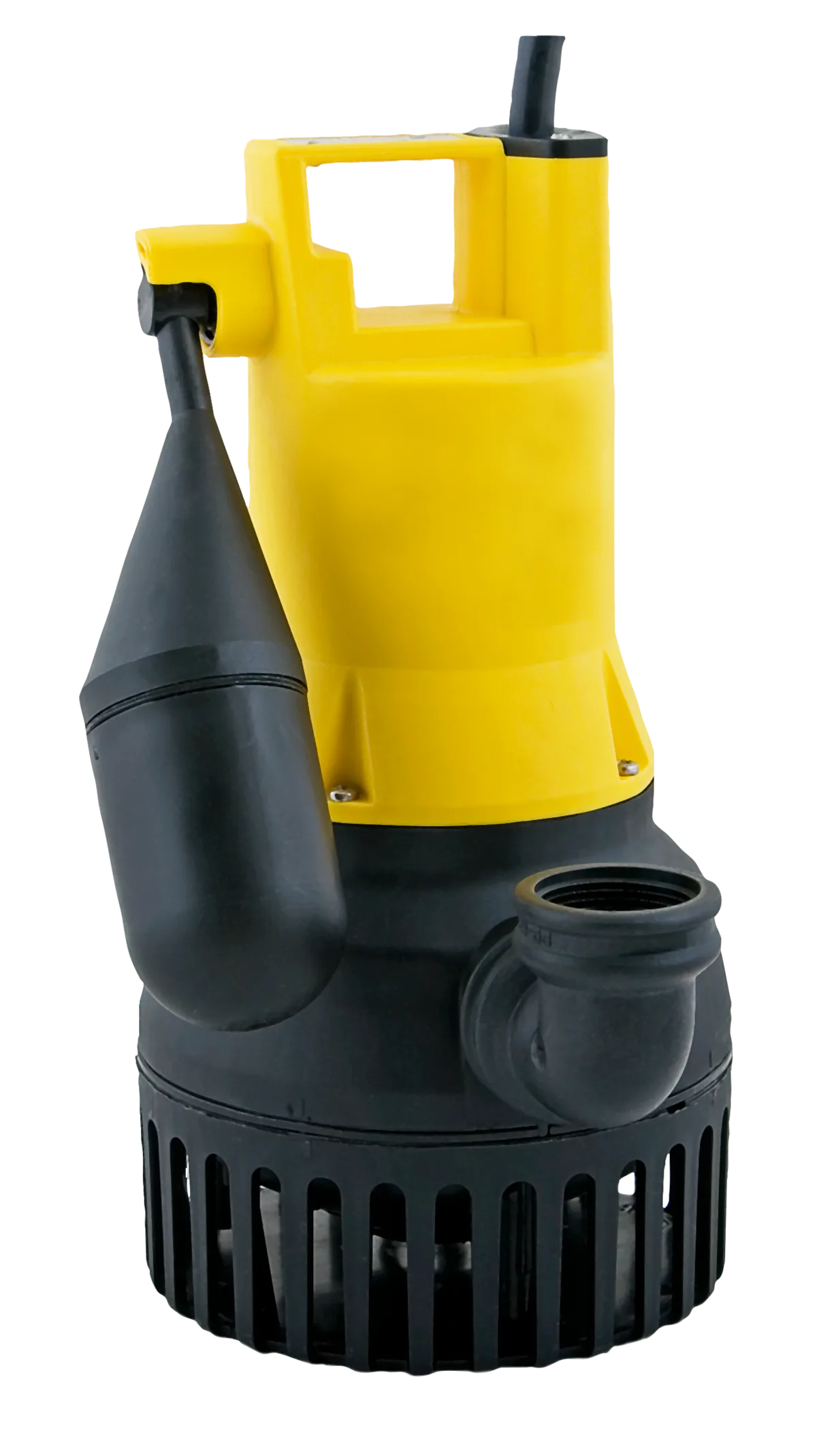
Image source: Wikimedia Commons / PumpExpert (CC BY-SA)
Remove the discharge pipe coupling carefully to extract the pump. Lift the unit straight up to avoid damaging the float switch tether. Place it in a bucket or tub for cleaning.
Clean the intake screen and impeller housing with a garden hose. Sediment buildup is the leading cause of motor burnout. Check the weep hole for blockages that cause air locks.
Inspect the float switch travel path for obstructions. Debris often jams mechanical switches in the down position. Electronic sensors need wiping to remove mineral deposits.
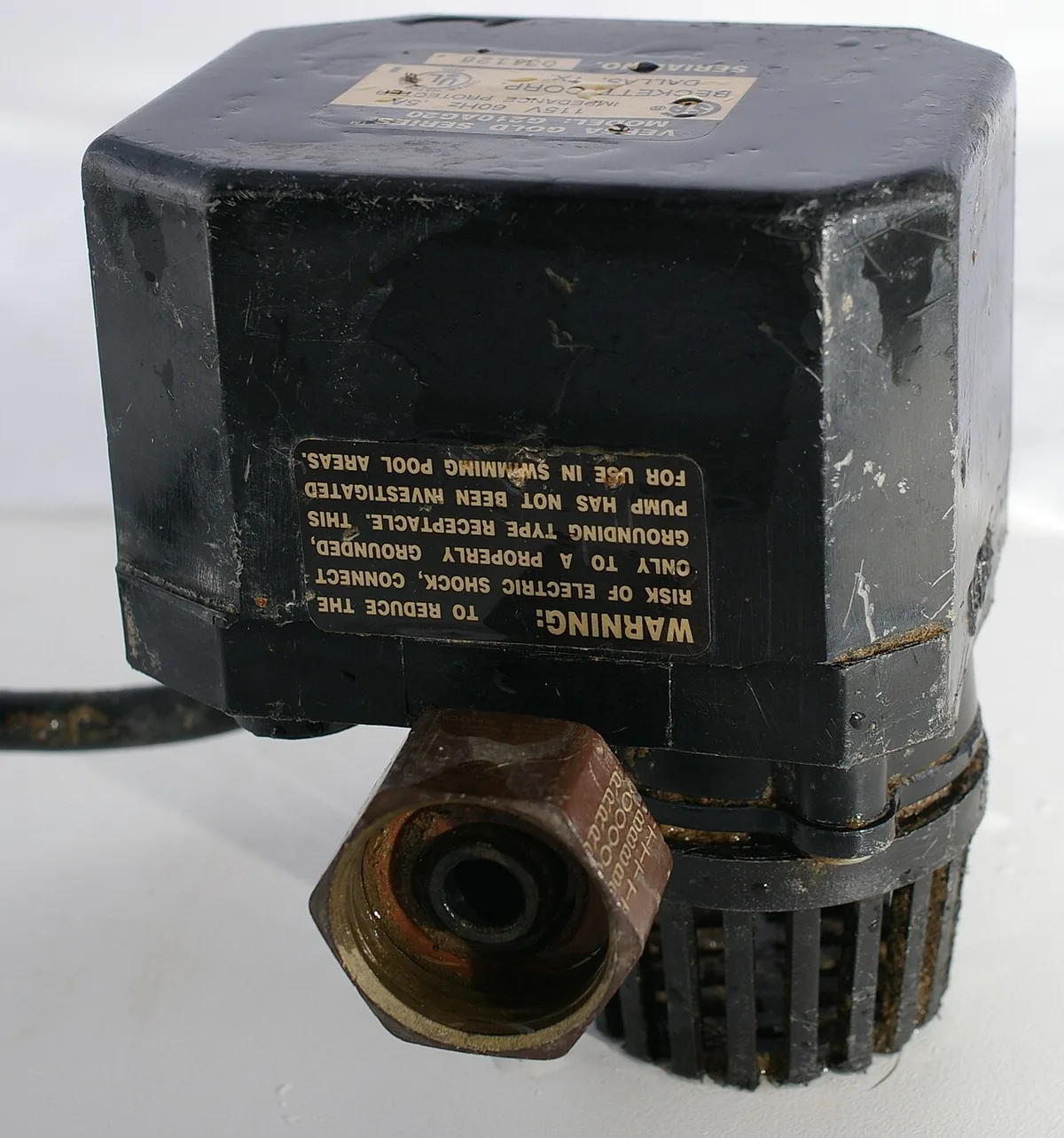
Image source: Wikimedia Commons / Hustvedt (CC BY-SA)
Test the check valve by blowing through it from the pump side. It should allow airflow one way only. Stuck valves cause rapid cycling that destroys motors.
Reassemble connections and restore power to the dedicated circuit. Pour five gallons of water into the pit slowly. Watch for automatic activation and verify full discharge cycle completion.
| Task | Frequency | Warning Sign |
|---|---|---|
| Float switch test | Monthly | Pump runs continuously |
| Full pull cleaning | Quarterly | Unusual grinding noise |
| Check valve inspection | Biannual | Rapid on/off cycling |
| Backup battery load test | Annual | Alarm fails self-test |
If your system includes a battery backup, test it separately. Disconnect main power and run the backup under load. Replace batteries every two to three years regardless of apparent condition.
This systematic approach mirrors how professionals handle appliance diagnostics. Just like resolving an LG dryer fault code requires methodical testing, sump pumps demand structured verification. Skipping steps invites failure when you need the system most.
Critical Warning Signs and Mistakes That Lead to Basement Flooding
Rapid cycling indicates a failing check valve or stuck float switch. The motor starts and stops multiple times per minute. This pattern burns out capacitors within days.
Continuous running suggests a blocked discharge line or frozen pipe. Exterior termination points freeze solid in winter climates. Heat tape or insulated covers prevent this common failure mode.
Grinding noises signal bearing wear or impeller damage. These sounds mean immediate replacement is necessary. Running a damaged pump risks complete seizure during storms.
Silent failure is the most dangerous scenario. Pumps can fail without any audible warning signs. Monthly manual tests are the only way to verify operation.
Many homeowners incorrectly assume newer pumps need less attention. Modern electronic switches actually require more frequent cleaning than mechanical ones. Mineral deposits foul sensor contacts regularly.
Ignoring manufacturer service intervals voids warranty protection. Keep detailed logs of every inspection and repair. Photos of cleaned components provide additional documentation.
Some mistakes involve improper reassembly after cleaning. Loose couplings leak water back into the pit. Overtightened fittings crack plastic housings over time.
Treating symptoms instead of root causes wastes money. Replacing pumps repeatedly without fixing underlying issues is expensive. Address drainage problems and sediment sources first.
Think of this like interpreting diagnostic codes on appliances accurately. Misreading symptoms leads to wrong repairs and wasted effort. Correct diagnosis saves both time and money.
Frequently Asked Questions
How often should I test my sump pump?
Test your sump pump monthly by pouring water into the pit. Perform a full pull-out cleaning every quarter. Annual professional inspections add another layer of protection.
Consistent testing catches failures before storms arrive.
What causes a sump pump to run continuously?
Continuous running usually means a stuck float switch or blocked discharge line. Check the exterior termination point for ice or debris. Clean the intake screen and verify switch movement.
Replace the switch if cleaning doesn’t resolve it.
Do I need a battery backup for my sump pump?
Battery backups are essential in areas with frequent power outages. They provide critical protection during storms when grid failures coincide with heavy rain. Test backup systems monthly and replace batteries every two to three years.
Can I maintain my sump pump myself?
Most homeowners can handle basic quarterly maintenance safely. Always disconnect power first and follow manufacturer guidelines. Call professionals for electrical issues or complex repairs.
Document all work for warranty purposes.
Why does my sump pump make grinding noises?
Grinding indicates worn bearings or damaged impellers. Stop using the pump immediately to prevent total failure. Replacement is usually more cost-effective than repair.
Install a new unit before the next storm season.