
Knowing how to prevent a sump pump from air locking saves your motor from burning out during heavy storms. An air lock happens when trapped air in the discharge pipe blocks water flow, causing the pump to run dry and overheat.
Per Hydraulic Institute standards, a 3/16-inch weep hole drilled between the pump and check valve relieves this pressure reliably. Getting the placement wrong renders the fix useless, so diagnosing your specific setup matters before you drill. Let’s walk through identifying the problem correctly first.
Is It an Air Lock? Diagnosing the No-Flow Symptom
An air lock occurs when the pump runs audibly but fails to move water through the discharge line. You will hear the motor humming or vibrating while the water level in the basin stays unchanged or rises. This differs from a clogged impeller, which often produces grinding noises or intermittent flow rather than steady silence.
The Quick Test: Sound, Vibration, and Water Level
Place your hand on the discharge pipe above the check valve while the pump runs. If the pipe feels cool and lacks vibration despite the motor running, air is likely trapped inside. A warm, vibrating pipe usually indicates water is moving but facing resistance elsewhere in the system.
Check the float switch operation next to rule out electrical faults. Manually lift the float to trigger a cycle and watch for immediate water movement. Delayed response or no movement with a confirmed power supply points toward hydraulic blockage rather than switch failure.
Ruling Out Frozen Lines and Clogged Impellers
Frozen discharge lines mimic air locks perfectly but occur only in freezing temperatures. Inspect exterior pipe sections for ice buildup or frost if outdoor temps are below 32°F. Thawing the line resolves the issue immediately, whereas true air locks persist regardless of ambient temperature.
Clogged impellers create similar symptoms but typically follow debris-heavy flooding events. Remove the pump housing to inspect the intake screen and impeller chamber for sediment. Clearing physical obstructions restores flow, confirming the problem was mechanical blockage rather than trapped air.
The Decision Tree: Choosing Your Fix Based on System Setup
Your repair path depends entirely on your current discharge configuration and symptom history. There is no universal fix because each system has unique pressure dynamics and component layouts. Follow the branches below to identify which solution matches your exact situation.
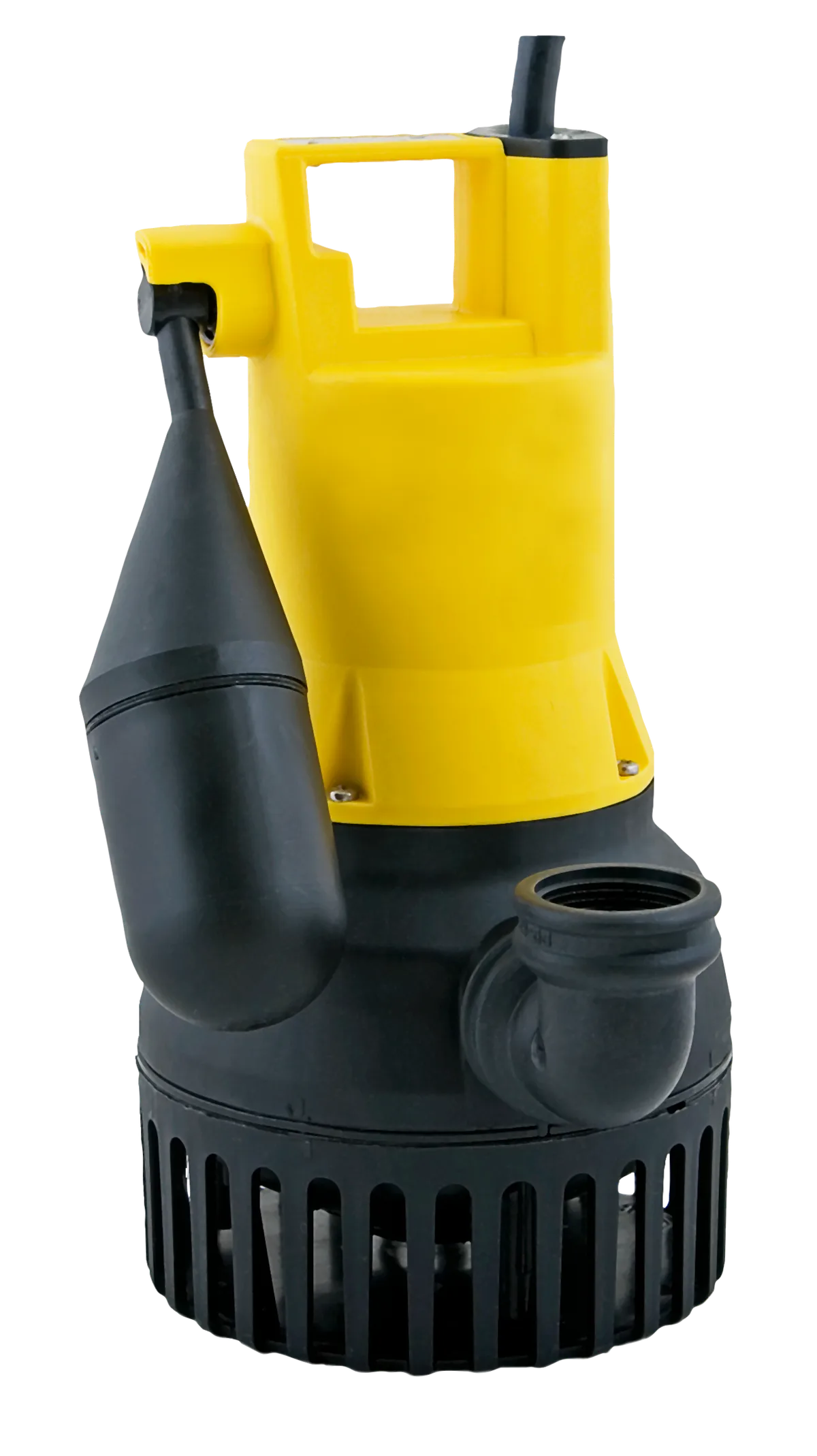
Image source: Wikimedia Commons / PumpExpert (CC BY-SA)
Branch A: New Install or Missing Weep Hole (Drill Relief Hole)
If your system lacks a visible relief hole between the pump and check valve, drilling one is mandatory. This applies to all new submersible installations per manufacturer specifications as of 2026. Skip this step and you risk voiding warranties while guaranteeing future air lock failures.
Use a 3/16-inch drill bit positioned at a 45-degree downward angle into the PVC pipe. The hole must sit below the check valve but above the pump union connector. Drilling above the valve defeats the purpose entirely since air cannot escape past the closed flapper.
Branch B: Existing Weep Hole Not Working (Check Valve & Sizing Check)
Systems with existing weep holes that still air lock usually have undersized holes or stuck valves. Measure your current hole diameter with calipers to verify it meets the 3/16-inch minimum standard. Holes smaller than 1/8-inch frequently clog with mineral deposits within months of installation.
Inspect the check valve swing mechanism for debris or corrosion preventing full closure. A partially open valve allows water backflow that reintroduces air during off cycles. Cleaning or replacing faulty valves often resolves persistent issues without modifying pipework further.
Branch C: Persistent Air Locks Despite Venting (Upgrade to Vented Valve)
Chronic air locking despite correct weep holes suggests inadequate head pressure or excessive vertical lift. Standard relief holes cannot overcome systems exceeding 10 feet of static head without assistance. Upgrading to a dedicated vented check valve provides continuous air evacuation independent of hole size limitations.
Vented valves integrate internal air release channels that operate automatically during each cycle. They cost more upfront but eliminate guesswork for high-lift applications where DIY fixes fail repeatedly. Consult pump performance curves to confirm your model supports the added flow resistance before upgrading.
Image source: Wikimedia Commons / U.S. Air Force photo by Airman 1st Class Arnet Tamayo
How to Drill a Weep Hole Correctly Without Flooding Your Basin
Proper technique prevents water spray damage and ensures reliable air release long term. Rushing this step causes messy basins and ineffective repairs that require rework. Take time to measure twice and drill once with the right tools ready.
Exact Placement, Angle, and Bit Size Specs
Mark your drill point precisely between the pump discharge port and check valve body. Maintain at least 2 inches of clearance from both fittings to avoid structural weakness. Use a center punch to create a starter dimple that prevents bit wandering on smooth PVC surfaces.
Drill at a 45-degree downward angle pointing toward the basin interior. This directs any water spray back into the pit instead of soaking nearby walls or equipment. Never drill perpendicular to the pipe wall since horizontal streams cause unnecessary moisture damage over time.
Testing the Cycle and Adjusting Float Switches
Run the pump immediately after drilling to verify air escapes and water flows freely. Watch for steady stream discharge from the weep hole during startup followed by reduced flow once primed. Continuous high-pressure spray indicates the hole is oversized and needs partial plugging with epoxy.
Adjust float switch height if short cycling occurs post modification. The added relief hole slightly reduces system pressure, potentially triggering faster shutoff thresholds. Fine tuning ensures optimal cycle length without sacrificing air lock protection benefits.
Critical Safety Steps Before Touching the Discharge Pipe
Disconnect power at the GFCI outlet or breaker panel before any drilling work begins. Water and electricity proximity demands zero tolerance for safety shortcuts during this procedure. Verify circuit deactivation with a non-contact voltage tester before handling wet components.
Wear eye protection and gloves when drilling PVC to shield against plastic shards and contaminated water. Sump basin contents contain bacteria and chemicals that irritate skin and eyes upon contact. Clean all tools and surfaces with disinfectant after completing the repair to maintain hygiene standards.
Common Mistakes That Cause Repeat Air Locks
Even experienced DIYers make errors that undermine their repair efforts completely. Avoiding these pitfalls saves hours of frustration and prevents costly pump replacements. Most repeat failures trace back to one of these preventable oversights during initial installation.
Drilling Above the Check Valve or Using the Wrong Bit
Placing the weep hole above the check valve is the single most common fatal error. Air trapped below the valve cannot reach an upper hole, rendering it functionally useless. Always verify placement relative to valve orientation before committing to any drill marks.
Using bits larger than 1/4-inch creates excessive water loss and potential motor strain. Oversized holes reduce system pressure enough to impair lifting capacity on taller vertical runs. Stick to 3/16-inch as the safe default unless manufacturer specs explicitly allow larger diameters for your model.
Ignoring Vertical Lift Limits and Pipe Diameter Mismatches
Pumps rated for 7-foot lifts cannot handle 12-foot installations regardless of venting adequacy. Exceeding head pressure specifications guarantees air lock recurrence even with perfect weep hole execution. Match pump capacity to actual measured lift height plus friction losses from pipe length and fittings.
Undersized discharge pipes increase friction loss dramatically compared to manufacturer recommendations. Running 1.5-inch pipe on a pump designed for 2-inch output creates artificial restrictions that trap air bubbles. Upgrading pipe diameter often solves chronic problems that multiple venting attempts failed to address previously.
Frequently Asked Questions
Can I drill a weep hole in an existing PVC pipe without removing it?
Yes, you can drill safely in place if you stabilize the pipe first. Clamp the section firmly to prevent cracking from drill pressure or vibration. Use slow speed with steady pressure to avoid grabbing and spinning the pipe unexpectedly.
Always confirm power is disconnected before starting any work near water sources.
How often should I check my sump pump weep hole for clogs?
Inspect the relief hole every three to four months during routine maintenance cycles. Mineral deposits and sediment accumulate faster in hard water areas or after heavy flooding events. Clear blockages immediately using a small wire or pin to maintain consistent air release function.
Neglecting this simple check invites preventable air lock failures during critical storms.
Does a pedestal pump need a weep hole like submersible models?
Pedestal pumps rarely require weep holes since their motors sit above water level. Air locks primarily affect submerged units where trapped air prevents impeller priming entirely. Check your specific pedestal model manual to confirm whether venting applies.
Most manufacturers exclude this requirement for non-submerged designs due to different hydraulic principles.
Will drilling a weep hole void my sump pump warranty?
Most manufacturers explicitly require weep holes for warranty compliance on submersible models. Failing to install one typically voids coverage for motor burnout claims related to dry running. Review your product manual or contact support to verify exact specifications for your unit.
Proper installation following documented guidelines protects both performance and warranty status simultaneously.
What size drill bit works best for most residential sump pumps?
A 3/16-inch bit suits nearly all standard residential submersible pumps under 1/2 horsepower. This diameter balances adequate air release with minimal water loss during normal operation. Larger pumps exceeding 3/4 horsepower may require 1/4-inch holes per manufacturer specs.
Always consult your installation manual before deviating from industry standard sizing recommendations.