
Figuring out how to reduce vibration from a sump pump discharge pipe starts with identifying the exact source. You cannot fix noise or shaking until you know if it comes from the motor, loose piping, or hydraulic shock. Guessing leads to wasted money on foam that does nothing for mechanical issues.
Manufacturer specifications and plumbing codes like the IPC require proper support spacing every four feet horizontally to prevent structural transfer. We will walk through a diagnostic workflow to match your specific symptom with the right mechanical solution. This targeted approach saves time and ensures lasting results as of 2026.
how to reduce vibration from a sump pump discharge pipe
Reduce vibration by isolating the pump motor with flexible couplings. Secure loose pipes using rubber-lined hangers spaced correctly. Replace standard check valves with silent spring-loaded models.
Add water hammer arrestors if shock waves cause banging. Diagnose the specific source before buying any parts.
Diagnose the Vibration Source Before Buying Parts
Motor Hum vs. Pipe Rattle vs. Water Hammer Shock
Vibration usually falls into three distinct categories that require different fixes. Continuous low-frequency humming typically indicates motor vibration transferring directly into rigid PVC piping. Sharp rattling sounds mean the discharge line is physically striking floor joists or wall studs during operation.
A loud thud or bang at shutoff signals water hammer caused by a slamming check valve. This hydraulic shock creates intense pressure spikes that shake the entire assembly. Identifying which type you have prevents unnecessary repairs.
Treating water hammer with pipe insulation will never solve the underlying pressure problem.
The Touch Test: Finding Structural Contact Points
Run your hand along the discharge pipe while the pump cycles to feel for movement. Any section vibrating against wood framing needs immediate isolation or repositioning. Pay close attention to areas where pipes pass through holes in joists or rim boards.
These penetration points are prime locations for noise amplification.
Check existing plastic straps or metal hangers for tightness and wear. Loose fasteners allow the pipe to oscillate freely within the bracket. Over-tightened straps can also transmit vibration by compressing the pipe against the wood.
Proper troubleshooting requires checking both extremes of mounting tension.
When Vibration Signals Pump Failure
Excessive shaking sometimes points to internal mechanical wear rather than installation flaws. Worn bearings or a damaged impeller create imbalance that no amount of external damping can fix. If vibration persists after securing all pipes and isolating connections, inspect the unit itself.
Cavitation from air leaks or clogged intakes also causes violent shaking.
Consult manufacturer guidelines for acceptable vibration limits before assuming the worst. Some older pedestal pumps naturally run rougher than modern submersible units. Replacing worn internal components restores smooth operation better than adding external band-aids.
Always rule out mechanical failure before spending hours on plumbing modifications.
Targeted Fixes Based on Your Specific Symptom
Isolating the Pump Motor from the Discharge Line
Installing a flexible PVC coupling between the pump outlet and rigid pipe breaks the vibration path. This rubber connector absorbs motor oscillation before it reaches the house framing. Ensure the coupling is rated for your system’s head pressure and flow rate.
Standard Fernco fittings work well for most residential sump applications.
Avoid using corrugated hose as a permanent vibration isolator. These hoses restrict flow and trap debris over time. A dedicated flexible union provides superior acoustic decoupling without sacrificing hydraulic performance.
This single upgrade often yields the most significant noise reduction for minimal cost.
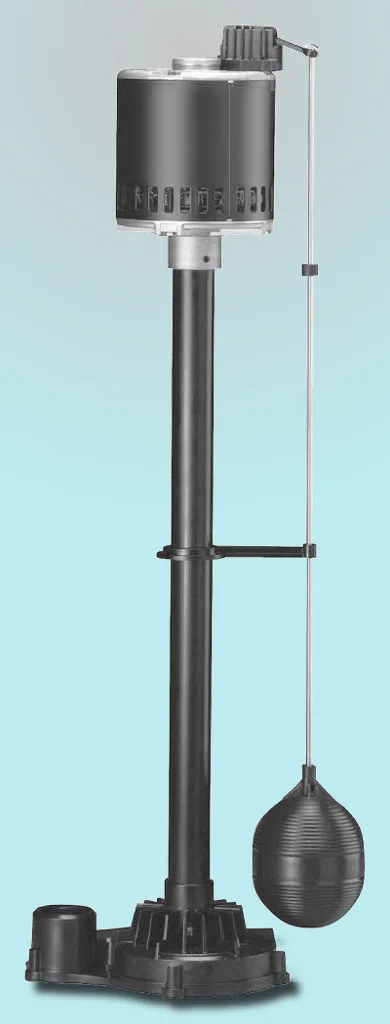
Image source: Wikimedia Commons / Own work (CC BY-SA)
Securing Loose Pipes with Anti-Vibration Hangers
Replace hard plastic clips with rubber-lined clamps designed specifically for drainage systems. These cushioned supports grip the pipe firmly while absorbing residual energy. Space horizontal supports every four feet per International Plumbing Code standards.
Vertical runs need support every ten feet to prevent sagging and resonance.
Ensure hangers allow slight axial movement for thermal expansion. Rigidly locking the pipe prevents natural shifting and creates new stress points. Use adjustable clevis hangers for precise alignment without crushing the pipe wall.
Proper support eliminates rattle without introducing constriction noise. For broader home maintenance insights, our appliance upkeep guide covers similar vibration principles.
Silencing Check Valve Slam and Water Hammer
Swap old swing-style valves for spring-loaded silent check valves. These close gradually as flow decreases instead of dropping shut instantly. The controlled closure prevents the pressure surge that shakes pipes and fittings.
Install the valve vertically above the pump for optimal performance.
Add a water hammer arrestor if banging continues after valve replacement. This device contains an air chamber that cushions sudden pressure stops. Place it as close to the check valve as possible for maximum effectiveness.
Hydraulic shock damages joints over time, so fixing this protects your entire system. Understanding diagnostic codes in other appliances follows similar logic of matching symptoms to root causes.
Breaking the Sound Path with Flexible Couplings
Use two flexible couplings if vibration travels far along long horizontal runs. One near the pump handles motor isolation while another mid-run dampens wave propagation. This dual-point strategy prevents resonance buildup in extended piping sections.
Keep straight rigid pipe between couplings to maintain structural stability.
Never install flexible connectors directly adjacent to each other. They need rigid separation to function properly and avoid collapse under pressure. Verify that all couplings meet ASTM F876 standards for material compatibility.
Proper placement maximizes acoustic benefit without compromising drainage integrity.
Installation Mistakes That Make Vibration Worse
Over-Tightening Straps and Creating New Resonance
Cranking down pipe straps too tightly transfers vibration directly into framing members. The pipe should be snug but able to slide slightly during thermal cycles. Excessive compression deforms PVC and creates contact noise at the strap interface.
Use torque-limited tools or hand-tighten only until resistance is felt.
Metal straps without rubber lining act as sound bridges rather than isolators. Even small gaps between pipe and wood amplify certain frequencies. Always use cushioned hardware designed for plastic drainage piping.
Correct tension holds the pipe steady without creating a rigid mechanical link.
Using the Wrong Type of Check Valve for Vertical Runs
Horizontal swing valves installed vertically fail to seal properly and chatter loudly. Gravity cannot assist closure in vertical orientation, causing repeated slamming. Spring-loaded valves work in any position because internal force drives the disc.
Check manufacturer markings for approved installation orientation before purchasing.
Mismatched valve size also causes turbulence and vibration. A 2-inch valve on 1.5-inch pipe creates flow restriction and cavitation risk. Always match valve diameter exactly to your discharge line size.
Proper sizing ensures smooth laminar flow and quiet operation. Troubleshooting flow sense errors in dryers similarly depends on correct component matching.
Ignoring Proper Slope and Air Pocket Formation
Discharge lines must maintain consistent upward slope toward the exterior exit. Flat spots or dips trap air that compresses and expands during pump cycles. This pneumatic cushion causes erratic flow and pulsating vibration.
Verify grade with a level during installation or retrofit work.
Air pockets also reduce effective pipe diameter and increase velocity noise. Trapped gas accelerates water flow locally, creating turbulence downstream. Vent high points if slope correction is impossible due to structure.
Eliminating air accumulation stabilizes flow and reduces dynamic shaking.
Safety Checks and Code Compliance for Discharge Lines
Always disconnect power before working on sump pump plumbing. Water and electricity present serious shock hazards in basement environments. Verify local plumbing codes regarding backflow prevention and discharge location.
Some jurisdictions require specific valve types or air gap installations.
Ensure modifications do not void equipment warranties or insurance coverage. Manufacturer specs often dictate acceptable materials and connection methods. Document changes with photos for future reference or inspections.
Safe installation protects both your home and personal wellbeing. Similar safety awareness applies when interpreting error notifications on household equipment.
Common Questions About Sump Pump Vibration
Can foam pipe wrap stop sump pump vibration?
Foam wrap only reduces airborne noise, not structural vibration transmission. It helps muffle sound radiating from the pipe surface. Mechanical isolation through flexible couplings and rubber hangers addresses actual shaking.
Use foam as a secondary treatment after fixing primary vibration sources.
Why does my sump pump vibrate only at startup?
Initial torque surge causes momentary motor lurch that shakes loose components. Worn bearings or misaligned impellers exaggerate this startup transient. Check mounting bolts and flexible coupling condition first.
Persistent startup vibration often signals impending motor failure requiring replacement.
Is some sump pump vibration normal?
Minor hum during operation is expected for most residential units. Violent shaking, rattling, or loud banging indicates problems needing attention. Compare current behavior to baseline performance when system was new.
Significant changes warrant inspection regardless of absolute vibration level.
How often should I check sump pump mounts?
Inspect hangers and isolators annually during routine maintenance visits. Rubber components degrade over time and lose damping effectiveness. Tighten loose fasteners and replace cracked or compressed cushions immediately.
Regular checks prevent minor issues from becoming major failures. Our troubleshooting resource offers parallel maintenance scheduling advice.
Does pipe material affect vibration levels?
PVC transmits high-frequency vibration more readily than ABS plastic. Corrugated polyethylene dampens noise but restricts flow significantly. Material choice impacts both acoustic performance and hydraulic efficiency.
Consider trade-offs when selecting replacement piping for noisy systems.