
If you're figuring out how to reset d90 code on lg dryer, you've probably just pulled a load of damp clothes out of the drum. That error isn't a random glitch. It means your machine's airflow is severely restricted.
Per the National Fire Protection Association, clogged dryer vents cause thousands of home fires every year. LG's own diagnostics trigger this specific alert when the exhaust system drops below 150 CFM for multiple cycles. Let's walk through exactly what that means and how to clear it safely.
how to reset d90 code on lg dryer
To reset the D90 code, unplug your LG dryer completely. Leave it disconnected from power for fifteen minutes. Clean the lint filter and check the exhaust vent hose.
Plug the dryer back in to finish the reset.
What the D90 Code Means on Your LG Dryer
The D90 error code on an LG dryer indicates a 90 percent blockage in the exhaust vent system. The internal moisture sensor detects poor airflow and shuts down the heating element. This prevents the drum from overheating while tumbling wet laundry.
This isn't a standard mechanical failure. The control board actively monitors air pressure during every cycle. If it senses restricted airflow across consecutive runs, it locks out the heater.
You'll see D90 flashing on the electronic display panel.
Manufacturer specifications confirm that rigid metal ducts provide the best airflow. Flexible foil hoses collapse easily and trap lint inside their ridges. If your laundry room uses a plastic or foil hose, that's likely your root problem.
Many homeowners confuse this with other diagnostic alerts. A D90 strictly points to ventilation issues. Other codes like F70 relate to thermistor faults, which require entirely different repairs.
Knowing the exact meaning saves you time and unnecessary service calls.
You can find detailed troubleshooting steps for various appliances on our home repair hub. Understanding these specific error definitions keeps you from replacing parts that are perfectly fine.
How to Reset the D90 Code (Step-by-Step Process)
Clearing this error requires fixing the physical restriction first. You cannot simply press a button to bypass the safety logic. Follow this exact sequence to restore normal operation.
| Step | Action | Purpose |
|---|---|---|
| 1 | Unplug the dryer | Cuts power to the control board |
| 2 | Remove the lint filter | Clears the primary airflow barrier |
| 3 | Detach the vent hose | Exposes the ductwork for inspection |
| 4 | Vacuum the exhaust path | Removes trapped lint and debris |
| 5 | Wait 15 minutes | Allows the thermal fuse to cool |
| 6 | Reconnect everything | Restores the sealed ventilation loop |
| 7 | Run an empty heat cycle | Confirms the code has cleared |
Start by pulling the power cord from the wall outlet. Don't just turn off the breaker if you can reach the plug directly. The control board needs a complete loss of power to clear its temporary memory cache.
Next, pull out the lint screen. Wash it with warm water and mild soap if it looks coated in residue. Fabric softener sheets leave an invisible film that blocks air over time.
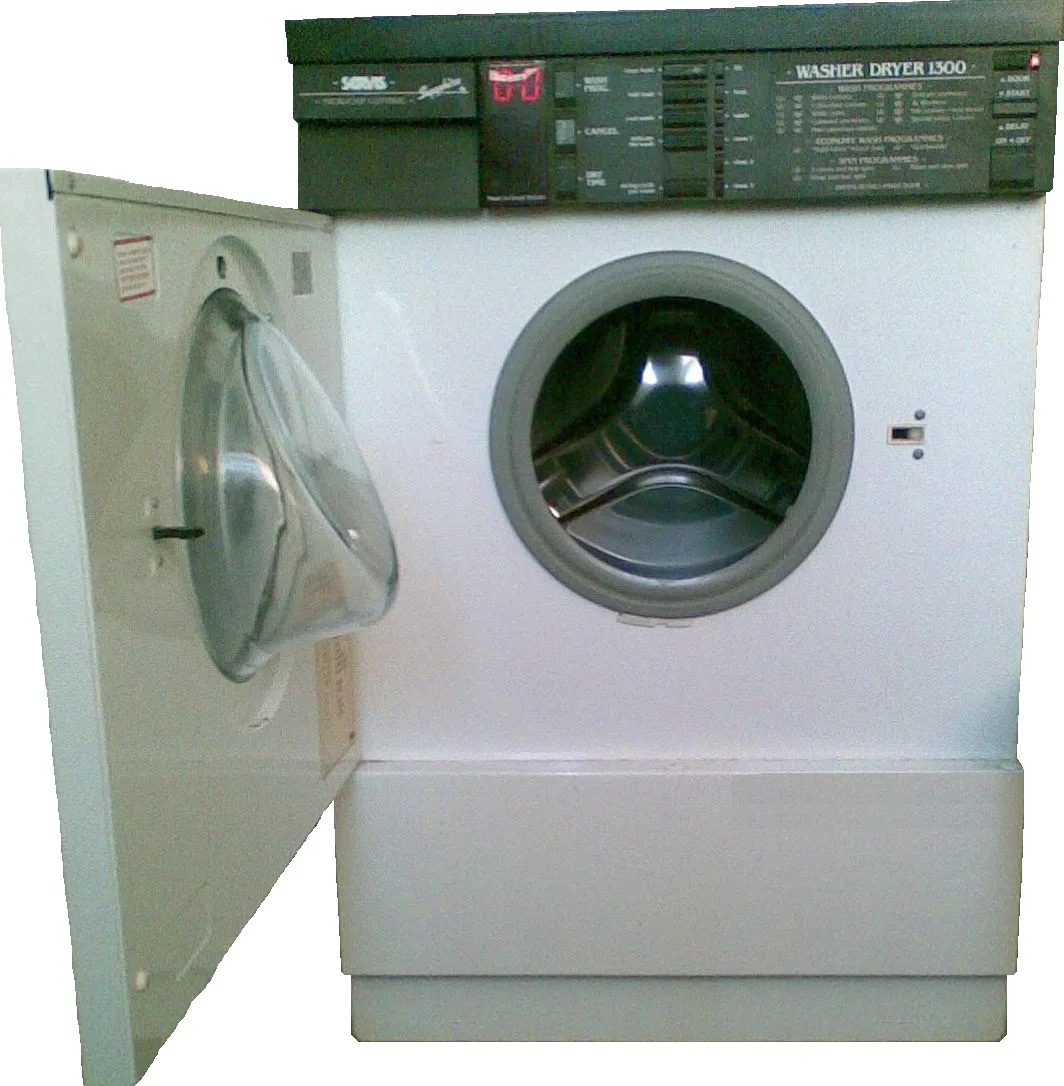
Image source: Wikimedia Commons / ServisSapphire (CC BY-SA)
Disconnect the four inch exhaust hose from the back of the machine. Look inside the wall duct and the hose itself. Use a shop vacuum or a specialized brush kit to pull out accumulated lint.
Reattach the hose securely using metal foil tape. Avoid standard duct tape because the adhesive melts under high heat. Once everything is sealed, wait at least fifteen minutes before plugging the unit back in.
Power it up and select a timed dry cycle. Let it run empty for ten minutes. If the D90 stays off the display, your hard reset worked.
Keeping household appliances running smoothly takes regular attention, much like maintaining outdoor power equipment for peak performance.
Common Mistakes That Prevent a Clean Reset
People often rush the process and miss critical steps. The most frequent mistake is assuming the reset clears the underlying issue. If you don't physically remove the blockage, the code returns immediately.
Another common error involves ignoring the exterior vent cap. Birds build nests in them. Debris blows against the louvers.
If the outside flap won't open fully, the indoor airflow remains choked regardless of what you do inside.
Using the wrong materials causes endless headaches. International Residential Code standards mandate smooth, rigid metal ducts for safe venting. Cheap flexible vinyl hoses sag and create pockets where lint collects rapidly.
Some users try to force a reset by repeatedly pressing buttons on the control panel. This doesn't work on modern LG models. The system requires a full power interruption to recalibrate the sensors.
Skipping the lint screen wash is another oversight. A filter that looks clean might actually be clogged with dissolved fabric softener. Hold it up to a light source.
If you can't see through the mesh, water needs to pass through it.
Finally, pushing the dryer too close to the wall crushes the vent hose. You need at least four inches of clearance behind the unit. A kinked hose restricts air just as badly as a solid clog.
We frequently review appliance maintenance practices to help readers avoid these exact pitfalls.
When the D90 Code Keeps Coming Back (Root Cause Troubleshooting)
If the error returns after a proper reset, you have a deeper problem. Start by measuring your total vent length. LG recommends keeping the exhaust run under eight feet for optimal performance.
Every ninety degree bend reduces that maximum allowable distance significantly.
Check the thermal fuse next. This small component sits near the blower housing. If the dryer overheated previously, the fuse might be failing intermittently.
You can test it for continuity using a basic multimeter.
A failing moisture sensor also triggers false airflow warnings. These metal strips sit inside the drum just below the lint screen slot. Wipe them down with rubbing alcohol.
Mineral deposits from hard water trick the board into reading incorrect humidity levels.
Sometimes the issue originates outside your control. Shared laundry rooms in apartment buildings often feature undersized main exhaust lines. Multiple machines venting simultaneously overwhelm the shared ductwork.
Aggregate reviews report this frequently in older multi unit housing.
Consider upgrading your vent material if you still use flexible tubing. Rigid aluminum pipes cost slightly more upfront but eliminate sagging. They also make future cleaning drastically easier.
If you have ruled out every physical obstruction, the electronic control board itself might be faulty. Power surges damage the relays that read sensor data. At that point, professional diagnostics become necessary.
Finding reliable replacement appliance parts ensures you get components that match original factory specifications.
Safety Tips Before You Start Resetting Your Dryer
Always disconnect the power supply before touching internal components. Electric dryers run on 240 volt circuits. That voltage causes severe injury if you contact live terminals while reaching behind the drum.
Gas models introduce additional risks. Turn off the gas supply valve before moving the machine. Pulling the unit away from the wall can stress or crack the flexible gas line.
Check those fittings for leaks with soapy water when you push it back.
Never run your dryer without the vent hose attached. Lint blows directly into your laundry room walls. That creates a massive fire hazard and coats everything in fine dust.
Keep the area around the exterior vent clear. Trim bushes blocking the hood. Stack firewood away from the opening.
Proper clearance prevents exhaust gases from backing up into the house.
Follow guidelines published by the Consumer Product Safety Commission regarding routine appliance upkeep. Their data consistently highlights blocked vents as the leading cause of residential dryer fires.
Don't leave the machine running while you sleep or leave the house. If a restriction develops mid cycle, you want to be present to hear the alarm. Catching a thermal event early prevents property damage.
Regular appliance safety checks help you catch these risks before they become emergencies.
Maintenance Practices to Prevent Future D90 Codes
Preventing this error long term requires consistent upkeep habits. The single most effective habit is cleaning the lint filter after every single load. Even lightly used dryers accumulate enough debris to restrict airflow gradually over weeks.
Most people wait until the filter looks obviously dirty. But microscopic fibers and invisible oils build up between visible lint layers. Run the filter under running water monthly.
If water pools instead of draining through, replace it immediately.
Professional vent cleaning services typically cost between one hundred and two hundred dollars. That investment pays for itself by preventing emergency repairs or replacements. Experts recommend scheduling this service every twelve to eighteen months.
However, you can handle basic maintenance yourself between professional visits. Purchase a dryer vent cleaning brush kit for under fifty dollars. These flexible rods attach to a drill and scrub the ductwork from both ends.
Replace your exhaust hose every three years if it's flexible vinyl. Upgrade to two ply aluminum flex or rigid metal pipe. The upfront cost is higher but pays dividends in longevity and safety.
If you've recently upgraded major appliances like new laundry systems, now's the ideal time to pair them with proper venting infrastructure. We've seen too many installations go sideways because the venting was an afterthought. Proper planning and routine care keep your LG dryer running efficiently for years to come.