
Setting up a Harvest Right freeze dryer correctly is the key to consistent, high-quality freeze-dried food. This comprehensive guide covers everything from choosing the ideal location and unboxing your machine to loading trays and starting your first freeze-drying cycle. Whether you're preserving garden harvests or building emergency food storage, following these verified steps will help you avoid common mistakes and get reliable results from day one.
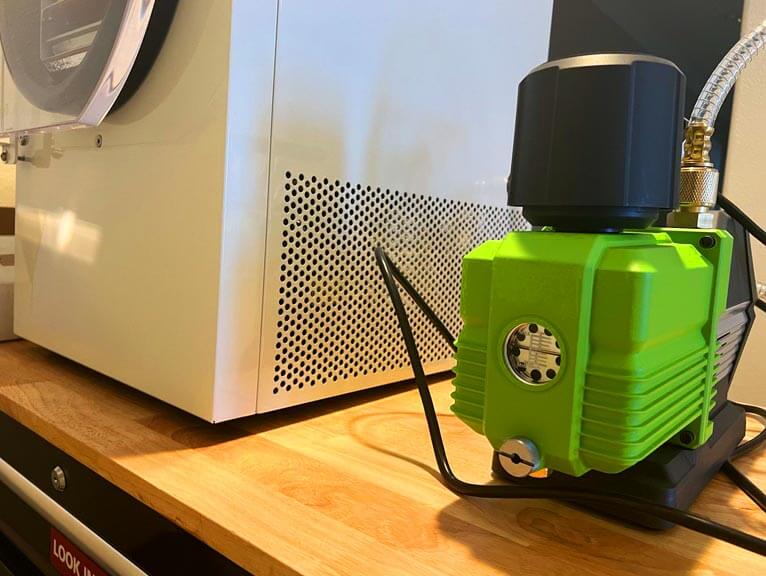
A Harvest Right large home freeze dryer ready for setup in a residential kitchen.
Why Proper Setup Matters
Before diving into the technical steps, it's worth noting why setup matters so much. Improper placement, loose connections, or incorrect electrical setup can lead to uneven drying, failed batches, or premature wear on the machine. In practice, I've seen users skip basic steps like checking vacuum seals or allowing proper ventilation, which leads to recurring issues that could have been avoided entirely. For further reading, see harvestright.com.
The LG dryer troubleshooting guides on our site emphasize similar pre-checks — airflow, electrical connections, and environmental factors — because the principle is the same across drying appliances. Here's what you need to know.
Step 1: Choose the Right Location
Selecting the correct spot for your Harvest Right freeze dryer affects both performance and lifespan. Consider these critical factors:
Space Requirements:
- Allow at least 6 inches of clearance on all sides for airflow.
- Ensure the floor is level and stable to prevent vibration-related issues.
- Leave overhead clearance for opening the door fully during tray insertion and removal.
Electrical Setup:
- Most home models (4-tray and 5-tray) run on standard 110–120V outlets with a NEMA 5-15P plug.
- Commercial models may require a 240V NEMA 6-20R outlet — confirm your model’s specs before plugging in.
- Use a dedicated circuit whenever possible to prevent breaker trips during startup.
Ventilation & Environment:
- Place near a window or exhaust fan to help dissipate heat and moisture buildup.
- Maintain ambient temperatures between 50°F and 90°F (10°C to 32°C) for optimal performance.
- Avoid areas with high humidity or direct sunlight, which can reduce efficiency and strain internal components.
Step 2: Unbox and Assemble the Unit
Unboxing and initial assembly require care to avoid damaging delicate components.
What's Included:
- Main freeze dryer unit with chamber
- Stainless steel trays (quantity varies by model)
- Vacuum pump (if not pre-installed)
- User manual and quick-start guide
- Oil (for oil-based pumps only)
Assembly Checklist:
- Remove all packaging materials, including foam inserts and protective caps.
- Attach the vacuum pump according to the manufacturer’s instructions — typically involves connecting hoses and tightening clamps.
- Install the trays inside the chamber, ensuring they sit flat and aligned with the rack slots.
- Double-check all hose connections for tightness and proper routing.
A common mistake during assembly is over-tightening hose clamps or misaligning trays. Refer to the user manual for torque specifications, and always ensure trays don’t touch the chamber walls. For further reading, see fda.gov.
For more appliance setup tips, check out our guide on resetting the LG dryer D90 code for troubleshooting advice applicable here.
Step 3: Check Connections and Power Source
Before powering on your freeze dryer, verify all connections are secure and the electrical setup matches your unit's requirements.
Connection Checks:
- Confirm vacuum hoses are firmly connected with no kinks or cracks.
- Ensure the pump oil reservoir (if applicable) is filled to the correct level — usually indicated by a mark on the sight glass.
- Verify the power cord is fully inserted into both the unit and wall outlet.
Power Verification:
- Plug into a grounded outlet matching your model’s voltage requirements.
- For new installations, consider using a surge protector rated for motor loads to protect sensitive electronics.
If you're unsure about your electrical setup, consult a licensed electrician — especially for commercial units requiring 240V circuits.
Step 4: Understand the Control Panel and Default Settings
Modern Harvest Right freeze dryers come with touchscreen controllers that offer preset programs for common foods like fruits, vegetables, meats, and meals.
Key Controls:
- Home Screen: Displays current status, temperature, and remaining cycle time.
- Presets: Pre-programmed cycles optimized for specific food types.
- Manual Mode: Allows custom temperature and time adjustments — useful for experimental or specialty items.
- Settings Menu: Includes options for language, units, and firmware updates.
Spend a few minutes exploring the interface before starting your first batch. Familiarity prevents accidental changes mid-cycle and helps you respond quickly if adjustments are needed.
Like the detailed explanations found in our LG dryer error code resources, taking time to read up front saves headaches later.
Step 5: Prepare Food for Freeze Drying
Proper food prep is half the battle for achieving great freeze-dried results.
Cleaning & Prep Steps:
- Wash all food thoroughly under running water.
- Peel or trim inedible parts (e.g., fruit skins, fat on meats).
- Cut into uniform pieces — aim for ¼ to ½ inch thick for even drying.
- Blanch vegetables briefly in boiling water, then shock in ice water to preserve color and texture.
Pro Tips:
- Pat food dry with paper towels before placing on trays.
- Freeze food solid before loading — this shortens the freeze-drying cycle and improves quality.
- Avoid overloading trays; leave small gaps between pieces for airflow.
For reference, our article on cleaning the LG dryer vent highlights similar attention to detail that applies broadly to drying appliances.
Step 6: Load Trays Correctly
Loading trays properly ensures even airflow and prevents contamination between batches.
Best Practices:
- Arrange food in a single layer with minimal overlapping.
- Leave a ½ inch border around tray edges for sealing.
- Place wet or sugary items toward the center to avoid spillage during tilting.
- Stack trays carefully — ensure they’re seated fully in the rack grooves.
After loading, gently close the chamber door and hand-tighten the locking knobs in a crisscross pattern for even pressure.
Step 7: Start the Freeze-Drying Process
Once everything is in place, you’re ready to begin the cycle.
Starting the Cycle:
- Power on the unit using the main switch.
- Select the appropriate preset based on your food type.
- Tap “Start” to initiate the sequence — the machine will automatically enter freezing, then vacuum, then heating phases.
Monitoring Progress:
- Watch the display for stage transitions and estimated completion times.
- Listen for unusual noises or alarms — these often indicate issues like low oil or vacuum leaks.
- Note the final dryness by checking sample pieces — they should be brittle and snap cleanly.
Some users prefer adjusting parameters manually for specialty items. While the presets work well for most applications, experimentation can yield superior results with experience.
Step 8: Post-Cycle Care and Storage
After each cycle, proper cleanup extends your machine's life and prepares it for the next batch.
Post-Use Steps:
- Turn off the unit and allow it to depressurize completely.
- Remove trays and clean with warm soapy water or a dishwasher-safe alternative.
- Wipe down the chamber interior with a damp cloth — avoid abrasive cleaners.
- Store freeze-dried food in airtight containers with oxygen absorbers for long-term shelf life.
Regular maintenance checks — such as inspecting seals and replacing pump oil — keep your system running smoothly. Learn more in our guide covering LG dryer CL code issues for preventive maintenance insights applicable here.
Frequently Asked Questions
Do I need a special outlet for a Harvest Right freeze dryer?
Most residential models operate on standard 110–120V outlets, but commercial versions require 240V. Always verify your model's voltage requirement before plugging in.
What temperature should a Harvest Right freeze dryer be set at?
The freeze-drying process occurs at extremely low temperatures — typically below -25°F (-32°C) — controlled automatically by the machine's software. Manual overrides are rarely necessary unless drying specialty items.
Can I put a Harvest Right freeze dryer in the garage?
Yes, provided the space offers adequate ventilation and stays within safe operating temperatures. Avoid garages prone to freezing in winter or exceeding 90°F in summer.
How do I set up a Harvest Right freeze dryer?
Unpack all components, assemble the unit per the manual, connect hoses securely, plug into a compatible outlet, and follow on-screen prompts to run your first test cycle.
What are the electrical requirements for a Harvest Right freeze dryer?
Standard home models draw 15 amps on 120V circuits. Larger units may require 20+ amp circuits — consult your manual for exact specifications.
Final Thoughts
Setting up your Harvest Right freeze dryer correctly ensures years of trouble-free service and consistently excellent results. From choosing the right location and assembling components to loading trays and monitoring cycles, each step builds toward success. Don’t rush the process — taking extra time upfront pays dividends in fewer failed batches and better-tasting food down the road.
Ready to dive deeper? Explore our related guides on LG dryer fault codes and washer-dryer CD codes for additional appliance expertise and maintenance strategies.
With patience and practice, your Harvest Right freeze dryer becomes a powerful tool for food preservation, emergency preparedness, and culinary creativity. Start simple, learn as you go, and soon you'll master the art of perfect freeze-dried foods.