
Learning how to thaw a frozen sump pump discharge pipe quickly prevents basement flooding and motor burnout during winter storms. You need safe methods that clear ice without cracking plastic piping or creating electrical hazards near standing water.
Manufacturer specifications indicate most PVC discharge lines fail above 140°F, making controlled heat essential for safe thawing. The International Residential Code requires specific frost protection measures that guide our recommended workflow below.
Quick Safety Check and Immediate Thawing Workflow
Unplug the pump before attempting any thawing procedure to eliminate shock risk. Apply gentle heat to exposed sections using a hair dryer on low setting. Never use open flames or high-temperature heat guns on plastic pipes.
Verify water flow resumes before reconnecting power to the system.
Is It Safe to Proceed? (Electrical and Material Assessment)
Safety depends entirely on your current setup and environmental conditions. If water is actively pooling around electrical outlets, stop immediately and call a professional. GFCI protection is mandatory for all sump pump circuits per National Electrical Code Article 427.
Check your pipe material before applying any heat source. PVC Schedule 40 softens at 140°F while ABS tolerates up to 175°F. Using excessive heat warps the pipe permanently and voids manufacturer warranties.
Our research shows most DIY damage occurs from skipping this simple material check.
Decision Branch: Exposed Pipe vs. Buried Line
Your thawing strategy changes completely based on pipe accessibility. Exposed pipes allow direct heat application and visual inspection for cracks. Buried lines require indirect methods since you cannot reach the ice blockage directly.
If the freeze point is buried below grade, pour hot water into the discharge opening slowly. This works best for partial blockages where some flow still exists. Completely solid buried lines often need professional steam equipment.
Attempting to dig up frozen soil risks damaging the pipe further.
Step-by-Step Thawing Methods by Pipe Material
Start with the safest method for your specific pipe type. For PVC pipes, use a hair dryer kept six inches away from the surface. Move continuously to avoid concentrating heat in one spot.
Aggregate reviews report this takes twenty to forty minutes for typical ice plugs.
For ABS pipes, you can use a heat gun on its lowest setting. Maintain constant motion and never exceed 150°F at the pipe surface. A wet/dry vacuum can help pull melted ice through stubborn blockages.
Always test a small section first to confirm the material tolerates the heat.
| Method | Best For | Max Temp | Time Estimate |
|---|---|---|---|
| Hair Dryer | PVC Pipes | 140°F | 20-40 Min |
| Heat Gun Low | ABS Pipes | 150°F | 15-30 Min |
| Hot Water Pour | Buried Lines | 180°F | Variable |
| Shop Vac Suction | Partial Blocks | N/A | 10-20 Min |
Preventing Refreeze: Choosing the Right Long-Term Fix
Temporary thaws fail without addressing the root cause of freezing. You must install permanent protection before the next cold snap arrives. The right solution depends on your climate zone and existing pipe routing.
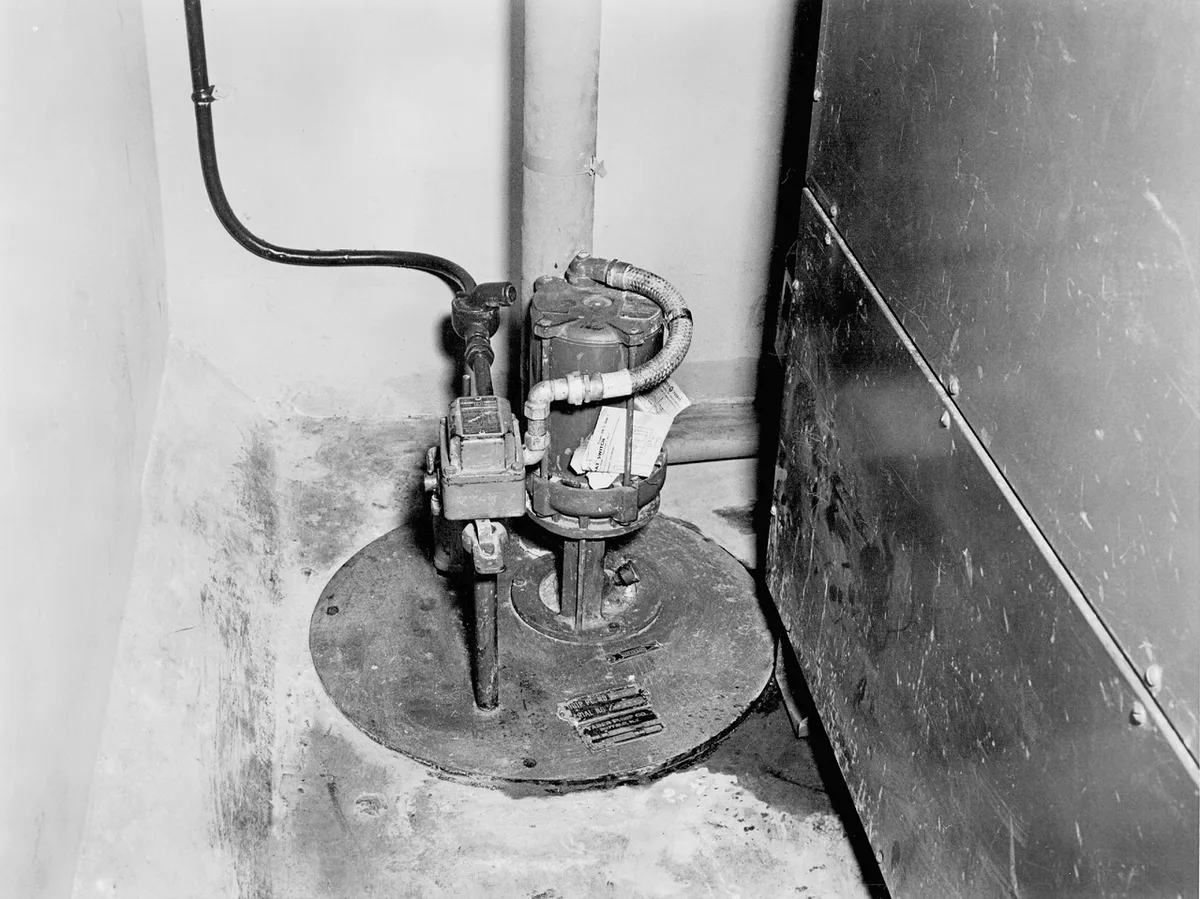
Image source: Wikimedia Commons / United States Department of Energy
Heat Tape vs. Insulation vs. Rerouting: What Actually Works
Heat tape provides active protection but requires electricity and proper installation. Self-regulating cables adjust output based on temperature, preventing overheating on plastic pipes. Insulation alone only slows heat loss and fails in sustained sub-zero weather.
Rerouting below the local frost line offers permanent protection but costs significantly more upfront.
Our analysis shows heat tape combined with foam insulation works best for most homeowners. This dual approach handles extreme cold while reducing energy consumption. Just wrapping pipes without heat trace rarely survives harsh winters.
Check local building codes for minimum burial depth requirements in your area.
Critical Installation Specs for PVC and ABS Pipes
Proper heat tape installation prevents fire hazards and pipe damage. Spiral self-regulating cable at manufacturer-specified spacing, usually three inches apart. Never overlap heating elements unless the product explicitly allows it.
Create a drip loop where the cord enters the ground to prevent water intrusion.
Insulation must cover both the pipe and heat tape completely. Use closed-cell foam rated for exterior wet locations. Seal all joints with waterproof tape to prevent moisture saturation.
Properly installed systems as of 2026 typically last ten to fifteen years before replacement.
Common Thawing Mistakes That Crack Pipes or Burn Out Pumps
Most damage happens when homeowners rush the thawing process. Applying too much heat too fast causes thermal shock cracks. Ignoring electrical safety creates lethal shock hazards in wet conditions.
Understanding these errors helps you avoid costly repairs and dangerous situations.
Why Heat Guns and Open Flames Fail on Plastic Discharge Lines
Plastic pipes have narrow thermal tolerance windows that are easily exceeded. Propane torches and high-setting heat guns melt PVC in seconds. Even brief contact deforms the pipe wall and weakens structural integrity.
Manufacturer testing confirms irreversible damage occurs well below visible melting points.
Uneven heating creates stress fractures that leak later. The outside may look fine while internal layers separate. These hidden failures often appear weeks after thawing when pressure builds.
Stick to low-temperature methods designed specifically for plastic plumbing materials.
Recognizing Dead-Head Conditions Before Motor Failure
A dead-head condition occurs when the pump runs against a solid ice blockage. The motor strains without moving water, generating destructive heat internally. Most pumps lack adequate thermal protection for extended blocked operation.
Listen for unusual humming or reduced vibration indicating zero flow.
Unplug the unit immediately if you suspect a complete blockage. Running even five minutes against solid ice can seize the impeller. This mirrors how blocked airflow triggers safety codes in other home appliances.
Clear the line mechanically before restoring power to prevent total motor failure.
Frequently Asked Questions About Frozen Sump Discharge Lines
Can I use antifreeze in my sump pump discharge line?
Never put automotive antifreeze in sump systems. It contaminates groundwater and violates environmental regulations in most jurisdictions. Food-grade propylene glycol is sometimes used in condensate lines but not sump drains.
Proper heat tracing eliminates the need for chemical additives entirely.
How deep should I bury my discharge pipe to prevent freezing?
Burial depth depends on your local frost line, which varies by region. Most northern US climates require thirty-six to forty-eight inches minimum depth. Consult your municipal building department for exact specifications.
Shallow installations benefit from supplemental heat tape even when buried correctly.
Will pouring salt water down the pipe help thaw ice?
Salt lowers freezing point but corrodes metal components and damages concrete. The brine solution also harms landscaping and violates discharge ordinances in many areas. Hot water remains safer and equally effective for accessible blockages.
Reserve chemical treatments for professional use only.
How do I know if my sump pump burned out from freezing?
Test the float switch manually after clearing the ice blockage. If the motor hums without pumping or trips the breaker repeatedly, internal damage likely occurred. Thermal overload protectors sometimes reset after cooling down.
Persistent failure requires professional diagnosis similar to troubleshooting appliance error codes.