
When your sump pump won't stop running, it's usually telling you something's wrong with the system. Whether it's a stuck float switch or a broken check valve, the fix often depends on what's actually causing the cycle.
The most common culprits are mechanical failures inside the sump basin, and catching them early can save you from a flooded basement. Let's walk through what to look for and how to react.
why does my sump pump keep running
A stuck float switch is the top reason. The switch floats up and down to turn the pump on and off. If it gets stuck, the pump never shuts off.
Debris in the pit can hold the float in place. Clean it out and see if the pump stops.
A broken check valve causes water to flow back into the pit. That makes the pump start again immediately after shutting off.
The pump itself may be failing. If the impeller is clogged or worn, it won't move water properly.
Power issues can keep the pump running non-stop. A tripped GFCI or loose wiring won't help either.
How Your Sump Pump Should Work vs. What's Going Wrong
Your sump pump should turn on when water rises and shut off once the pit is empty. A properly working system cycles every 10 to 20 seconds, only activating when needed.
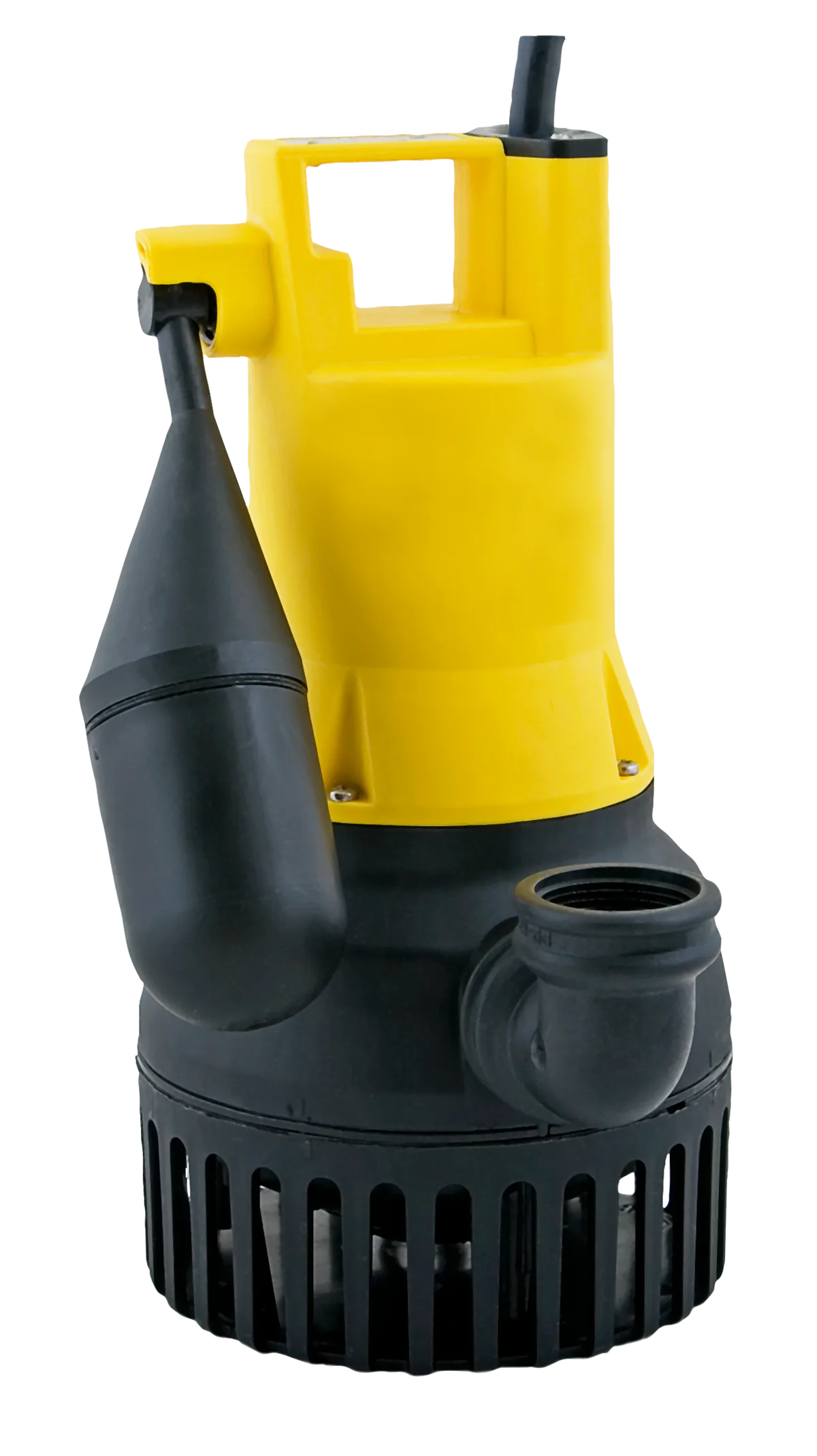
Image source: Wikimedia Commons / PumpExpert (CC BY-SA)
What goes wrong falls into three buckets. First, mechanical problems like a stuck float switch or clogged impeller. Second, backflow from a failing check valve.
Third, electrical issues such as a tripped circuit or short in the wiring.
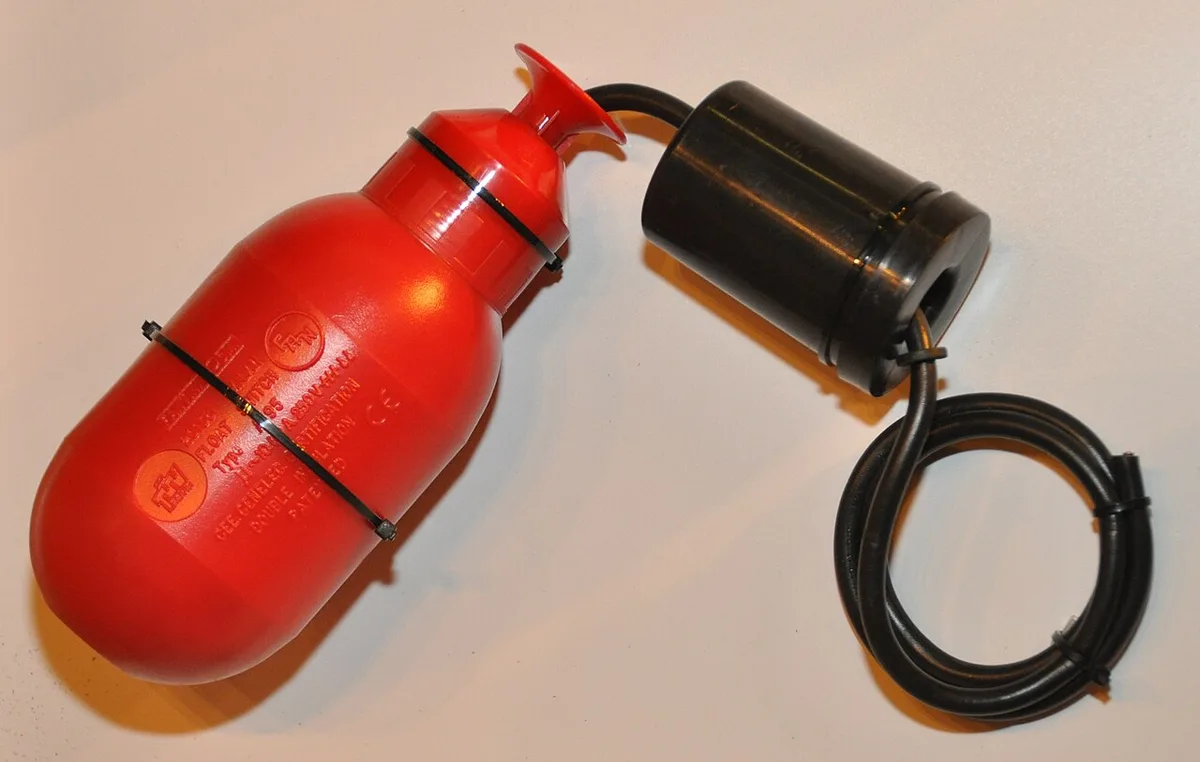
Image source: Wikimedia Commons / S.J. de Waard (CC BY)
Step-by-Step Troubleshooting: Fix It Yourself or Call a Pro
Start by turning off the breaker to the pump. Remove the cover and check the float switch for obstructions. Clear any debris blocking its movement.
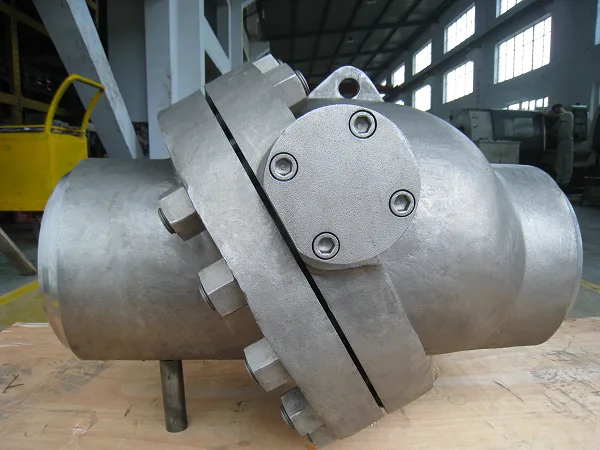
Image source: Wikimedia Commons / Heather Smith (CC BY)
Next, inspect the check valve on the discharge pipe. If it's leaking or stuck open, water drains back into the pit after shutdown. Test it by pouring water into the discharge pipe and watching the direction of flow.
If the pump runs but no water is moving, the impeller is likely clogged. Turn off power, disconnect the discharge hose, and remove the impeller housing. Clear out any hair, string, or debris wrapped around the blades.
For electrical issues, verify the GFCI outlet is working and check for loose wire connections. If you see burned components or the motor smells overheated, call an electrician or plumber immediately.
When to Replace Parts vs. the Whole Pump
A faulty float switch usually costs $20 to $50 and takes 30 minutes to replace. If the switch is old or corroded, go ahead and swap it out rather than cleaning it repeatedly.
Check valve replacements run about $25 to $80. Replacing it is a straightforward task as long as you can shut off the main water supply and have basic plumbing skills.
If your pump is over seven years old and still giving trouble, replacement makes more sense. Newer models are more energy efficient and often come with better warranties.
Frequently Asked Questions
Why does my sump pump keep running even when the pit is empty?
This usually points to a stuck float switch or a faulty check valve allowing water to cycle back into the pit. Inspect both components after shutting off power.
Can a clogged discharge pipe cause continuous pumping?
Yes. If the pipe is blocked, water can't escape and the pump keeps trying. Clear the discharge line before troubleshooting internal parts.
Should I keep the pump running during heavy rain?
Short cycles are normal during storms. But if it never stops, that's a failure point. Monitor it closely and call a pro if it won't shut off within an hour of the rain stopping.