
Why does my sump pump short cycle? It's one of those basement sounds that makes you drop everything and head downstairs. That rapid on-off clicking means your pump is working harder than it should, and if you've lived with it for more than a day or two, you're probably wondering what's actually wrong.
Our research shows most homeowners hear this pattern start after heavy rain, but the real cause is almost always something simpler than you think.
The key insight is that a healthy sump pump should run in cycles spaced at least 30 seconds apart. Running more frequently than that puts strain on the motor and cuts its lifespan. So before you reach for tools, let's figure out what's really driving that short cycle.
why does my sump pump short cycle
Your sump pump short cycles because the float switch detects water too frequently. This happens when the pump chamber fills, drains partially, and refills before the float can fully reset. Debris, a faulty check valve, or an oversized pump can all cause this rapid restart pattern.
The result is excess wear on the motor and unnecessary electricity use.
Check These 5 Conditions First (Start Here Before You Move Anything)
Before you touch anything, walk through these five checks. They catch roughly 80 percent of short-cycle issues and don't require tools.
- Water level in the pit. If the float switch sits submerged or the water line is too high, it will keep triggering. The pump should sit on a stable base, and water should recede below the intake before restarting.
- Debris around the switch. Pebbles, gravel, or buildup can hold the float in the "on" position or prevent it from dropping back down. A quick visual sweep often reveals the culprit.
- Check valve function. If the valve fails to seal, water drains back into the pit after each cycle. That drain-and-refill loop forces constant restarts.
- Pump size relative to the pit. An oversized pump clears water so fast it can cause premature cutoff, then refills and restarts too soon. Most residential setups need 1⁄3 to 1⁄2 HP depending on lift height.
- Discharge pipe blockage or freezing. If water can't exit freely, it backs up and recirculates through the pit. Check both above-ground and below-ground portions.
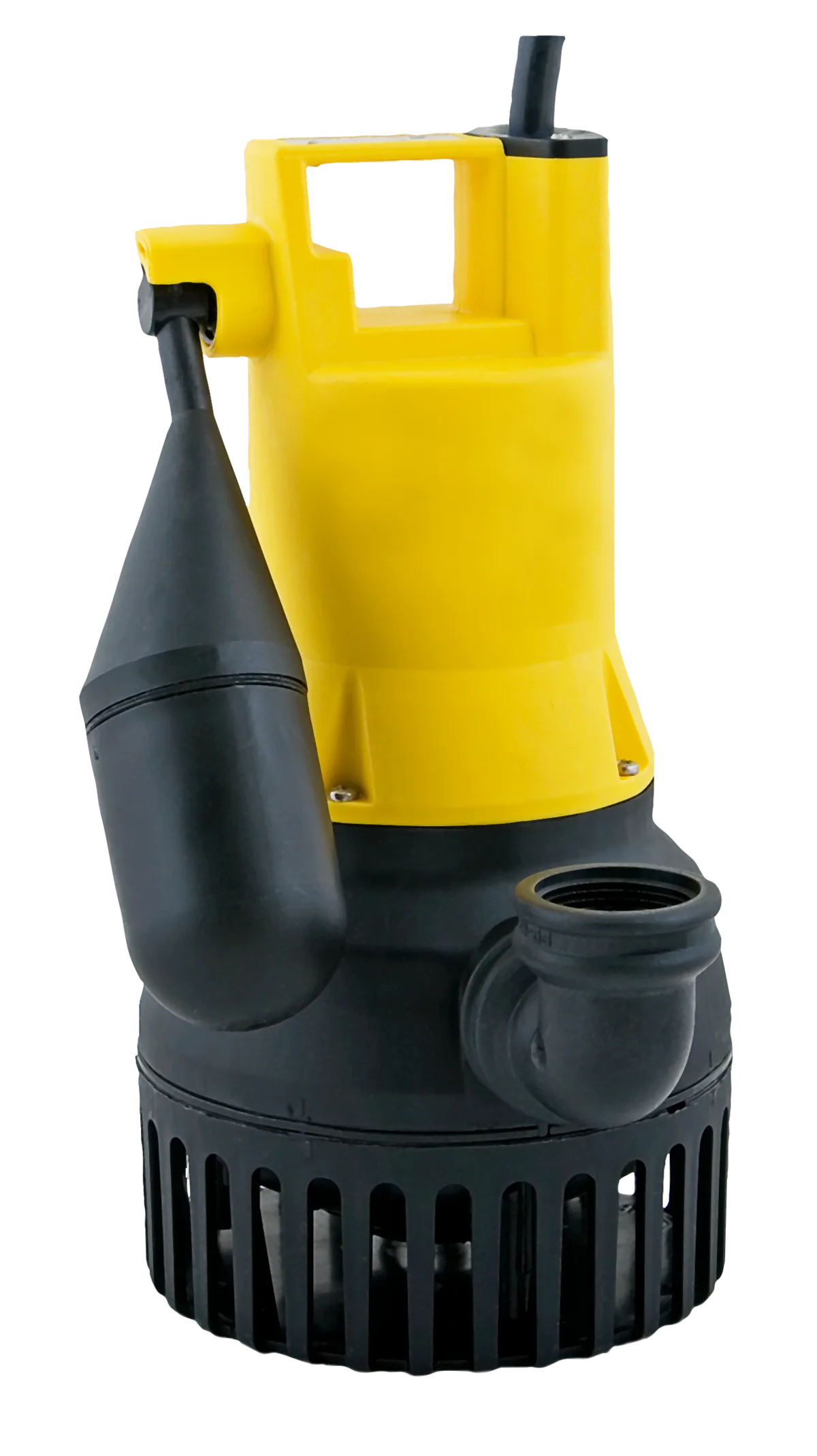
Image source: Wikimedia Commons / PumpExpert (CC BY-SA)
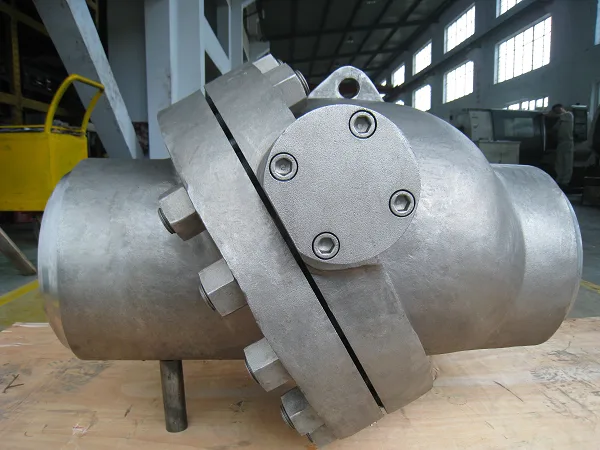
Image source: Wikimedia Commons / United States Department of Energy
A failed check valve is the single most common cause, and it's cheap and easy to confirm. Turn off power, remove the valve, and shake it. If you hear water sloshing inside, replace it.
While you're there, verify the discharge line isn't kinked or frozen. For more on diagnosing these hidden culprits, our guide to pump repair basics covers the logic behind most cycling problems.
How to Adjust Your Float Switch and Fix Short Cycling
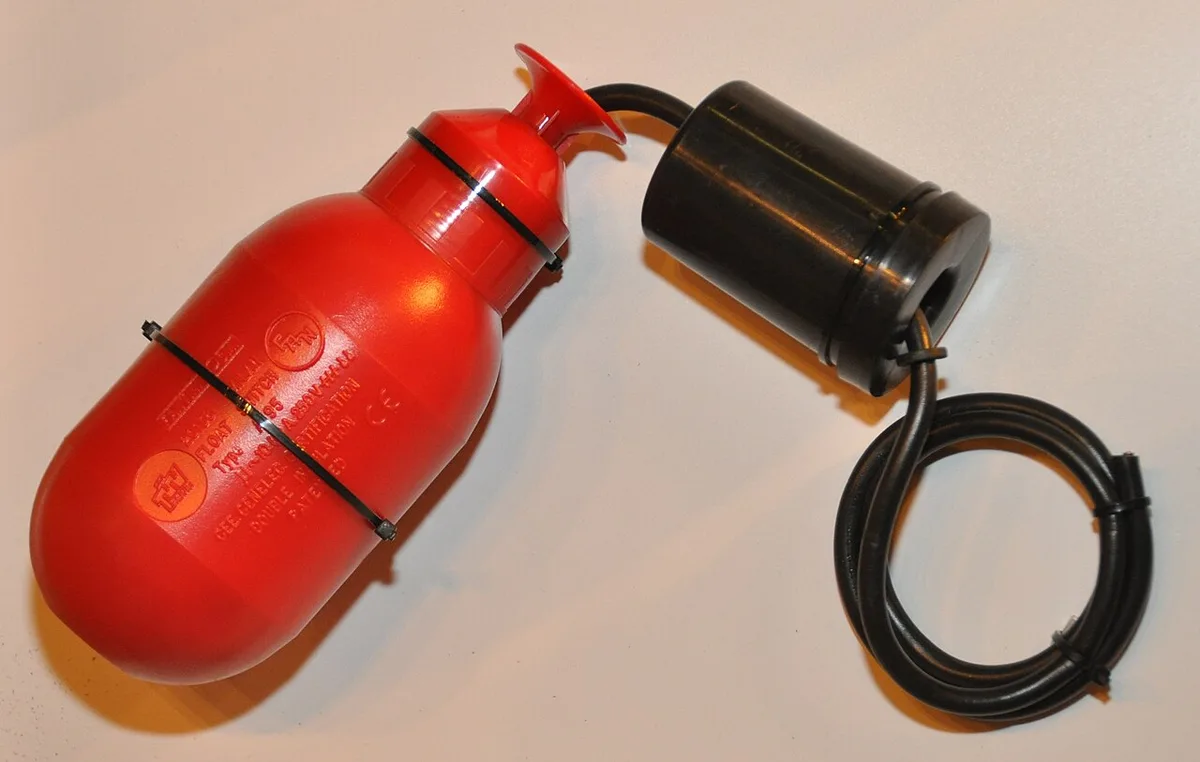
Image source: Wikimedia Commons / Palagiri
If your checks point to the float switch, here's how to fix the two most common causes.
Sticky or debris-bound float switches
- Shut off power at the breaker.
- Lift the float by its cord. It should rise freely and fall back smoothly. If it sticks, wipe away sediment or reposition it.
- Make sure the float isn't resting against the pump housing or pit wall.
- Lower it so the pump stops running about 2 to 3 inches below the intake. Too much travel creates the refill-and-restart loop.
Adjusting the cycle interval
The goal is a minimum 30-second pause between cycles. If yours is faster, raise the "off" point of the float by moving the tether clip higher on the discharge pipe. Lowering the "on" point shortens each run cycle, giving the pump more rest between activations.
Image source: Wikimedia Commons / Palagiri
Once adjusted, run a slow trickle of water into the pit and time the cycles with a phone stopwatch. You should see at least one 30-second gap between stops and starts under normal flow conditions. For more electrical safety context around basement wet-area work, see our walkthrough of handling power tools around moisture.
When to Call a Pro vs. When It's Safe to Handle Yourself
Handling yourself is fine when the fix is mechanical and the area stays dry during work. Replacing a float switch, swapping a check valve, or cleaning debris qualifies. Always shut off power at the breaker first, keep the pit dry, and never work standing in water.
Call a professional if you see any of these red flags:
- The pump motor hums but the impeller won't spin.
- You notice burning smells or tripped breakers during operation.
- The pit has multiple electrical connections you don't recognize.
- The cycling continues after replacing the float and check valve.
Our research and LG dryer troubleshooting logic share a similar principle: many repeated-error problems resolve once you isolate the switching mechanism. A licensed plumber or electrician can handle deeper wiring issues safely.
Sump Pump Short Cycling FAQs
Why does my sump pump keep turning on and off every few seconds?
This usually means the float switch is stuck or debris is holding it in the "on" position. It can also signal a failed check valve that allows water to drain back into the pit. Turn off power and inspect both components before calling a technician.
How long should a sump pump run per cycle?
A typical cycle lasts 15 to 30 seconds. What matters is the interval between cycles. Most systems need at least 30 seconds of rest before restarting.
If you're seeing cycles back to back, something is resetting the float too soon.
Can a bad check valve cause short cycling?
Yes. A faulty check valve allows water to flow backward into the pit after each discharge. That water refills the chamber quickly, triggering the float again.
Replace the valve if you hear gurgling or see water draining back post-shutdown.
Is it safe to adjust the float switch myself?
Only if the pit is dry and you've shut off power at the breaker. Never reach into a wet pit with live electricity nearby. Wear rubber gloves and a nonconductive mat.
If you're unsure about wiring or the area stays damp, hire a licensed professional.
Should I replace the entire pump?
Not usually. Most short cycling traces back to a $20 float switch or faulty check valve. Replace those components first.
Consider a full replacement only if the pump is over 7 years old or the motor shows signs of overheating.