
If your sump pump turns on and immediately shuts off again, you're dealing with short cycling. This usually means the pump isn't running long enough to fully remove water from your sump pit.
Short cycling stresses components and can lead to premature failure. Most residential sump pumps are designed to run for at least one minute per cycle, according to manufacturer specifications from companies like Zoeller and Liberty Pumps. Understanding why this happens helps you troubleshoot the right problem rather than replacing parts blindly.
## why does my sump pump shut off too soon
The pump shuts off prematurely due to float switch issues, check valve failure, or discharge blockages. A stuck float switch causes immediate shutoff. A failed check valve lets water rush back into the pit.
This creates dangerous short cycling that damages your pump quickly.
How a Sump Pump Should Cycle (And When It's Wrong)
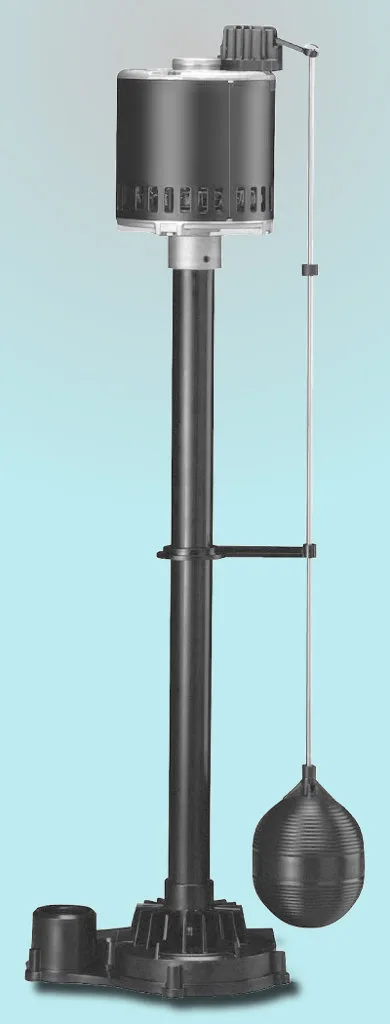
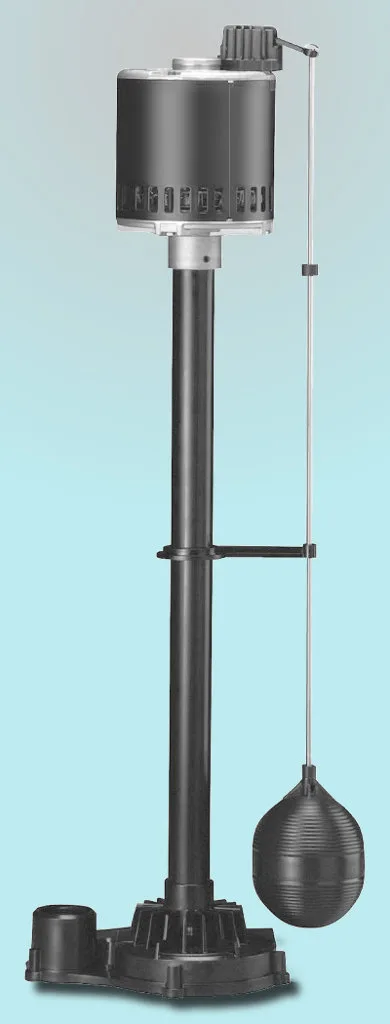
A properly functioning sump pump follows a predictable pattern. When water level rises, the float switch activates the motor. The pump runs until water drops to the desired level, then the float lowers and shuts it off.
Normal cycle time should last 30 seconds to several minutes depending on water inflow. Anything shorter indicates a control problem, not a pump failure. The system needs enough runtime to clear water and prevent frequent restarts that burn out motors.
Per National Electrical Code (NEC) Article 430, continuous short cycling also violates proper motor operation guidelines. Motors need adequate run time to reach operating temperature safely.
Systematic Troubleshooting: Check These 7 Things First
Start with the simplest fixes before calling a professional. Here's what to inspect in order:
Float switch position, Make sure nothing's tangled around it or caught on the discharge pipe. The switch should move freely up and down with water level changes.
Pit debris, Sediment and dirt can jam the float mechanism. Turn off power and clean the entire pit.
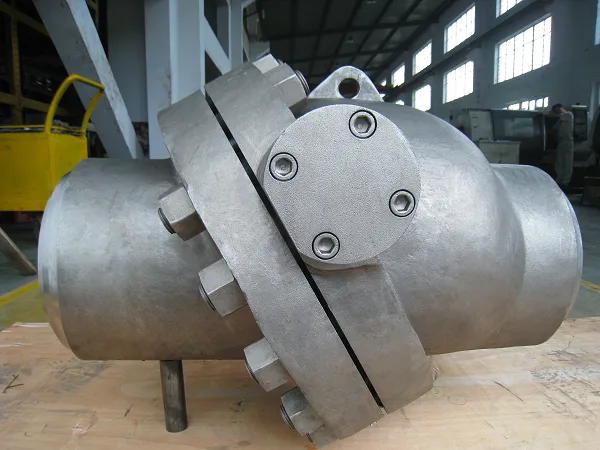
Check valve function, This prevents water backflow. Listen for a distinct click when the pump shuts off. No sound means it's failed.
Check Valve Function Test:
- Remove the discharge pipe from the check valve
- Pour water into the pump housing
- The check valve should hold water like a dam
- If water drains back immediately, replace the valve
Discharge pipe blockages, Ice, debris, or kinks can restrict flow. Check the entire pipe run from pump to exit point.
Pump sizing, An oversized pump for your pit will empty water faster than it fills, causing rapid cycling.
Electrical connections, Loose wiring at the float switch or pump motor creates intermittent operation.
Age and wear, After 5-7 years, even well-maintained pumps develop internal issues.
When to DIY vs Call a Pro
You can handle about 70% of sump pump short cycling issues yourself. But some situations require licensed help.
DIY when: Float switch adjustment, pit cleaning, basic discharge clearing, check valve replacement on older models.
Call a pro when: Electrical panel work, major pump replacement, well water system integration, or if your local building code (like the 2021 International Residential Code) requires permits for electrical work.
Professional plumbers charge $150-$400 for a service call. They bring specialized tools like multimeters rated for wet locations and pump performance testers. If your pump runs continuously for over an hour despite troubleshooting, that's a safety issue worth professional attention.
Frequently Asked Questions
Can a bad check valve cause short cycling?
Yes, absolutely. When the check valve fails, water flows backward into the sump pit immediately after the pump shuts off. This drops the water level rapidly, but the returning water triggers the float switch again, creating a continuous loop of short cycles.
Replacing a faulty check valve typically costs $50-$150 including labor.
How long should a sump pump run per cycle?
Most sump pumps should run for at least 30 seconds to several minutes per activation. Running time depends on water inflow rate and pit size. Anything under 10 seconds indicates a control issue.
Continuous operation beyond 10 minutes may signal pump failure or excessive water infiltration requiring basement waterproofing solutions.