
Your discharge line is likely blocked, frozen, or pitched the wrong way.
First, check if water even reaches the pipe. If it doesn't, the problem is upstream. If water backs up, look for ice or debris at the outlet.
A clogged check valve can also trap water inside the line. Most issues are fixable without replacing the entire system.
The Main Causes: A Step-by-Step Diagnosis
Start by confirming whether water is reaching your discharge line at all. Turn on your sump pump manually (lift the float) and watch the pipe itself. If no water flows, the issue is inside the pump or basin.
If water enters but doesn't exit, the pipe is the problem.
Frozen discharge line is the most common winter culprit. Ice forms at the outdoor discharge point, blocking flow completely. You'll see a solid stream of water hit the frozen outlet and splash back.
Clogs happen from debris, sediment, or even small animals nesting in the pipe. Corrugated piping is especially prone to trapping material. Check the visible end of the pipe first.
Improper pitch means the pipe isn't sloping away from your foundation. Even a slight uphill grade prevents water from draining out naturally.
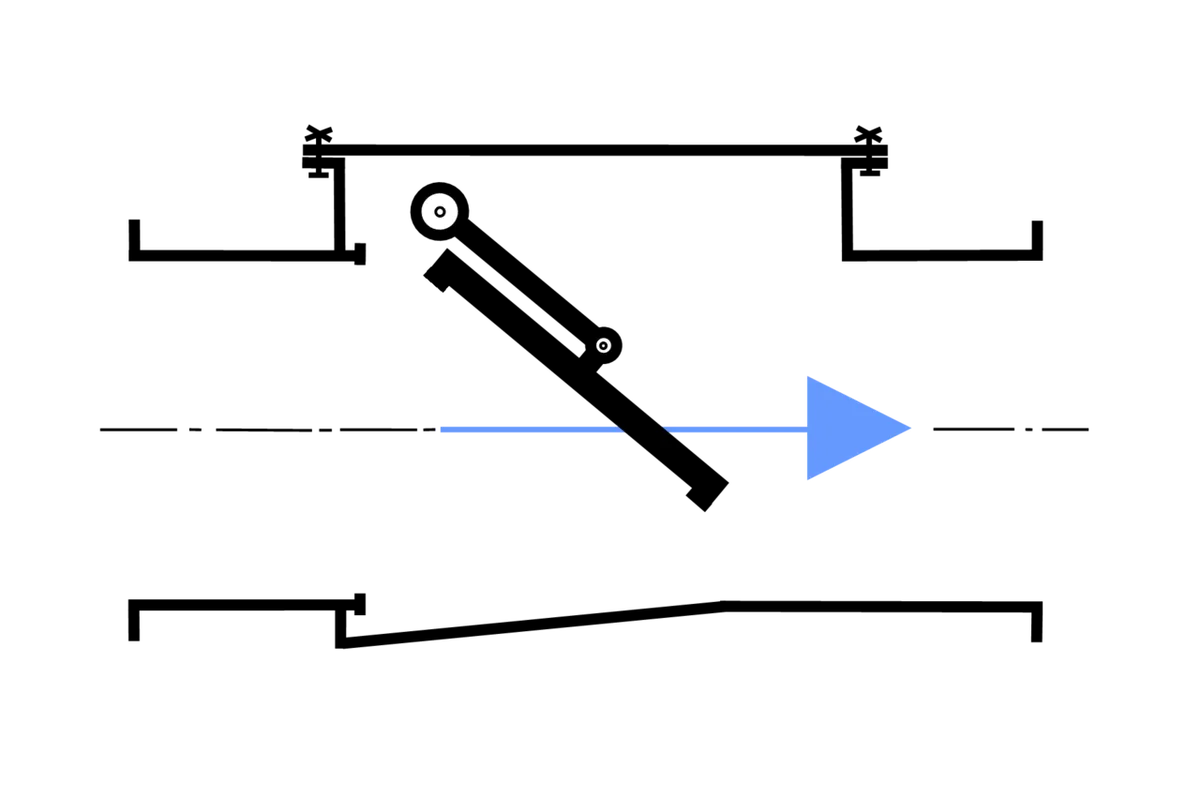
A failed check valve allows water to flow back into the pit after the pump shuts off. This creates a cycle where the pump runs constantly but never clears the line effectively. The check valve should only let water move in one direction, outward.
Run through these four checks in order:
- Is water reaching the pipe?
- Is the outlet frozen or blocked?
- Does the pipe slope away from your house?
- Is the check valve working properly?
How to Fix Each Problem (DIY Solutions)
Thaw frozen lines by applying warm (not boiling) water to the ice plug. A hair dryer works too, but keep it moving to avoid melting plastic. For stubborn ice, wrap the pipe with heating cable rated for outdoor use.
As of 2026, most hardware stores carry self-regulating heat tape designed specifically for this application.
Clear clogs using a plumber's snake or garden hose. Feed the snake from the outdoor end toward the house. If you have a clean-out point along the pipe, that makes access much easier.
Corrugated pipes are fragile, don't force anything that won't budge naturally.
Re-pitch sections that slope toward your foundation. You need at least 1/4 inch of drop per foot of run. Use a 4-foot level to check the grade.
Where the pipe emerges from the ground, ensure it ties into a proper drainage swale or storm drain, never directly against your foundation.
Replace failed check valves with ones rated for your pump's flow rate. A 1/3 HP pump typically needs a 1.5 inch check valve with a cracking pressure around 2 PSI. Install it with the arrow pointing away from the pump.
When to Call a Pro + Common Mistakes to Avoid
Call a professional if you suspect the blockage is deep inside your wall or under your slab. Hidden clogs behind drywall or in underground runs often require camera inspection. If your pump runs continuously without clearing water, that's a sign of internal pump failure or a major downstream blockage.
Don't use open flame or boiling water to thaw pipes, the thermal shock can crack PVC fittings. Avoid chemical drain cleaners near sump systems; they can damage seals and harm basement finishes.
Common mistakes include directing discharge too close to your foundation, which just moves the problem elsewhere. The discharge point should be at least 10 feet from your house. Another error is burying the pipe too shallow, it needs to sit below the frost line, which ranges from 24 inches in southern states to over 60 inches in northern regions.
Frequently Asked Questions
Can I just pour hot water on a frozen discharge line?
Hot tap water works temporarily but won't solve recurring freeze problems. Better to use heat tape or improve insulation around the discharge point.
How do I know if my check valve is bad?
Listen for water rushing back into the pit after the pump stops. If the pump cycles on immediately again, the check valve isn't holding backflow properly.
Should the discharge pipe always be buried?
Burying protects the pipe from freezing and keeps it out of walkways. However, above-ground sections must slope properly and include freeze protection measures.
What happens if I discharge water too close to my foundation?
Water will pool near your footings and can seep back into your basement, defeating the purpose of having a sump pump entirely.
Can a clogged discharge line damage my sump pump?
Yes. Continuous operation against a blocked line overheats the motor and burns out the pump quickly. Most pumps aren't designed to handle backpressure.