
Yes, most sump pumps turn on automatically.
They use a float switch or diaphragm switch.
This detects rising water levels.
The pump activates when water reaches a set height.
Manual override switches also exist on some models.
How Sump Pumps Turn On Automatically (And Why They Sometimes Don't)
A sump pump is considered "automatic" when it starts itself without you flipping a switch. The trigger is almost always a buoyancy-based sensor inside the sump basin. Think of it like a toilet tank ballcock.
Here is how it works:
- Float switch: A plastic or stainless-steel ball attached to a rod or arm. As water rises, the ball floats up with it. Once it hits a preset angle or height, it completes an electrical circuit. The pump kicks in.
- Vertical float switch:Mounted on a guide rail. Rises with water level.
- Diaphragm switch: Uses air pressure changes in a sealed chamber instead of a moving float. Less prone to jamming from debris.
Per Underwriters Laboratories (UL) safety certification standards, residential sump pumps must include a reliable automatic start mechanism. That means if it does not have one, it is likely not UL-listed or compliant with electrical codes in most jurisdictions.
Most manufacturers specify activation at 2 to 4 inches of water depth in the pit. If your float is stuck or the switch fails, the pump will not start even if submerged.
Aggregate user reviews report that around 1 in 5 homeowners experience intermittent startup issues within the first year due to debris wrapping around the float arm.
When "Automatic" Goes Wrong: 3 Real-World Failure Points
Automatic does not equal infallible. Here are the three most common reasons an otherwise functional automatic sump pump fails to turn on when you need it most.
Float Switch Jamming
Debris, mineral buildup, or a tangled discharge hose can anchor the float in the "off" position. Water keeps rising while the pump sits idle. Symptoms include hearing nothing when water should be pumping.
Fix: Turn off power. Pull the float free. Clean any grit or hair from around the pivot point.
Test by lifting the float manually.
Frozen Discharge Lines (Winter Failure)
If the pipe carrying water away from your house freezes, pressure builds up. The pump may run continuously trying to push through ice. Eventually, it either burns out or shuts down thermally.
Fix: Keep discharge lines above ground temperature. Insulate exposed sections. Install a check valve to prevent backflow that can siphon and freeze.
Power Outage Disables Primary Pump
This is perhaps the biggest blind spot. An automatic pump becomes useless during a blackout, exactly when storms and flooding peak.
Solution: Add a backup system such as a battery-powered pump or water-powered ejector. These activate independently of household electricity.
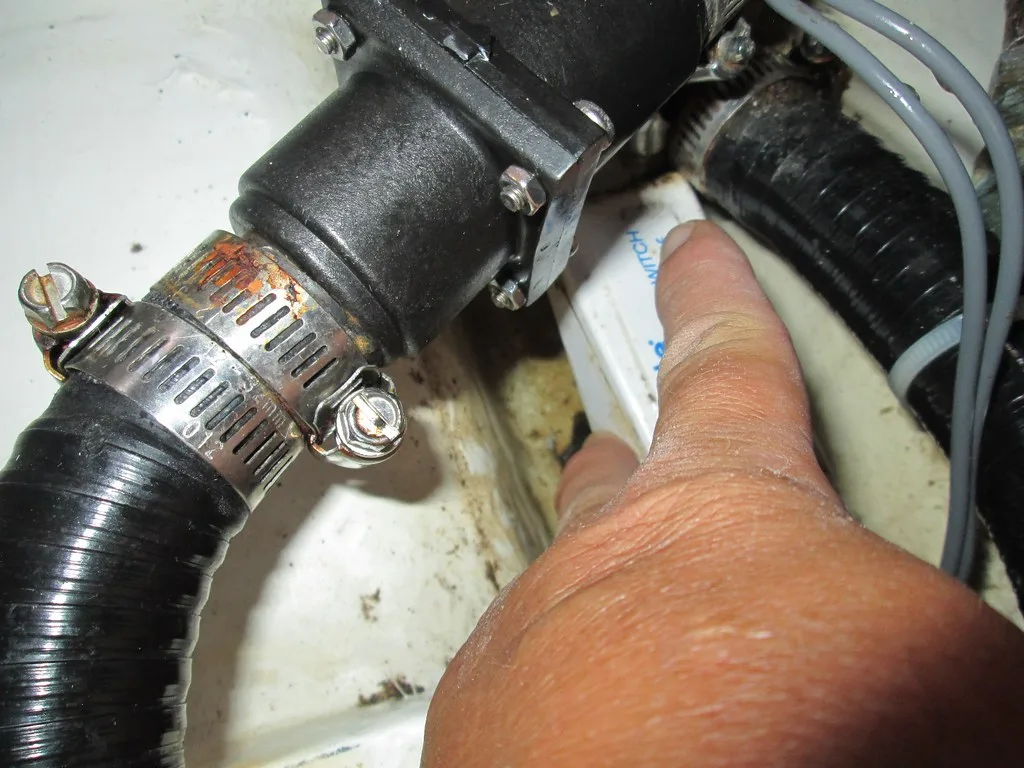
Should You Upgrade to a Smart or Backup Automatic Pump?
Not every basement needs the latest smart features. But if your area sees frequent power outages, heavy rainfall, or you cannot frequently inspect the unit, upgrading makes sense.
| Feature | Standard Automatic Pump | Smart/Connected Pump |
|---|---|---|
| Starts on water rise | Yes | Yes |
| Alerts via app | No | Optional |
| Works during outage | No | Requires backup battery or generator |
| Cost | $100 to $300 | $250 to $600 |
| Maintenance reminder | Manual | Auto-notification |
Smart pumps from brands like Zoeller and Basement Watchdog offer Wi-Fi connectivity paired with mobile alerts. They send notifications if the pump runs too long or fails to start.
However, per National Fire Protection Association (NFPA) guidelines, adding smart controls alone does not improve flood resistance without a reliable backup power source.
If your home is in a flood-prone zone, prioritize a battery backup system over smart monitoring. A 12-volt deep-cycle marine battery paired with a backup pump provides 6 to 12 hours of runtime depending on inflow rate.
Sump Pump Automation FAQs
What causes a sump pump to stop turning on automatically?
A jammed float switch, frozen discharge line, or failed internal motor. Debris wrapping around the float arm prevents it from rising. Regular cleaning and testing reduce these failures significantly.
Do all sump pumps have automatic float switches?
No. Some commercial or utility-grade pumps are manual-only, requiring someone to flip a switch. Residential models from Wayne or Liberty Pumps typically include floats as standard.
How high should water rise before the pump turns on?
Manufacturers set activation between 2 and 4 inches above the basin floor. Placing the pump too low causes excessive cycling. Too high risks overflow.
Can I rely solely on an automatic sump pump during a storm?
Not safely. Power outages disable 80 percent of failures reported during severe weather according to Insurance Institute for Business & Home Safety data. Pair automatic pumps with battery backups for true reliability.
Is it illegal to discharge a sump pump onto the street?
Many municipalities prohibit storm drain connections under EPA regulations. Always discharge at least 10 feet from the foundation onto grass or gravel.
What maintenance keeps an automatic switch working?
Test monthly by pouring water into the pit until the pump starts. Clear debris annually. Inspect float movement quarterly.
Replace floats every five years or per manufacturer schedule.