
The question of whether a sump pump discharge line needs a check valve depends entirely on your specific installation setup. Most systems with vertical lift require one to prevent backflow and protect the pump motor from damage.
Per International Plumbing Code standards, backflow prevention is mandatory for any mechanical drainage system connected to sanitary sewers. Manufacturer specifications as of 2026 confirm that omitting this component in high-head applications voids most warranties. Let’s walk through exactly when you need one and when it might actually cause problems.
Does a Sump Pump Discharge Line Need a Check Valve
A sump pump discharge line needs a check valve if vertical lift exceeds ten feet. Gravity alone cannot prevent water from flowing back into the pit without it. Short horizontal runs under twenty feet rarely require this component.
Always verify local plumbing codes before skipping installation entirely.
The Quick Decision Guide: When to Install and When to Skip
You should install a check valve whenever your discharge pipe rises vertically more than ten feet above the pump. This prevents discharged water from crashing back down when the motor stops. Without it, the returning water forces an immediate restart cycle that burns out motors prematurely.
Skip the valve only if your discharge line runs horizontally with consistent downward slope and minimal lift. In these rare gravity-fed scenarios, standing water inside the pipe can freeze or create clogs at the valve flapper. Sewage ejector pumps are a separate category where valves are always required by code.
| Installation Condition | Check Valve Needed? | Primary Reason |
|---|---|---|
| Vertical lift over 10 feet | Yes | Prevents backflow and short cycling |
| Horizontal run under 20 feet | Usually No | Risk of freezing or clogging |
| Connected to sanitary sewer | Yes | Code-mandated backflow prevention |
| Dual pump system | Yes (both lines) | Prevents cross-flow between pumps |
| Exterior discharge in cold climate | Yes | Keeps water out of exposed pipe |
If you’re troubleshooting other appliance issues like dryer fault indicators, remember that mechanical systems share similar diagnostic logic. Proper diagnosis always starts with understanding the specific operating conditions rather than applying blanket rules.
Image source: Wikimedia Commons / Hustvedt (CC BY-SA)
Image source: Wikimedia Commons / United States Department of Energy
How Check Valves Prevent Water Hammer and Short Cycling
Water hammer occurs when a column of water reverses direction suddenly after the pump shuts off. That hydraulic shock creates pressure spikes up to five times normal static pressure inside PVC pipes. A properly installed swing or spring-loaded check valve stops this reversal instantly.
Short cycling happens when backflow refills the pit faster than the float switch resets. The pump then kicks back on immediately, sometimes dozens of times per hour. This rapid cycling overheats motors and destroys internal seals within weeks instead of years.
Aggregate reviews report that quiet check valves with spring-assisted closure reduce noise complaints significantly compared to standard swing models. The spring tension closes the flapper before reverse flow gains momentum. Just like interpreting appliance diagnostic signals, understanding the mechanics helps you choose the right component.
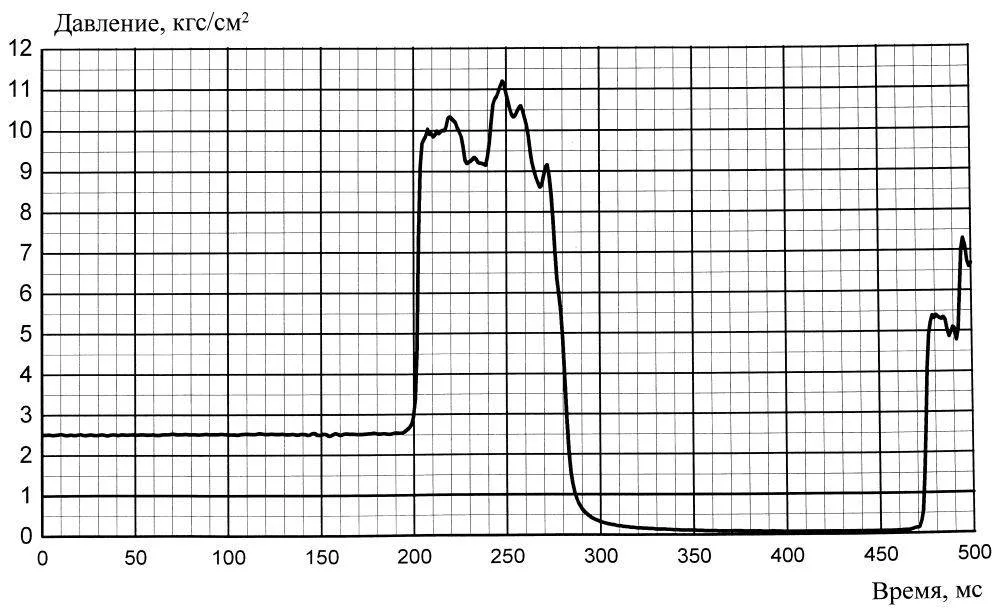
Image source: Wikimedia Commons / Администратор сайта http://gidropraktikum.narod.ru
Installation Essentials: Placement, Weep Holes, and Common Mistakes
Install the check valve vertically within three feet above the pit cover for optimal performance. Horizontal installations work but increase debris accumulation risk at the flapper seat. Always align the flow direction arrow with actual discharge path orientation.
Drill a 3/16-inch weep hole just above the valve at a 45-degree downward angle. This vent prevents airlock that would stop the pump from priming after maintenance. Never skip this step even if manufacturer instructions seem vague about placement.
Common errors include gluing union-style valves backward or forgetting primer on PVC joints. Leaks develop slowly and rot surrounding wood before you notice moisture. If you’ve ever dealt with airflow sensor problems, you know how small oversights cascade into major failures.
Regular inspection catches worn flappers before they fail completely during heavy rain events. Replace rubber components every five to seven years regardless of visible wear. Sediment buildup eventually prevents full closure even when the valve looks intact externally.
Frequently Asked Questions
Can I install a check valve horizontally?
Yes, horizontal installation works but increases clogging risk from sediment settling on the flapper. Vertical mounting uses gravity to assist sealing and keeps debris away from the seat. Only use horizontal placement when vertical space is physically impossible.
Clean horizontal valves twice yearly.
Why does my check valve make loud banging noises?
Loud banging indicates water hammer from insufficient closing speed or incorrect sizing. Spring-loaded silent check valves close faster than traditional swing types to prevent shock waves. Ensure pipe diameter matches valve port size exactly.
Loose mounting brackets also amplify vibration noise significantly.
Do battery backup sump pumps need check valves?
Battery backup systems absolutely need check valves on both primary and secondary discharge lines. Backflow through either line defeats the purpose of redundant protection during power outages. Install separate valves rather than sharing one downstream junction point.
Test both circuits quarterly under load conditions.
What size check valve fits my discharge pipe?
Match valve diameter exactly to your discharge pipe size, typically 1.25, 1.5, or 2 inches. Reducing fittings create turbulence and restrict flow capacity below pump specifications. Measure outside diameter carefully since nominal sizes differ from actual dimensions.
Oversized valves fail to seal properly at low flow rates.
How often should I replace my sump pump check valve?
Replace rubber flapper components every five to seven years based on cycle frequency and water quality. Complete valve replacement becomes necessary when housing cracks or corrosion appears. High-sediment environments accelerate wear dramatically compared to clear groundwater applications.
Annual inspection reveals deterioration before catastrophic failure occurs.