
Figuring out how much water should a sump pump remove depends entirely on your specific basement conditions. There is no single universal flow rate that protects every home from flooding effectively.
Manufacturer specifications indicate capacity drops significantly as vertical lift increases beyond ten feet. We will walk through the exact variables needed to calculate your true removal requirements below.
Why There’s No Universal GPH Number for Sump Pumps
A standard 1/3 HP pump might move 2,400 gallons per hour at zero head but only 900 GPH at fifteen feet of lift. This massive performance drop means horsepower alone never tells the full story. Your actual removal need depends on inflow rate plus total dynamic head pressure.
Inflow varies wildly based on soil permeability and drainage tile efficiency. Sandy soil drains fast while clay holds water against foundation walls. Roof downspouts dumping near the footing can double or triple the volume entering your pit during storms.
Total dynamic head combines vertical lift with friction loss from horizontal pipe runs. Every elbow and check valve adds resistance that reduces effective flow. You must account for these physical constraints rather than relying on generic sizing charts.
The 4-Step Workflow to Calculate Your Required Removal Rate
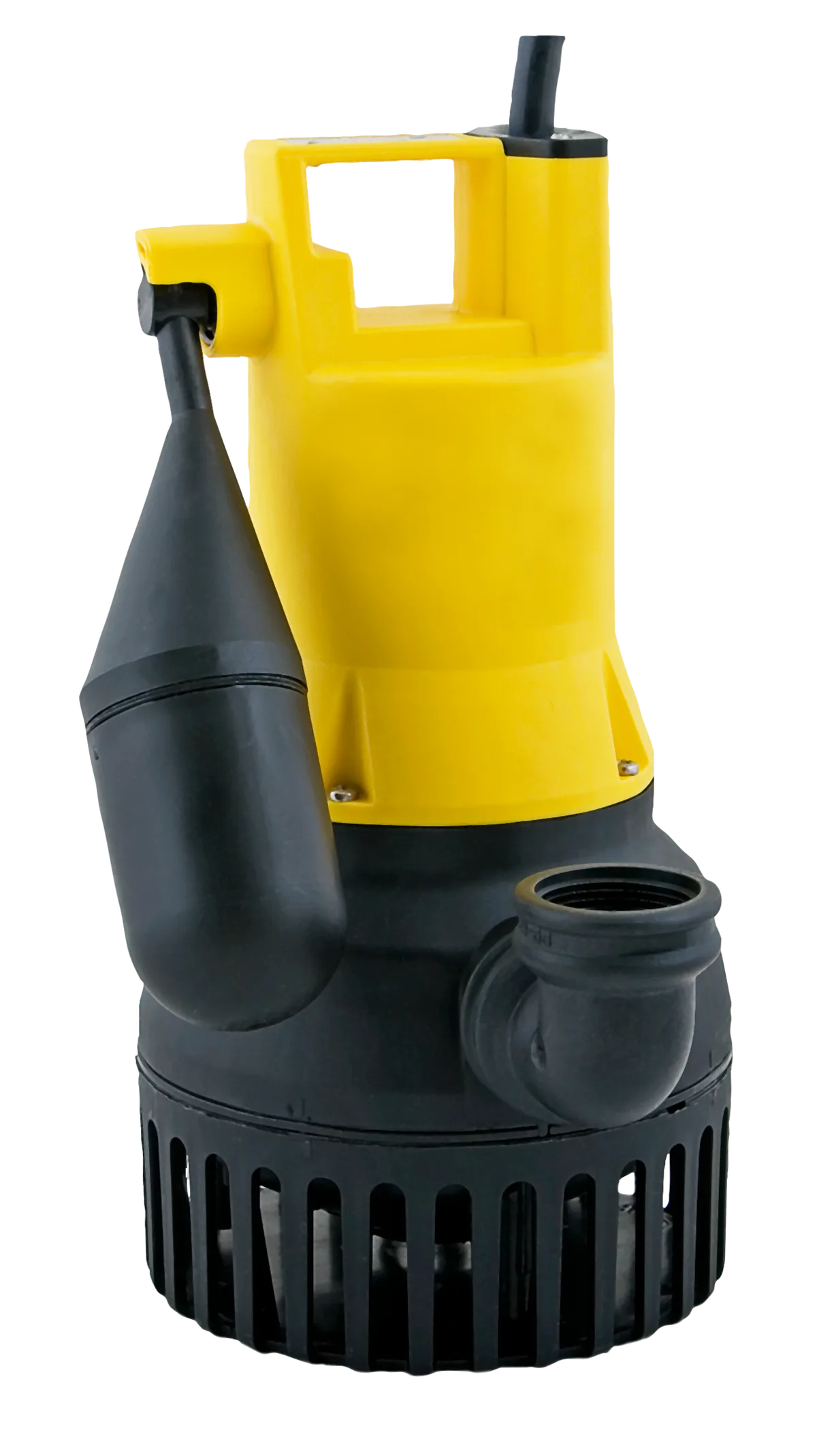
Image source: Wikimedia Commons / PumpExpert (CC BY-SA)
Start by measuring the vertical distance from the pit bottom to the discharge point outside. Add fifty percent to this number if you have multiple elbows or long horizontal runs. This adjusted figure represents your estimated total dynamic head for pump curve matching.
Next estimate your watershed area including roof footprint and impervious surfaces draining toward the foundation. Multiply square footage by local peak rainfall intensity in inches per hour. Divide by twelve then multiply by seven point five to convert to approximate gallons per minute inflow.
Perform a bucket test during wet weather to validate theoretical calculations. Time how long it takes for water to rise six inches in your empty pit with the pump off. This real-world measurement captures groundwater seepage that formulas often miss.
Cross-reference your measured TDH and observed inflow against manufacturer pump curves. Select a unit whose performance curve sits above your worst-case scenario point. Proper routine upkeep ensures the system maintains rated capacity over years of service.
Matching Pump Capacity to Your Specific Inflow and Head Pressure
| Vertical Lift | 1/3 HP Flow | 1/2 HP Flow | 3/4 HP Flow |
|---|---|---|---|
| 5 Feet | 2,200 GPH | 3,200 GPH | 4,100 GPH |
| 10 Feet | 1,600 GPH | 2,500 GPH | 3,400 GPH |
| 15 Feet | 900 GPH | 1,800 GPH | 2,700 GPH |
| 20 Feet | 300 GPH | 1,100 GPH | 2,000 GPH |
Match your calculated TDH to the appropriate row in manufacturer performance tables. Choose a pump whose flow rating exceeds your peak inflow estimate at that specific head. Undersizing guarantees failure during extreme weather events when protection matters most.
Oversizing causes rapid cycling that burns out motors prematurely. If your inflow is low but head is high, consider a smaller pump designed for pressure rather than volume. Vortex impellers handle debris better but sacrifice some flow compared to semi-open designs.
Verify electrical circuit capacity before upgrading to higher horsepower units. Most residential pumps require dedicated fifteen or twenty amp circuits with GFCI protection. Checking diagnostic codes helps identify electrical issues unrelated to pump sizing.
Common Sizing Mistakes That Cause Failure or Burnout
Ignoring friction loss leads to chronic underperformance in systems with long discharge runs. Each ninety-degree elbow equals roughly ten feet of additional vertical lift. Failing to account for this hidden resistance leaves basements vulnerable during heavy rains.
Selecting pumps based solely on horsepower ignores critical head-flow relationships. A cheap 1/2 HP unit may actually perform worse than a quality 1/3 HP model at your specific lift height. Always compare published pump curves rather than marketing claims.
Short cycling occurs when pits are too small for high-capacity pumps. Rapid on-off sequences overheat motors and destroy switches within months. Ensure minimum pit dimensions match manufacturer recommendations for chosen pump size.
Neglecting check valve maintenance creates artificial head pressure over time. Debris buildup restricts flow and forces pumps to work harder than designed. Regular inspection prevents gradual capacity loss that mimics improper sizing.
Understanding troubleshooting codes helps distinguish mechanical failures from hydraulic problems.
Frequently Asked Questions
What size sump pump do I need for my basement?
Most finished basements require 1/3 to 1/2 HP pumps handling 2,000 to 3,000 GPH at ten feet head. Calculate your specific inflow and total dynamic head before purchasing. Generic recommendations fail because site conditions vary dramatically between properties.
How many gallons per hour should a sump pump move?
Residential pumps typically range from 1,500 to 4,000 GPH depending on head pressure. Your required rate equals peak storm inflow plus safety margin. Measure actual water entry during wet weather rather than guessing based on floor area.
Can a sump pump be too powerful for my pit?
Yes, oversized pumps cause destructive short cycling that destroys motors quickly. Minimum pit volume must support adequate run time between cycles. Match pump capacity to both inflow rate and physical pit dimensions.
Does pipe diameter affect sump pump capacity?
Smaller discharge pipes create significant friction loss reducing effective flow. Upgrading from 1.5 inch to 2 inch pipe can restore lost capacity without changing pumps. Always verify pipe size matches manufacturer specifications for optimal performance.
How often should I test my sump pump capacity?
Test operation monthly and verify full capacity annually before wet seasons. Pour water into the pit to confirm proper activation and discharge flow. Document performance changes to catch degradation before catastrophic failure occurs.