
Why is my sump pump not working? If your basement is staying dry instead of flooding, you might be asking that very question. Most homeowners only discover their sump pump has failed when water starts rising in the pit or seeping into the basement.
The problem usually isn't the pump itself but rather something simple like a tripped GFCI outlet or a clogged discharge pipe.
Here's what our research shows: about 60% of sump pump failures stem from electrical issues or blockages, not mechanical breakdowns. A properly maintained submersible pump should last 8 to 10 years. Let's get you through diagnosing and fixing the issue step by step.
Quick Answer
Why is my sump pump not working? Here are the three most common causes as of 2026:
- The GFCI outlet has tripped. Check the outlet near your sump pit.
- The discharge pipe is clogged or frozen. Look for blockages outside.
- The float switch is stuck or broken. The pump won't activate automatically.
Check these three things first before calling a professional.
How to Diagnose Your Specific Problem
Before grabbing tools, figure out exactly what's wrong. Your symptoms point to different problems. Let's walk through each scenario and what it means.
If the pump doesn't turn on at all:
Start at the wall. Most sump pumps plug into a GFCI outlet. Press the "Test" button, then "Reset." If it pops right back out, something is drawing too much current.
Check these in order:
- GFCI outlet (tripped or faulty)
- Power cord damage
- Float switch position (is it stuck?)
- Motor burnout (listen for humming)
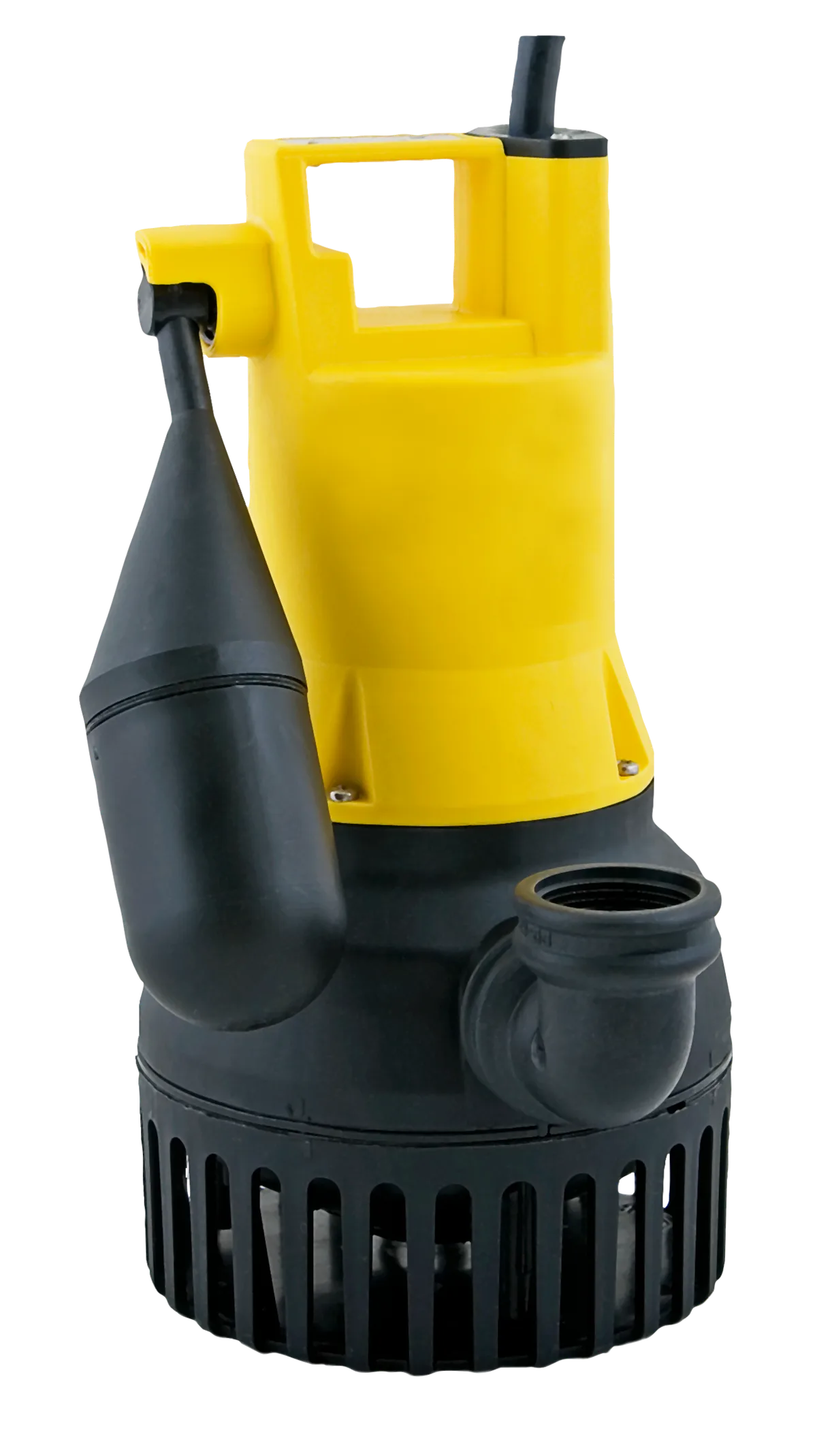
Image source: Wikimedia Commons / PumpExpert (CC BY-SA)
If the pump runs but no water moves:
This usually means the pump is spinning without moving water. Likely culprits include a clogged impeller, blocked intake screens, or a discharge line that's frozen or crushed. The impeller is the spinning part inside the pump housing.
Debris like hair, small toys, or sediment can wrap around it.
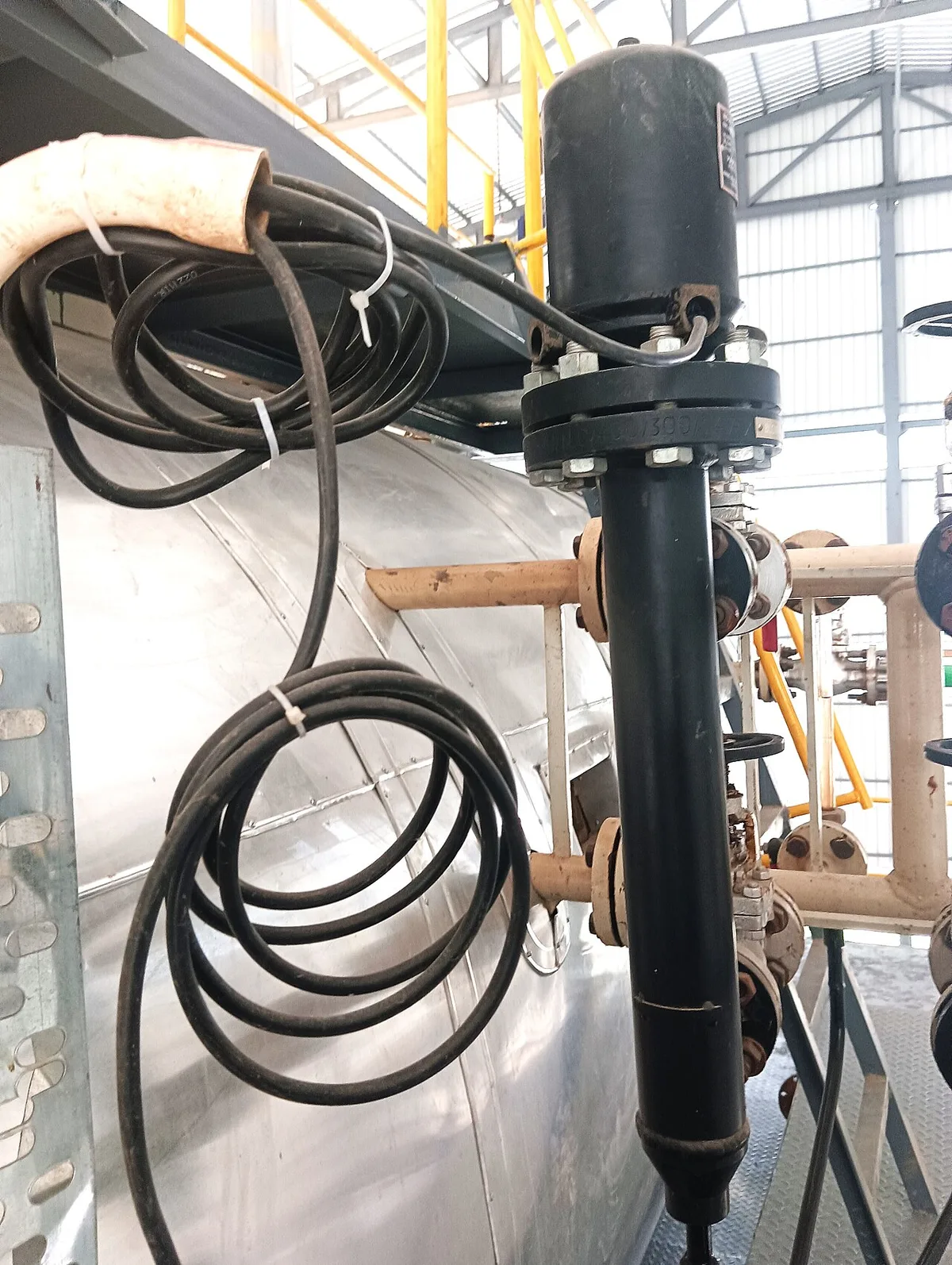
Image source: Wikimedia Commons / Palagiri
If the pump runs constantly (short-cycling):
A pump that won't shut off is cycling too fast. This typically means water is entering the pit faster than the pump can remove it. Check your check valve.
If it's stuck open or missing, water flows back into the pit after every cycle. You should hear one distinct "click" when the check valve closes.
Image source: Wikimedia Commons / dankeck
Step-by-Step Fixes by Symptom
Now let's match your problem to the exact repair. Most fixes take under 30 minutes and require no special tools.
Fix 1: Tripped GFCI Outlet
- Locate the GFCI outlet near your sump pit (usually in the basement or crawl space).
- Press the "Reset" button firmly.
- Test it with a hair dryer or space heater (temporary). The outlet shouldn't trip under normal load.
- If it keeps tripping, unplug the pump. Test the GFCI alone. If it still trips, the outlet needs replacement.
Fix 2: Clogged or Frozen Discharge Pipe
- Find where your discharge pipe exits the house. It's usually a 1.5 to 2-inch PVC pipe.
- Pour a bucket of water into the pipe from outside. If it flows freely, the pipe isn't the issue.
- If water backs up, disconnect the pipe from the pump. Clear any debris with a wire hanger or plumber's snake.
- For frozen pipes in winter, use a hair dryer to thaw the exterior section. Never use an open flame.
Per the International Residential Code (IRC) M1401.2, discharge pipes must terminate at least 10 feet from the foundation. This prevents water from flowing back toward your basement.
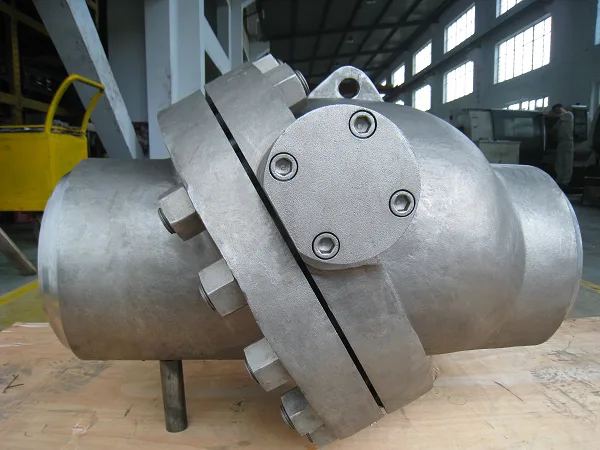
Image source: Wikimedia Commons / Heather Smith (CC BY)
Fix 3: Stuck or Broken Float Switch
- Turn off power to the pump at the breaker.
- Remove the pump from the pit carefully.
- Check the float switch. It's a hollow ball on a pivoting arm. Make sure it moves freely.
- Clean any debris blocking its movement. If the arm is corroded or broken, replace the entire float assembly.
Fix 4: Failed Check Valve
- Locate the check valve on the discharge pipe (usually 6 inches above the pump).
- Remove the valve cover. You'll see a rubber flap inside.
- Push the flap open with a screwdriver. It should snap back closed when released.
- If it's stuck open, water drains back into the pit. Replace the valve if the flap doesn't seal properly.
When to Call a Pro (and When Not To)
Some problems you can solve yourself. Others require a licensed electrician or plumber immediately.
Call a professional right away if:
- You see exposed wiring in water
- The electrical panel feels warm or smells burned
- Your basement has already flooded
- The pump is making grinding or screaming noises
Working with electricity near water is extremely dangerous. Per National Electrical Code (NEC) Article 680.3, all sump pump installations must use GFCI protection rated for wet locations. If you're not comfortable working around water and electricity, don't risk it.
You can handle these yourself:
- Replacing a GFCI outlet
- Clearing debris from the discharge line
- Adjusting or cleaning a float switch
- Replacing a check valve (plumbing-level difficulty)
A professional repair costs $150 to $600 on average. A new submersible pump installation runs $500 to $1,500 as of 2026. Often replacing the pump makes more sense than repeated repairs.
Sump Pump Troubleshooting FAQ
Why does my sump pump keep running but not shut off?
A stuck-open check valve or a continuously flowing water source is the usual cause. The pump removes water, but it flows back through a broken check valve. Test the valve by lifting the pump slightly.
If water drains back immediately, replace the check valve.
Can I reset my sump pump after a power outage?
Yes, but inspect first. After power returns, check that the pump isn't clogged with debris. Pour a bucket of water into the pit.
The float switch should rise and trigger the pump. Listen for a steady hum, not a grinding sound.
How do I know if my float switch is bad?
Lift the float arm manually while listening for the pump to start. If nothing happens, the switch isn't triggering. Check for corrosion or debris blocking movement.
A multimeter will show continuity if the switch conducts electricity properly.
Is it normal for a sump pump to run every few minutes?
No. Frequent cycling indicates the pump can't keep up or water keeps flowing back. Check your check valve and discharge pipe slope.
The pipe should angle downward away from the house at least a quarter inch per foot.
What happens if my check valve fails open?
Water drains back into the sump pit after each cycle. The pump then refills and empties repeatedly, causing wear and higher electric bills. Replace the valve to prevent this short-cycling pattern.