
Your sump pump runs but moves no water because the motor spins freely while the impeller is blocked or damaged. The humming sound means electricity reaches the motor. However, the impeller cannot push water through the discharge pipe.
This happens when debris jams the impeller or the motor is failing internally. You will know it is mechanical if the pump feels hot or draws excessive current.
How to Diagnose the Problem: A Step-by-Step Checklist
Before calling a plumber or buying a new pump, walk through this sequence. Each step isolates one likely cause. Follow the order to avoid tearing apart things that work fine.
Step 1. Cut the Power
Flip the breaker to the sump pump circuit. Never reach into water with the pump still live. GFCI outlets near basements trip easily, so test that button too.
Step 2. Feel the Motor Housing
Let the pump cool ten minutes if it is warm. A motor that runs scorching hot often has internal winding problems.
| Symptom | Likely Cause |
|---|---|
| Warm housing | Normal run |
| Too hot to touch | Internal motor failure |
| Cool but humming | Mechanical blockage |
Step 3. Check the Discharge Pipe
Remove the check valve or pipe coupling if you can. If water flows freely once disconnected, the clog sits downstream. Look for ice in winter or debris where the pipe exits your home.
Step 4. Pull the Pump and Inspect the Intake
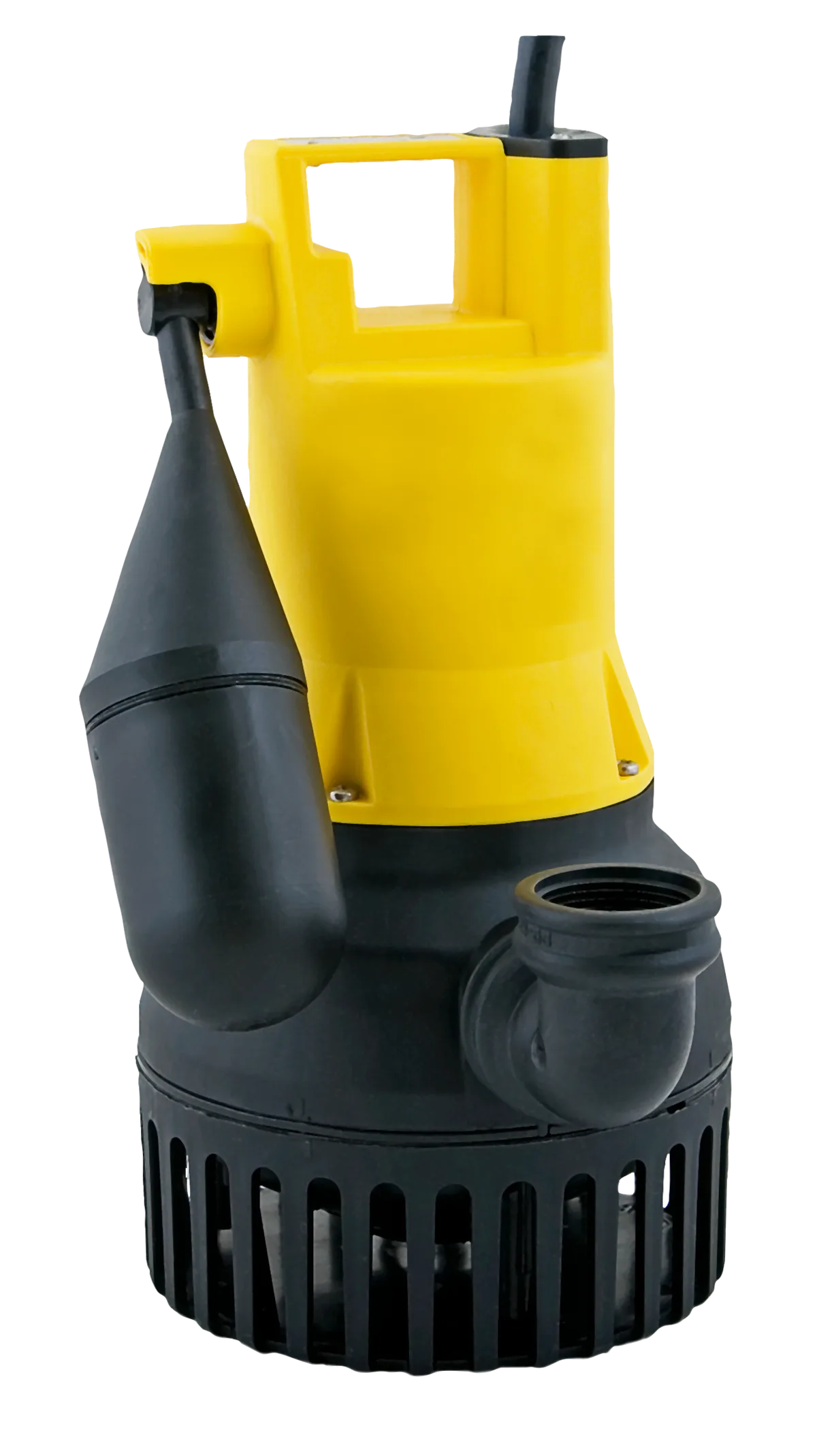
Lift the pump out of the basin. Shine a flashlight into the intake screen. Hair, lint, and small toys often wrap around the impeller.
Step 5. Spin the Impeller by Hand
With the pump out, rotate the impeller shaft. It should turn smoothly. If it is stuck or gritty, the bearings are finished.
Common Causes and What They Mean
Not every hum leads to the same fix. Below are the big three reasons your pump sounds alive but acts dead.
Seized Impeller or Bearings
The most common cause. Over time, minerals and debris build up around the impeller shaft. When the motor tries to spin, the impeller refuses to budge.
You will hear a consistent 60 Hz hum. The motor may also feel warm because it is straining.
Fix: Remove the pump, disassemble per the manual, and clear whatever is jamming the impeller. If the bearings themselves are shot, replacement is usually cheaper than repair.
Failed Start Capacitor
Submersible pumps often use a permanent split capacitor (PSC) to give the motor that initial kick. When the capacitor dies, the motor has no torque to overcome water resistance. It just hums.
Fix: Test the capacitor with a multimeter set to capacitance mode. Readings far below the rated microfarad value mean it is time for a new one. Capacitors cost around $10 to $25 as of 2026.
Clogged Discharge Line
Sometimes the pump and motor are perfectly healthy. The problem is downstream. A frozen discharge pipe in winter or a nest of leaves where the pipe meets the yard can stop water flow.
Yet the motor still runs because it is trying.
Fix: Disconnect the pipe and run the pump into a bucket. If water shoots out, the blockage is in the pipe, not the pump.
When to Call a Pro vs. Fix It Yourself
DIY works if you are comfortable with basic electrical work and the pump is older than its warranty period. Otherwise, professional help saves time and prevents electrical hazards.
| Situation | DIY Friendly | Call a Pro |
|---|---|---|
| Pump under warranty | No | Yes |
| Clogged intake screen | Yes | No |
| Dead capacitor | Yes | No |
| Burning smell or sparks | No | Yes |
| Electrical panel issues | No | Yes |
Per the National Electrical Code (NEC), any work involving direct contact with the pump's internal wiring should be done by a licensed electrician. Water and electricity mix badly, so respect the risk.
That link between electrical safety and proper pump operation is why checking your GFCI outlet monthly keeps you out of trouble.
Frequently Asked Questions
Can a humming sump pump damage itself?
Yes. Running without water flow for more than a few minutes overheats the motor. Most manufacturers rate continuous duty cycles at under five minutes dry run.
Does the check valve cause humming?
Rarely. A stuck check valve causes the pump to short cycle rather than hum. The humming points to motor or impeller issues.
Why does my pump get warm but still hum?
Heat indicates the motor is drawing more current than designed. This usually stems from mechanical resistance like a seized impeller.
How much does capacitor replacement cost?
Expect $10 to $25 for the part. Labor adds $100 to $200 if you hire someone. The repair takes under thirty minutes for a confident DIYer.