
A humming sump pump usually means the motor is receiving power but cannot turn properly. The noise itself points to one of three core problems.
Why does my sump pump make a humming noise? The motor is getting electricity but the impeller is stuck. Debris, corrosion, or a seized bearing prevents rotation.
The windings energize and vibrate, creating that loud hum.
Most humming cases stem from a jammed impeller or a failed motor. A quick power check confirms whether current is flowing. You can often free a stuck impeller by hand.
If the motor runs freely but still hums, internal windings may be burned out. That requires professional repair or full replacement.
How Sump Pumps Work and What Causes Humming
A sump pump moves groundwater from a collection basin (the sump basin) to a drain line or outside the home. Most residential units use a submersible pump installed inside the basin.
The pump sits below the normal water level. A float switch activates it automatically when water rises. As water enters the pump housing, the impeller spins and forces it through the discharge pipe.
When the impeller cannot spin freely, the motor still tries to run. This causes the magnetic fields in the windings to vibrate. The result is the unmistakable humming sound you hear.
Common causes of humming include:
- A clogged impeller blocked by debris or sediment
- A seized bearing due to lack of lubrication or corrosion
- Internal damage to the motor windings from age or power surges
- A failing capacitor that fails to start the motor properly
- A jammed discharge check valve restricting flow
Step-by-Step Troubleshooting Guide
Before grabbing tools, turn off power at the breaker panel. Working with a live pump near standing water is extremely dangerous.
Tools and materials needed:
| Item | Purpose |
|---|---|
| Circuit tester | Confirm power is off safely |
| Utility knife or wire strippers | Cut zip ties or damaged cords |
| Flashlight or headlamp | Inspect inside the dark basin |
| Multimeter | Test continuity in windings and capacitor |
| Adjustable wrench set | Remove discharge piping if needed |
Troubleshooting steps:
- Turn off the circuit breaker supplying the pump.
- Remove the pump from the basin carefully.
- Inspect the impeller for visible debris or obstructions.
- Spin the impeller by hand, if it doesn’t move freely, clean or replace it.
- Check the discharge check valve for clogs.
- Test the motor windings with a multimeter for continuity.
- Examine the capacitor for bulging or leakage signs.
Image source: Wikimedia Commons / Heather Smith (CC BY)
If the impeller spins freely and electrical tests pass, the motor may simply be overheating. Wait 15 to 30 minutes before retrying.
For persistent humming after cleaning, consult a licensed electrician or plumber. Electrical work near water requires proper training.
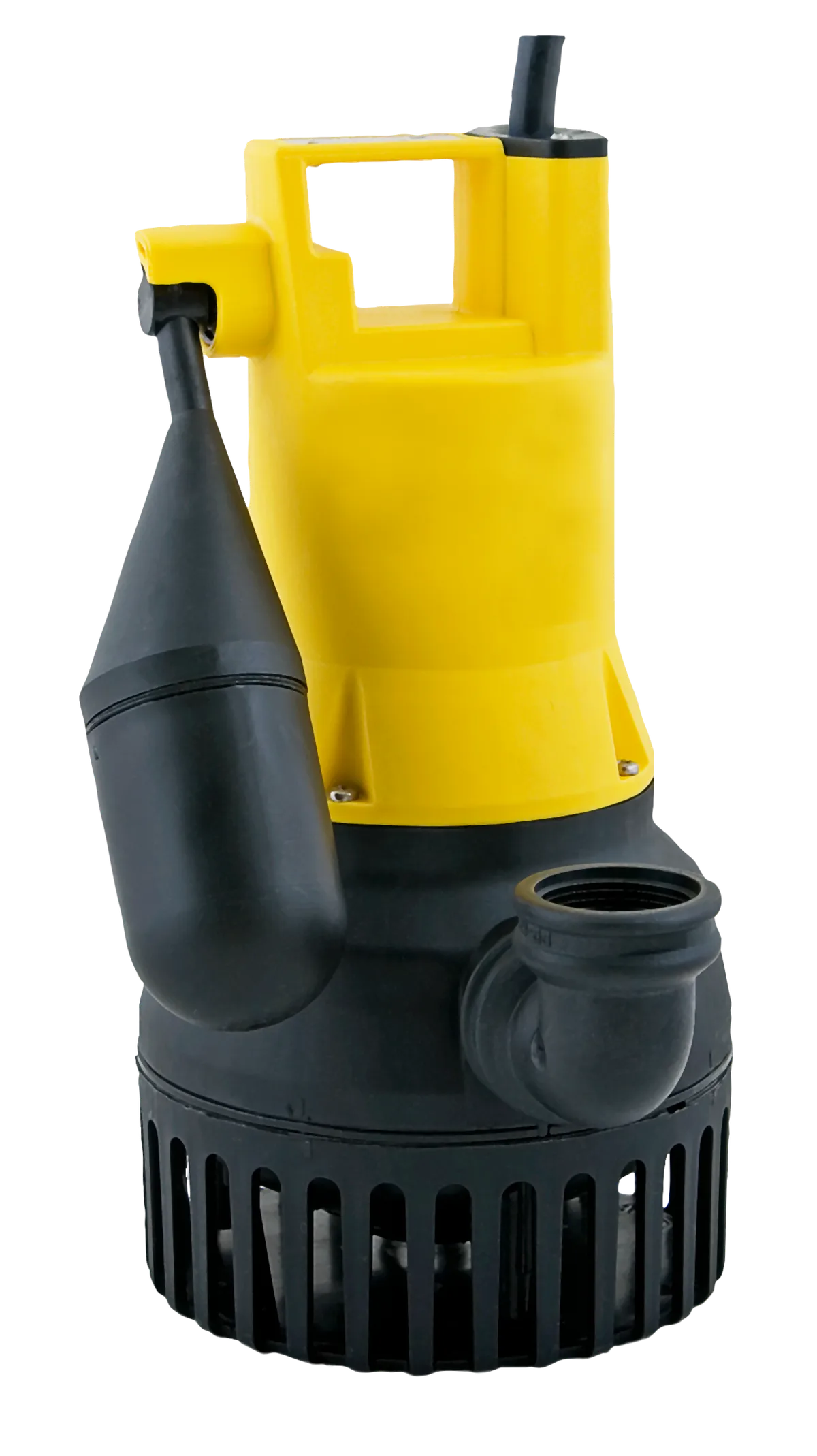
Image source: Wikimedia Commons / PumpExpert (CC BY-SA)
When to Call a Pro or Replace the Pump
Replacing a sump pump costs anywhere from $150 to $1,200 depending on model and complexity. Our research indicates most homeowners spend about $500 for a standard submersible unit plus labor.
Signs that replacement makes sense:
- Repeated clogs requiring monthly cleaning
- Motor older than 6 years with recurring issues
- Visible rust or corrosion on the housing
- High amp draw causing frequent breaker trips
- Persistent humming despite clearing blockages
Manufacturers design pumps for 6 to 10 years of reliable service. Beyond that, parts become scarce and efficiency drops.
Professional plumbers charge $150 to $400 just to diagnose a malfunctioning pump. If your unit is nearing end-of-life anyway, skipping diagnosis saves time and money.
Frequently Asked Questions
Can I fix a humming sump pump myself?
Yes, many cases involve a jammed impeller cleared with basic tools. Remove the pump, inspect the inlet screen, and spin the impeller by hand. Clear any string, hair, or debris blocking the blades.
Reconnect power briefly to test operation.
Is it dangerous to touch a humming sump pump?
Never handle a sump pump while it’s plugged in or switched on. Standing water combined with electrical components creates a serious shock hazard. Always disconnect power at the breaker panel first.
Should I replace the check valve too?
Inspect the check valve during every maintenance cycle. A faulty valve allows water to flow backward into the basin, forcing the pump to work harder and potentially overheat.
How often should I service my sump pump?
Test your pump at least twice per year, once before spring thaw and again before the rainy season. Pour a bucket of water into the basin to trigger the float switch and confirm it shuts off properly afterward.
What causes a capacitor to fail?
Capacitors weaken over time from repeated temperature changes and power fluctuations. A bulging top or oily residue indicates failure. Replacing one typically costs under $50, though many newer pumps integrate the component.