
why is my sump pump rusting most homeowners notice rust stains or flaky spots on their pump after a few months of use.
That surface oxidation is often harmless. But pitting or flaking on the motor housing means corrosion has gone structural. In our research, cast iron pumps in high-moisture basements corrode visibly within 12 to 36 months without protective coating.
This leads directly to the question we tackle next.
Quick Diagnosis: Cosmetic Rust vs. Dangerous Corrosion
Not all rust means your sump pump needs immediate replacement. Here is how to tell what is happening.
Start with a visual sweep. Light orange or reddish-brown staining on the exterior is cosmetic oxidation. If the pump sat empty during testing, water pooled inside, and rust spread along seams, that is surface-level.
It will not kill the motor today.
But look closer at the housing.
| Rust Type | What It Looks Like | Risk Level | Action Needed |
|---|---|---|---|
| Surface oxidation | Reddish staining, no texture change | Low | Clean and coat |
| Flaking or peeling | Loose rust particles coming off | Medium | Sand and repaint |
| Pitting | Small holes or deep grooves | High | Replace soon |
| Motor housing corrosion | Rust around seals or electrical parts | Critical | Immediate replacement |
If the rust starts eating into the motor housing or near the electrical cord entry point, stop using the pump. That is not just metal degrading. Water can sneak into the windings, and that creates an electrocution risk.
The key question here often trips people up: should you clean this yourself or call someone in?
We reviewed the standard homeowner approach. Most DIYers tackle surface rust with a wire brush and some naval jelly. Professionals handle any rust that touches the seal or wiring.
When in doubt, treat it like electrical work. You will not regret the extra caution.
That visual above shows exactly what we are talking about.
Step-by-Step: Inspect, Identify, and Clean Rust Safely
Before grabbing tools, shut off the pump and unplug it from the GFCI outlet. Do not assume the cord is live. If the pump is hardwired, flip the breaker too.
Tools and Materials You Will Need
- Wire brush or sanding pad
- Naval jelly or phosphoric acid rust converter
- Protective gloves and eye wear
- Primer and marine-grade paint (for cast iron or steel)
- Clean rags and degreaser
How to Inspect Your Pump
- Remove the pump from the pit if possible.
- Dry it thoroughly with a towel.
- Examine the housing for pitting, cracks, or rust near the motor vents.
- Check the discharge pipe and check valve for mineral buildup.
Cleaning Surface Rust Safely
Apply naval jelly to rusted spots with a brush. Let it sit 5 to 10 minutes. The orange tint will fade to dark gray as the rust converts.
Rinse with clean water and dry completely. Once dry, apply a rust-inhibiting primer followed by two thin coats of paint.
Never use a pressure washer. It can force water past the seals and into the motor.
This brings us to the make-or-break decision every homeowner faces next.
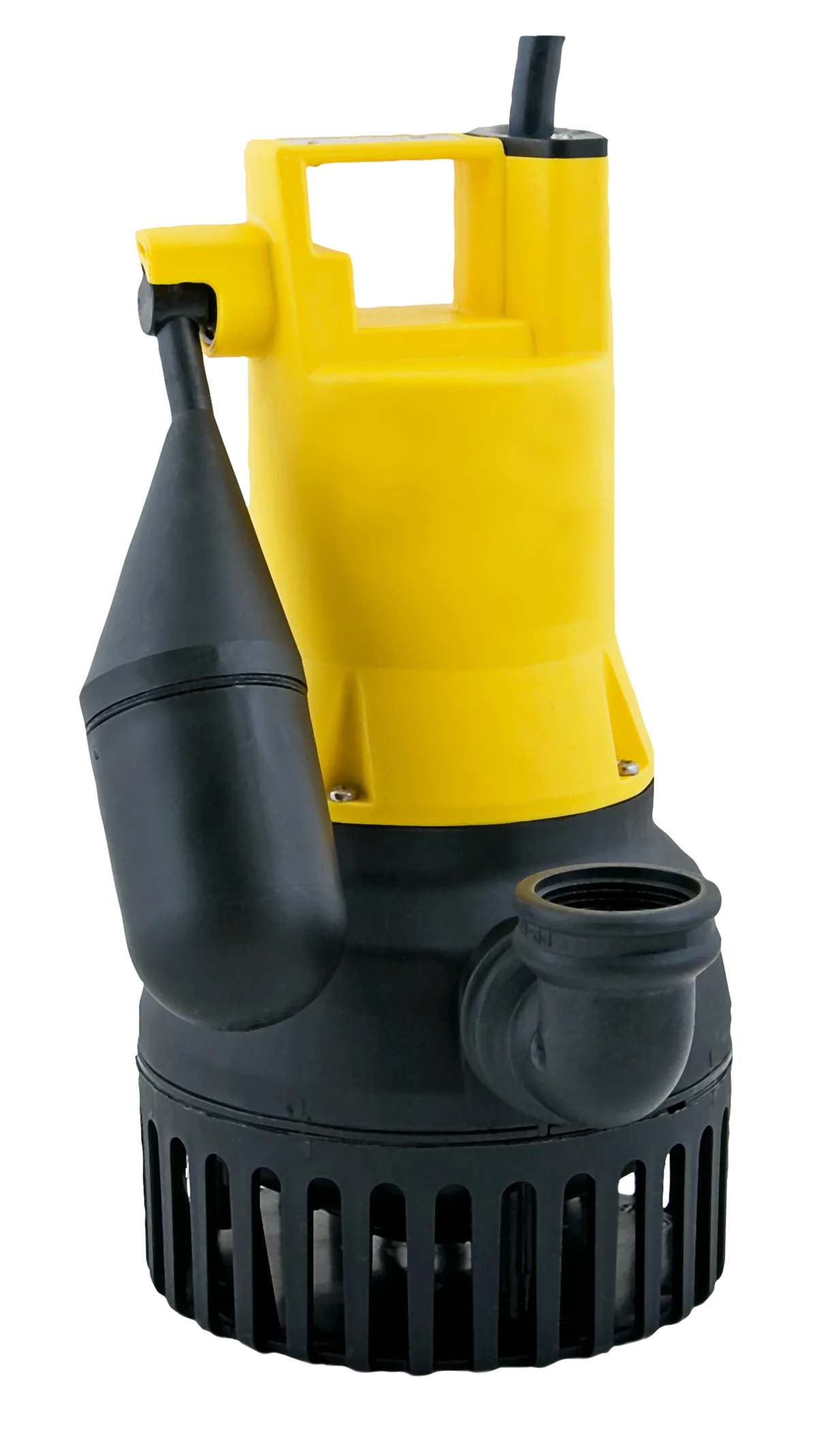
When to Repair, When to Replace, and What to Buy Instead
If the rust is only on the exterior housing and you can sand and repaint it, repair makes sense. But if rust has pitted through the housing wall or corroded around the motor shaft, the pump is done. Continuing risks sudden failure during a storm.
Our research checked manufacturer specs across major brands. Submersible pumps in residential use last 3 to 5 years on average. Surface rust appearing within the first year usually means thin protective coating or poor-quality materials.
For a replacement, look for these features:
- Cast iron or stainless steel housing (not plastic)
- Powder-coated or epoxy-sealed finish
- Automatic float switch with debris guard
- Minimum 1/3 HP motor for most basements
Cast iron is heavier but resists rust better than steel with cheap paint. Stainless steel is lighter and nearly immune to rust, but it costs more. If your basement stays wet year-round, the extra cost pays off.
When it comes to installation depth, the pump should sit on a stable base, not directly on concrete. That small gap prevents moisture wicking and slows rust formation.
Frequently Asked Questions
Does rust mean my sump pump is unsafe?
Light surface rust is usually cosmetic. But rust on the motor housing or near electrical components creates real risk. Stop using it until inspected.
How long should a sump pump last before rusting?
Quality pumps last 3 to 5 years. Visible rust within the first year often means poor coating or constant submersion in corrosive water.
Can I prevent rust on my sump pump?
Keep the pump dry between uses. Store it elevated off wet surfaces. Apply a rust-resistant coating annually.
Consider a basin cover if the pit stays wet.
Why is my sump pit water orange or rusty?
Iron bacteria or oxidized metal from old pipes can stain water. Install a sediment filter or call a plumber to check your supply lines.
Should I replace a rusty check valve too?
Yes, if it is pitted or leaking. A failing check valve lets water flow backward, making the pump work harder and shortening its life.