
If your sump pump won't stop running, you're dealing with a common but frustrating basement issue. This constant cycling wastes energy and can burn out the motor prematurely. You'll need to identify whether it's a float switch problem, a check valve failure, or a plumbing issue.
Manufacturers like Zoeller and Liberty Pumps specify that a properly functioning pump should cycle every 30 seconds to 5 minutes. Here's how to find and fix what's causing yours to run nonstop.
Why Is My Sump Pump Cycling So Much?
A sump pump that cycles too frequently usually indicates one of three problems. Understanding the root cause prevents you from throwing parts at the issue.
What a normal cycle looks like:
| Component | Normal Behavior | What's Wrong If… |
|---|---|---|
| Float switch | Rises with water, triggers pump at ~6" level | Stays stuck up, triggers constantly |
| Check valve | Seals after pumping, holds water in pipe | Leaks back, water returns to pit |
| Discharge pipe | Carries water 10+ feet from foundation | Blocked or frozen, water backs up |
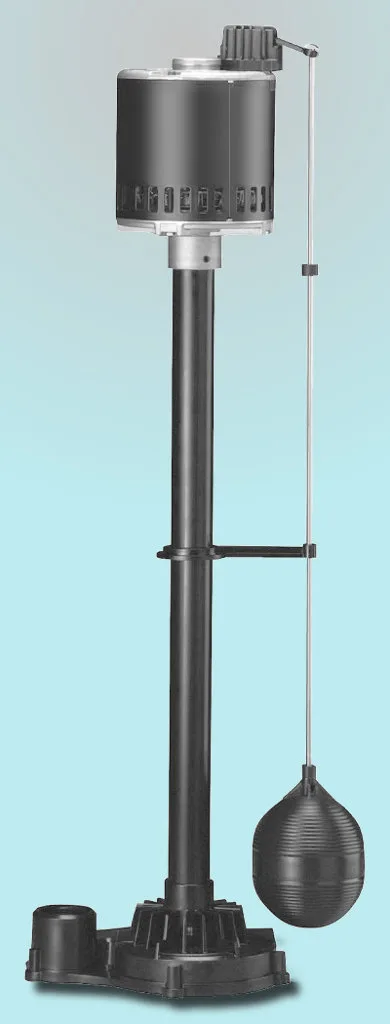
The float switch is the most common culprit. It's a buoyant device that rises with the water level. When it hits a preset height, it flips the pump on.
When water recedes, it drops and turns the pump off.
Three main failure modes:
- Stuck float: Debris holds the switch up, keeping the pump running continuously
- Failed check valve: Water flows back into the pit after each cycle, triggering the pump again immediately
- Oversized pit or undersized pump: The pump can't keep up, so it runs constantly without reaching shut-off
How to Diagnose the Real Cause of Constant Cycling
Start with the simplest checks before tearing into anything. Power on, listen for the pump, and observe the cycle pattern.
Is the Float Switch Stuck?
Lift the pump's float switch (that round ball on a wire) by hand. The pump should start immediately. Let go and it should stop within 30 seconds.
If it doesn't, the switch is getting false signals.
Check for these red flags:
- The float rubs against the pit wall
- A loose discharge pipe is pushing the switch around
- Small debris jamming the mechanism
- The switch cord is tangled in the pump's discharge pipe
Is the Check Valve Working?
After the pump shuts off, you should hear a distinct click from the check valve. This one-way gate prevents water from flowing backward through the discharge pipe. If you hear gurgling instead of clicking, the valve is letting water return to the pit.
To test manually: Turn off power. Remove the pump from the pit. Hold your thumb over the discharge opening and shake the pump.
You should feel resistance as the internal check valve tries to close. No resistance means it's failed open.
Is the Discharge Line Blocked?
Walk the path from your basement to where the pipe exits outdoors. Look for:
- Kinks or sharp bends in PVC piping
- Ice dams blocking the exit point in winter
- Tree roots infiltrating underground lines
- Debris clogging the outdoor discharge
A blocked line creates backpressure that can prevent proper shutoff. The pump keeps trying to push water that can't escape.
Step-by-Step Fixes Based on Your Specific Problem
Fix 1: Clear a Stuck Float Switch
What you'll need:
- Work gloves
- Flashlight
- Shop vacuum (for water removal)
- Turn off power to the pump at the GFCI outlet or circuit breaker
- Remove the pump from the pit carefully, noting hose and wire positions
- Inspect the float switch for debris, damage, or entanglement
- Clean the pit walls and floor of any sediment or objects that could interfere
- Reposition the pump so the float moves freely without rubbing anything
- Restore power and test the cycle
Fix 2: Replace a Failed Check Valve
What you'll need:
- New check valve ($20-$40)
- PVC pipe cutter or hacksaw
- Threaded coupling and PVC cement
- Bucket for any residual water
- Shut off power and disconnect the discharge pipe
- Cut the pipe above the existing check valve
- Install the new valve following manufacturer orientation marks (arrow points upward toward discharge)
- Reconnect discharge piping with proper couplings
- Test for leaks and proper shutoff
Fix 3: Unblock the Discharge Line
- Locate the outdoor discharge point and check for ice or debris
- Use a garden hose to flush the line from the outdoor end backward
- For underground blockages, consider hiring a professional with a motorized snake
- Insulate exposed pipes to prevent future freezing issues
Per ASME B31.9 code standards, all sump pump discharge installations should maintain a minimum 2% slope away from the foundation.
Common Mistakes That Waste Time and Money
Replacing the entire pump when it's actually a $25 check valve doing its job correctly. This happens more than we'd like to admit. Before ordering a new unit, verify the actual failure point.
The top three misdiagnoses we see:
- Replacing a working pump: The float was just tangled in the discharge pipe. A 10-minute reposition job would have solved it.
- Ignoring the check valve: Installers sometimes omit this component entirely during basement finishing. Water silently flows back into the pit after each cycle.
- Overlooking plumbing slope: If your discharge line runs level or uphill, gravity fights every pumping attempt. The pump works harder but never achieves proper shutoff.
Also avoid these pitfalls:
- Never test the pump with the pit lid removed while standing in water
- Don't bypass GFCI protection to "keep the pump running"
- Never install without checking your local plumbing codes first
- Installing a backup pump without understanding its alarm system leads to surprise battery failures
Sump Pump Cycling FAQs
### How do I know if my float switch is bad?
A failing float switch either won't trigger the pump at all or keeps it running constantly. If manually lifting and lowering the switch doesn't start and stop the pump reliably, replace it.
### Can I replace the check valve myself?
Yes, if you're comfortable with basic plumbing. The valve installs in the vertical discharge pipe between the pump and the exit point. Just make sure the arrow marking points upward.
### Why does my pump keep running after the water is gone?
This points to either a stuck float switch or a failed check valve allowing water to return to the pit. Isolate which one by observing whether the float returns to its down position properly.
### How often should a sump pump cycle?
Normal operation cycles every 30 seconds to 5 minutes depending on water ingress. Constant cycling within seconds of shutdown indicates a system problem that needs addressing.
### Will a larger pump solve constant cycling?
Not usually. Oversized pumps can actually worsen cycling by creating too much drawdown in the pit. The issue typically lies in the switch, valve, or plumbing, not pump capacity.