
Figuring out how to tell if a sump pump is clogged starts with listening to the motor and watching the water level. You can usually diagnose the specific blockage type in under five minutes without pulling the unit from the pit. Most homeowners mistake electrical failures for clogs, but the symptoms are distinctly different when you know what to look for.
Manufacturer specifications indicate that a healthy 1/3 HP pump should cycle off within ten seconds of activation under normal head pressure. Per International Residential Code standards, discharge lines must maintain consistent flow without restriction to prevent basement flooding. We have organized these diagnostic signals into a practical workflow so you can identify the exact problem safely.
Quick Symptom Check: Is Your Sump Pump Actually Clogged?
A clogged sump pump typically hums without moving water or runs continuously while the basin stays full. Debris blocks the intake screen or impeller, preventing proper drainage despite motor operation. Listen for strained sounds rather than smooth mechanical rotation during activation cycles.
Check the float switch movement first to rule out simple mechanical sticking.
The 3-Second Diagnostic Test
Unplug the pump and manually lift the float switch to its highest position. Plug it back in while holding the float up to bypass automatic sensors. If the motor hums loudly but no water discharges, you likely have an intake or impeller clog.
Silence or immediate tripping suggests electrical failure instead of a physical blockage.
Distinguishing Clogs from Motor Failure or Air Locks
Clogs create resistance that strains the motor, often producing grinding noises or excessive heat. Electrical failures usually result in complete silence, burning smells, or instant breaker trips. An air lock mimics a clog but occurs after recent service or dry running.
Air locks resolve by venting the weep hole, while true clogs require physical debris removal.
Step-by-Step Clog Diagnosis Workflow
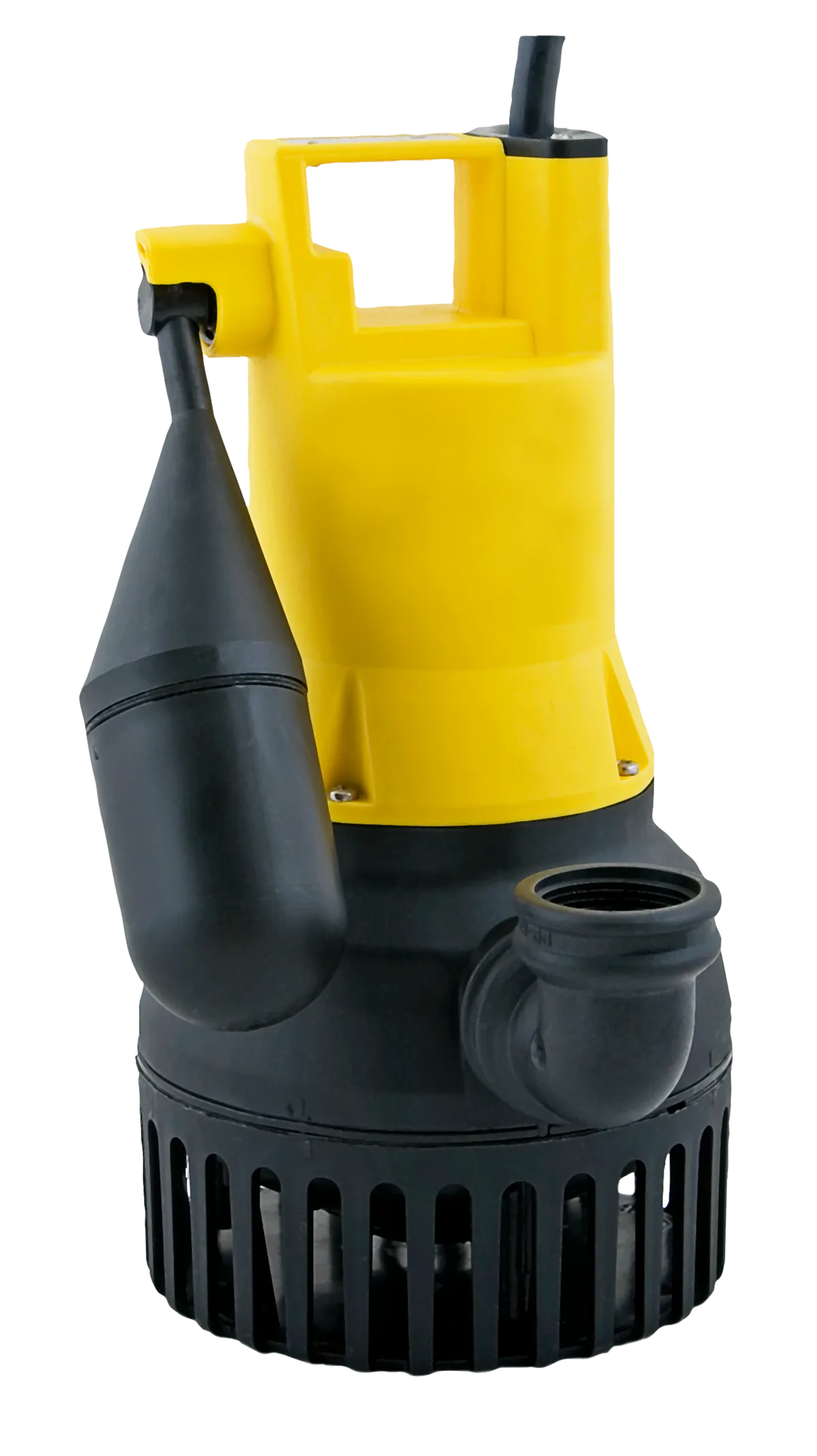
Image source: Wikimedia Commons / PumpExpert (CC BY-SA)
This diagnostic path helps you isolate the issue before attempting any repairs. Always disconnect power at the GFCI outlet before reaching into the sump pit. Water and electricity are a dangerous combination that requires strict safety protocols.
Follow each branch based on your initial symptom observation to avoid unnecessary disassembly.
Branch 1: Water Won’t Drain But Motor Hums
If the motor runs but water stays put, debris likely blocks the intake screen or impeller. Shine a flashlight into the pit to check for visible gravel, roots, or sediment buildup. Use a wooden dowel to gently probe the intake grate for obstructions without damaging components.
This simple visual inspection resolves many apparent pump failures in older basements requiring routine upkeep.
Branch 2: Pump Runs Continuously Without Lowering Water
Continuous running with high water levels points to a stuck check valve or frozen discharge line. Inspect the vertical pipe section above the pump for ice accumulation in winter climates. Tap the check valve body lightly to see if the internal flapper moves freely.
A seized valve forces the pump to recirculate water endlessly, eventually overheating the motor.
Branch 3: Intermittent Flow or Gurgling Sounds
Gurgling indicates partial blockages or air trapped in the discharge line. Check the weep hole between the pump and check valve for mineral deposits or slime. Partial clogs allow some flow but reduce efficiency dramatically over time.
This symptom often precedes total failure, making early intervention critical for protecting finished spaces below grade.
Safe Clearing Methods and Mistakes That Burn Out Motors
Clearing a clog safely requires patience and the right approach to avoid permanent damage. Never force tools into the impeller housing or use metal objects near plastic components. Aggressive cleaning methods crack housings and void manufacturer warranties instantly.
Proper technique preserves both your equipment and your personal safety during maintenance tasks.
How to Clear Intake, Impeller, and Discharge Blockages
Remove the pump from the pit only after confirming power is disconnected at the source. Flush the intake screen with a garden hose to dislodge soft sediment and organic matter. For stubborn impeller jams, consult your owner manual for specific access procedures unique to your model.
Discharge line clogs may require a plumber’s snake or professional hydro-jetting service.
Critical Safety Steps Before Touching the Pump
Always test the GFCI outlet functionality before beginning any diagnostic work in wet environments. Wear rubber-soled shoes and insulated gloves when working around standing water. Keep a second person nearby when servicing electrical equipment in confined basement spaces.
These precautions align with National Electrical Code requirements for ground fault protection in damp locations.
Common Errors That Void Warranties or Cause Flooding
Running the pump dry to "test" it burns out seals and destroys thermal protection systems. Using chemical drain cleaners in sump pits corrodes plastic components and kills beneficial bacteria. Ignoring repeated short cycling accelerates wear far beyond normal operational expectations.
Understanding these pitfalls prevents costly mistakes similar to those seen when troubleshooting appliance error codes without proper guidance.
Frequently Asked Questions About Sump Pump Clogs
Can a clogged sump pump trip a circuit breaker?
Yes, severe clogs increase amperage draw enough to trip breakers or GFCI outlets. The motor works harder against resistance, generating excess current that triggers safety mechanisms. Repeated tripping indicates either a serious blockage or failing motor windings.
Address the root cause immediately rather than simply resetting the breaker repeatedly.
How often should I inspect my sump pump for clogs?
Quarterly inspections catch most clogs before they cause emergency failures. Test the system by pouring water into the pit and observing complete drainage cycles. Annual deep cleaning removes accumulated sediment that restricts flow gradually over time.
Seasonal checks are especially important before spring thaw and heavy summer storm periods.
Does homeowner insurance cover sump pump clog damage?
Most standard policies exclude sump pump failures unless you carry specific water backup endorsements. Insurance typically covers sudden accidental discharge but denies claims for neglected maintenance issues. Document your maintenance history to support any potential claims involving equipment failure.
Review your policy declarations page to confirm actual coverage limits and exclusions.
What tools do I need to diagnose a sump pump clog?
Basic diagnosis requires only a flashlight, wooden dowel, and multimeter for electrical testing. A garden hose helps flush intake screens without removing the pump assembly. Plumbing snakes address discharge line blockages beyond reach of simple flushing methods.
Specialized impeller tools vary by manufacturer and model, so check documentation before purchasing equipment.