
Figuring out how to know if a sump pump needs replacing starts with listening and observing. Most units give clear warning signs before they fail completely. You just need to know what those signals actually mean for your basement's safety.
Manufacturer specifications indicate an average lifespan of seven to ten years for residential submersible models. Units running past this window face exponentially higher failure risks during heavy storms. Let’s walk through the diagnostic steps to confirm your pump’s true condition.
how to know if a sump pump needs replacing
You know a sump pump needs replacing when it exceeds ten years old. Loud grinding noises signal internal motor bearing failure. Continuous running without water indicates a stuck switch mechanism.
Frequent circuit breaker tripping points to electrical shorts inside the sealed housing. Visible rust or corrosion on the cast iron body confirms structural compromise.
The 5-Minute Sump Pump Diagnostic Test
This quick assessment tells you immediately if your pump is healthy or dying. Start by checking the manufacturer date code stamped on the motor housing. Any unit older than ten years should be scheduled for proactive replacement regardless of current performance.
Age alone is the single most reliable predictor of imminent failure.
Next, perform a manual activation test using the float switch. Lift the float arm slowly while the pump is plugged into a GFCI outlet. The motor should engage instantly and run smoothly without hesitation or strange vibrations.
A delayed start or humming sound means the capacitor or impeller is failing.
Listen carefully to the motor pitch during this thirty-second test cycle. Healthy pumps produce a consistent low hum with steady water flow. Grinding, rattling, or screeching sounds indicate worn bearings or debris jamming the vortex impeller.
These mechanical failures rarely resolve with simple cleaning and usually require full unit replacement.
Finally, verify discharge line flow at the exterior termination point. Weak trickle output despite strong motor noise suggests a clogged check valve or cracked pipe. Strong pulsing flow confirms the pump is moving water efficiently against head pressure.
This simple visual check separates plumbing issues from actual pump motor problems.
Decision Tree: Repair, Clean, or Replace?
Use this conditional workflow to determine your next step after testing. Each symptom points to a specific action based on component accessibility and cost. Making the right call now prevents emergency flooding later.
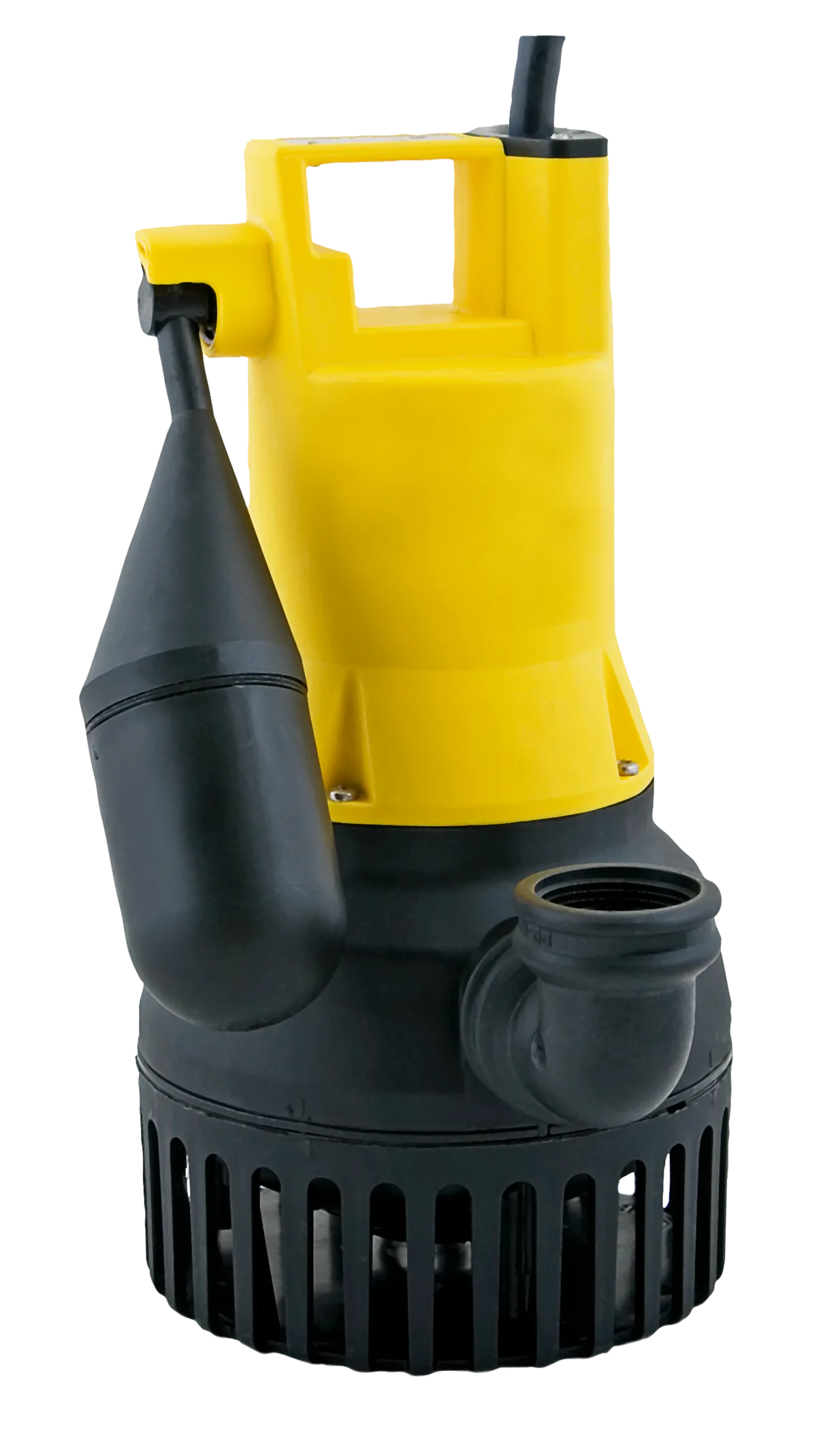
Image source: Wikimedia Commons / PumpExpert (CC BY-SA)
If the pump hums but doesn’t move water, check the intake screen first. Debris clogging the impeller chamber mimics motor failure in many cases. Cleaning the pit and flushing the intake often restores full function within minutes.
Only replace the unit if cleaning fails to restore proper flow.
If the float switch sticks or activates erratically, inspect the tether mechanism. Vertical float switches frequently get caught on basin walls or discharge pipes. Adjusting the switch position or clearing obstructions solves this without buying new parts.
Replace only if the switch arm is physically broken or corroded.
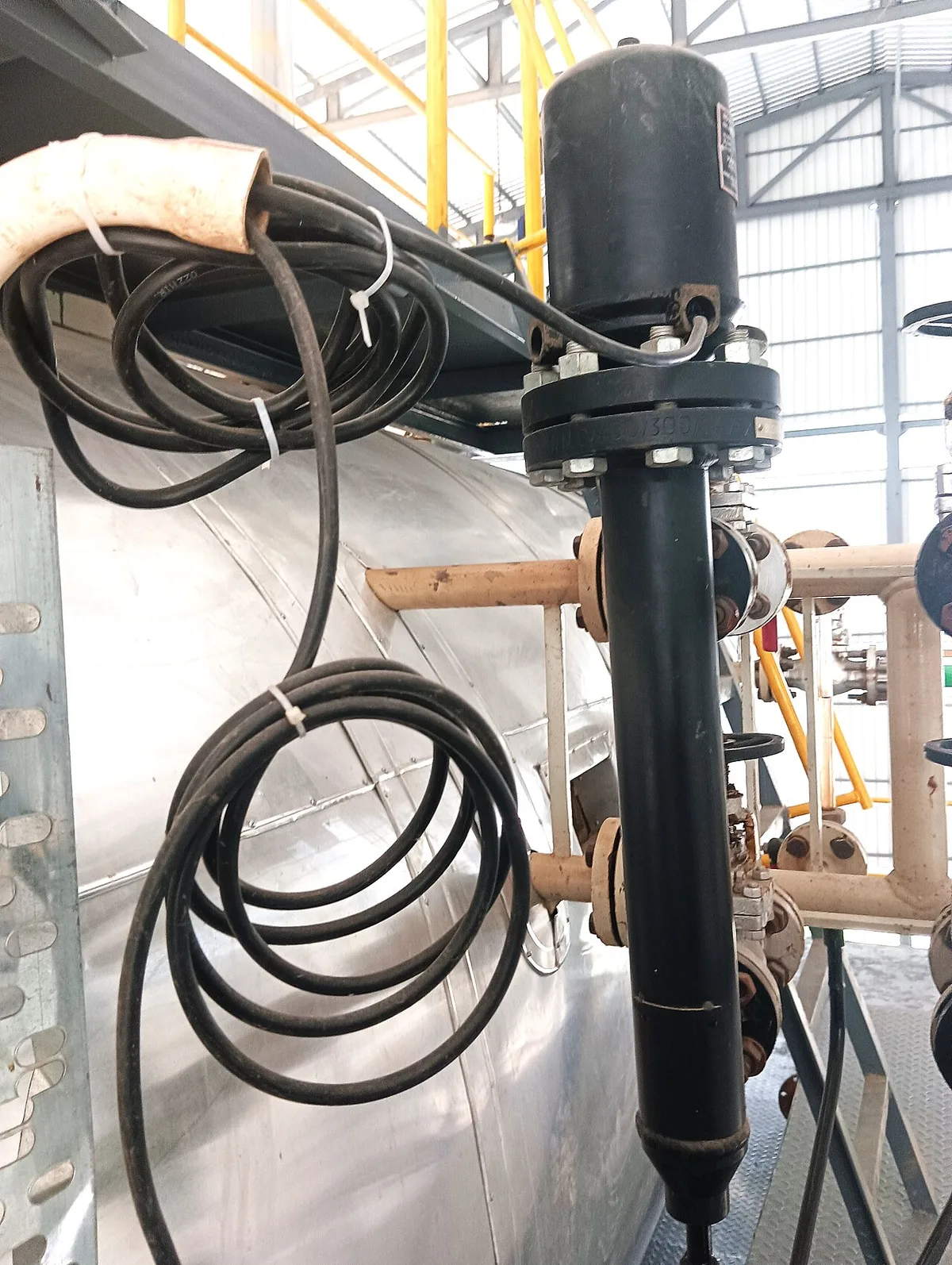
Image source: Wikimedia Commons / Palagiri
If the motor trips the GFCI outlet repeatedly, unplug it immediately. This indicates water has breached the hermetically sealed motor housing. No repair option exists for compromised electrical seals in submersible pumps.
Full replacement is mandatory to prevent shock hazards and future flooding events.
If the unit runs continuously even when the pit is dry, test the check valve. A failed valve allows discharged water to flow back into the basin endlessly. Replacing this twenty-dollar component fixes the cycling problem in most situations.
Continuous running with a functional valve means the switch itself needs replacement.
| Symptom | Likely Cause | Action Required |
|---|---|---|
| Humming, no flow | Clogged intake or jammed impeller | Clean pit and flush intake screen |
| Stuck float switch | Obstruction or misalignment | Reposition switch or clear debris |
| GFCI tripping | Water intrusion in motor seal | Immediate full pump replacement |
| Continuous dry running | Failed check valve or bad switch | Replace valve first, then switch |
| Loud grinding noise | Worn motor bearings | Schedule replacement within 30 days |
For more complex home system diagnostics, our guide on interpreting appliance fault signals follows similar troubleshooting logic. Systematic elimination always beats guesswork when protecting your property from water damage.
When Age and Cost Make Replacement the Only Option
Sometimes repair isn't worth the effort even if technically possible. Labor costs for disassembling older units often exceed new pump prices. Knowing these thresholds saves money and reduces stress during storm season.
Units over seven years old with any mechanical issue should typically be replaced. The remaining service life rarely justifies repair labor exceeding one hundred dollars. New mid-range submersible pumps cost between two hundred and four hundred dollars as of 2026.
Professional installation adds another two hundred to four hundred depending on regional rates.
Consider upgrading if your current pump lacks modern safety features. Thermal overload protection prevents motor burnout during extended dry-run cycles. Electronic smart switches eliminate mechanical float arm failures entirely.
These improvements provide reliability that older mechanical designs simply cannot match.
Budget for replacement proactively rather than reactively. Emergency weekend service calls carry premium pricing and limited model availability. Scheduled weekday replacements allow proper sizing and quality selection.
This approach also lets you install a battery backup system simultaneously for added security.
Regular maintenance extends life but cannot stop eventual wear. Annual pit cleaning and switch testing remain essential regardless of pump age. Think of replacement as planned infrastructure renewal rather than unexpected disaster response.
This mindset shift makes budgeting easier and reduces panic when symptoms appear.
Common Sump Pump Questions Answered
How long do residential sump pumps typically last?
Most submersible residential pumps last seven to ten years under normal conditions. Pedestal models may reach fifteen years due to accessible motors staying dry. Heavy usage in high-water-table areas shortens lifespan significantly.
Manufacturer warranties ranging from one to five years offer rough reliability indicators.
Can I replace just the float switch instead of the whole pump?
Yes, external float switches are replaceable components costing twenty to fifty dollars. Internal switches integrated into sealed motor housings cannot be serviced separately. Check your model’s manual to confirm switch accessibility before purchasing parts.
Switch replacement makes sense only for pumps under seven years old.
What size pump do I need for my basement?
Sizing depends on basin diameter, vertical lift height, and horizontal pipe run length. Most standard residential basements work fine with one-third or one-half horsepower units. Oversized pumps cause destructive short cycling that wears components prematurely.
Consult manufacturer flow charts matching your specific head pressure requirements.
Should I install a battery backup system too?
Battery backups protect against power outages during severe storms when flooding risk peaks. They typically provide six to twelve hours of intermittent pumping capacity. Water-powered backups offer unlimited runtime but require adequate municipal water pressure.
Both systems add critical redundancy for finished basements with valuable contents.
Is DIY replacement safe for homeowners?
Competent DIYers can safely replace sump pumps following NEC Article 210.8 GFCI requirements. Electrical connections must use waterproof wire nuts rated for wet locations. Always verify local codes permit homeowner installation before starting work.
Hiring licensed professionals ensures compliance and warranty validity for complex installations.