
A French drain is a passive drainage system that collects groundwater through a gravel-filled trench with perforated pipe. A sump pump is an active pump that removes accumulated water from a sump basin. They work together in many basements.
How Each System Actually Works (And What It Handles)
A French drain operates entirely by gravity. You dig a trench, lay perforated pipe (typically 4-inch Schedule 40 PVC or corrugated) at the lowest point, cover it with gravel, then connect it to an outlet. Water flows through the pipe naturally, no electricity required.
A sump pump does the opposite: it collects water in an underground basin (the sump crock) and then actively pumps it out through a discharge pipe. This is essential when gravity drainage isn't possible, such as in basements below the exterior grade. Sump pumps rely on float switches or internal pressure sensors to activate automatically.
The key difference is that a French drain moves water horizontally through a pipe, while a sump pump moves water vertically upward against gravity. In many homes, both work as a team: the French drain collects groundwater from around the foundation, channels it to the sump basin, and the sump pump then discharges it far from the house.
Side-by-Side Comparison: When You Need One, Both, or Something Else
Most homeowners don't actually need to choose just one. Here's when each system shines on its own, and when you'll want them working together.
Choose just a French drain if your property has a natural slope and groundwater flows away from your foundation. You'll need at least 1% grade (that's about an inch per 8 feet) for gravity flow to work effectively.
Choose just a sump pump if you're dealing with an existing basement that already has some drainage but needs water actively removed. This is common in areas with high water tables or flat terrain where gravity drainage won't cut it.
Use both together in flood-prone or low-lying areas. The French drain acts as the collection network around your basement perimeter, feeding water into the sump basin, which then pumps it out. This combination handles both surface water and groundwater effectively.
| Feature | French Drain | Sump Pump |
|---|---|---|
| Operation | Passive (gravity) | Active (electric motor) |
| Moving parts | None | Float switch, impeller |
| Power needed | No | Yes |
| Best for | Sloped yards, new construction | Basements, flat areas |
| Maintenance | Very low | Annual check recommended |
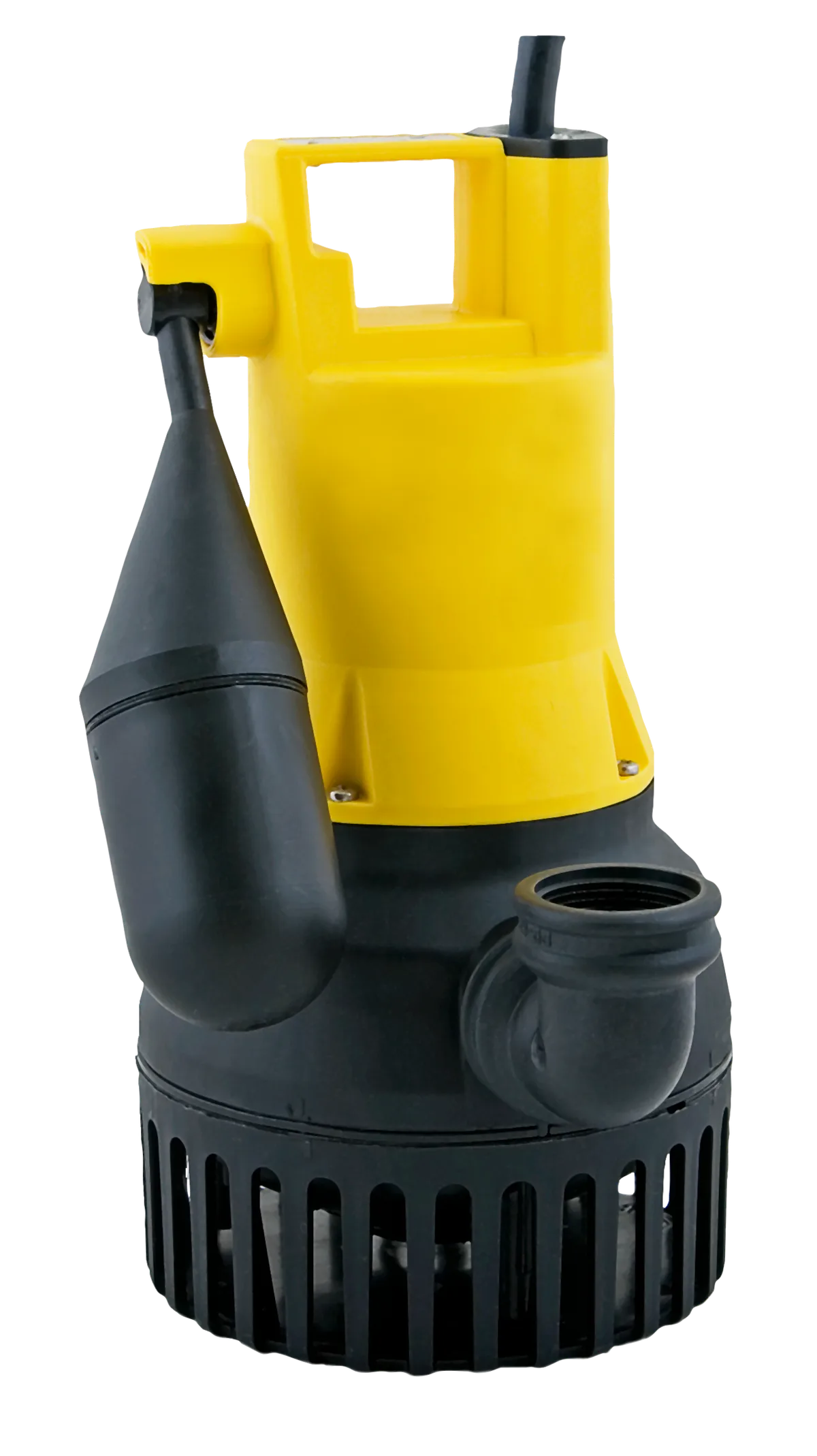
Image source: Wikimedia Commons / PumpExpert (CC BY-SA)
Installation Costs, Timeline, and Real-World Pricing
Installing a sump pump system typically costs between $500 and $1,500 for full installation, including the basin, pump, check valve, and discharge piping. DIY installation runs $100 to $300 for basic components, but you'll need to check local codes first.
French drain installation costs range from $10 to $50 per linear foot, depending on depth, soil conditions, and whether you need excavation through concrete. Interior French drains (also called basement gutter systems) cost more, often $50 to $100 per linear foot.

Image source: Openverse / Richwoodflooring (PDM 1.0)
Timeline varies significantly by project scope. A simple sump pump installation takes 4 to 6 hours. A full French drain system around a 2,000-square-foot basement takes 2 to 3 days, including excavation, pipe installation, and concrete repair.
As of 2026, the most common request we see from homeowners combines both systems, with the French drain serving as the collection network and the sump pump handling the active removal.
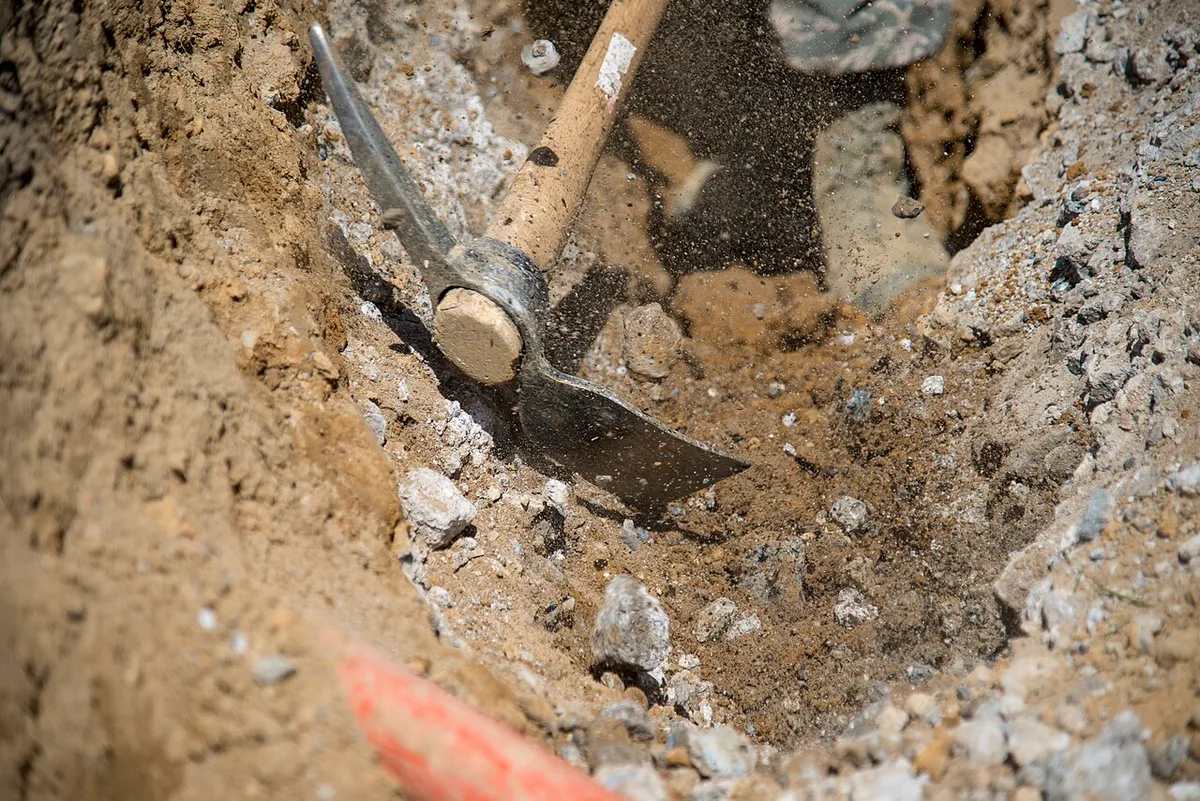
Image source: Wikimedia Commons / U.S. Air Force photo by Airman 1st Class Jonathan Harding
Frequently Asked Questions
Do I need both systems in my basement?
If you have chronic moisture issues and live in a flood-prone area, yes. The French drain collects water from around the perimeter, while the sump pump actively removes it. However, if you have good natural grading away from your foundation, a sump pump alone may suffice for peace of mind during heavy rains.
How much maintenance does each require?
French drains require minimal maintenance once installed, though they can clog with sediment over time. Sump pumps need annual inspection, including checking the float switch, cleaning the basin, and testing the backup system. Most manufacturers recommend replacing sump pumps every 6 to 10 years, per ASHRAE residential standards.
Can I install these myself?
Sump pump installation is straightforward for most DIYers with basic plumbing skills. French drain installation requires more excavation work and proper grading, making it challenging for beginners. Local building codes often require permits for both systems, especially when electrical work is involved.
What happens if my sump pump fails?
Without a functioning pump, your basement can flood quickly during heavy rain or rapid snowmelt. Most homeowners protect against this with backup systems, either a battery-powered pump or a water-powered ejector. EPA guidelines recommend having a backup plan before installing any primary sump system.