
Figuring out how much does it cost to run a sump pump depends entirely on your local electricity rate and actual runtime. Most homeowners spend between $3 and $15 monthly during normal conditions. Costs only spike significantly during heavy rain events or if mechanical issues force continuous operation.
A standard 1/2 HP submersible pump typically draws about 6 amps at 115 volts under load per manufacturer specifications. We use this baseline combined with current utility rates as of 2026 to build accurate estimates below. Let’s break down exactly what you will pay based on real duty cycles.
The Real Cost to Run a Sump Pump: Monthly Estimates by Horsepower and Climate
The average cost to run a sump pump ranges from $30 to $150 annually for most homes. Your specific bill depends on horsepower, local kWh pricing, and seasonal groundwater levels. Dry months often cost less than five dollars while wet springs can triple that amount.
Estimated Monthly Operating Costs
| Pump Size | Light Rain / Dry Season | Heavy Rain / Wet Season | Continuous Fault Condition |
|---|---|---|---|
| 1/3 HP (4 amps) | $2 to $4 | $8 to $15 | $45 to $60 |
| 1/2 HP (6 amps) | $3 to $6 | $12 to $22 | $65 to $90 |
| 3/4 HP (8 amps) | $4 to $8 | $16 to $30 | $90 to $120 |
These figures assume a national average residential rate of roughly $0.17 per kWh. Homes in the Pacific Northwest or Great Lakes region should expect costs at the higher end due to extended saturation periods. Arid climates will consistently track toward the lower estimates unless irrigation runoff affects the water table.
Remember that these are operating costs only. They do not include wear from routine upkeep or premature failure caused by electrical faults. Understanding baseline spending helps you spot when something is mechanically wrong before it burns out the motor.
How to Calculate Your Exact Sump Pump Electricity Usage
You can calculate precise sump pump energy costs by measuring actual amp draw and logging runtime minutes. Nameplate ratings show maximum potential draw rather than typical operating consumption. Real measurements give you budget accuracy instead of theoretical guesses.
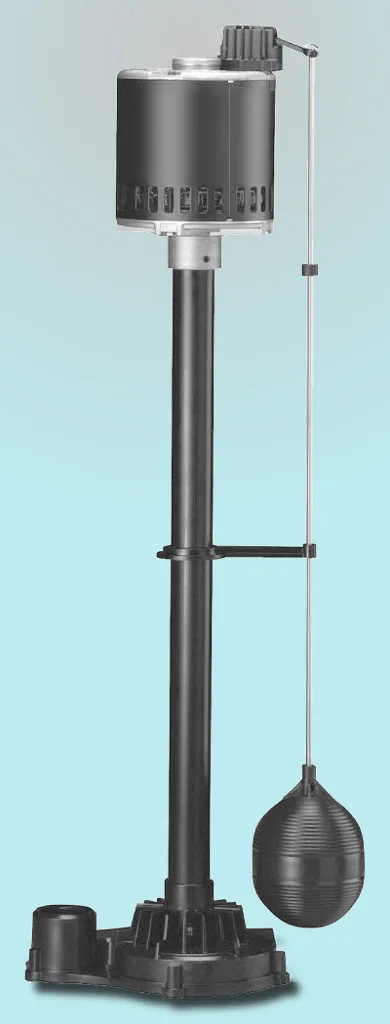
Image source: Wikimedia Commons / Own work (CC BY-SA)
Step-by-Step Calculation Method
- Measure running amps: Use a clamp meter on the hot wire while the pump runs to get true load amperage.
- Log daily runtime: Track total minutes per hour over a representative 24-hour period using a stopwatch or smart plug.
- Convert to kilowatts: Multiply measured amps by voltage then divide by 1000 to get kW draw.
- Apply duty cycle: Multiply kW by daily runtime hours to find actual daily energy consumption.
- Calculate cost: Multiply daily kWh by your utility rate found on your latest electric bill.
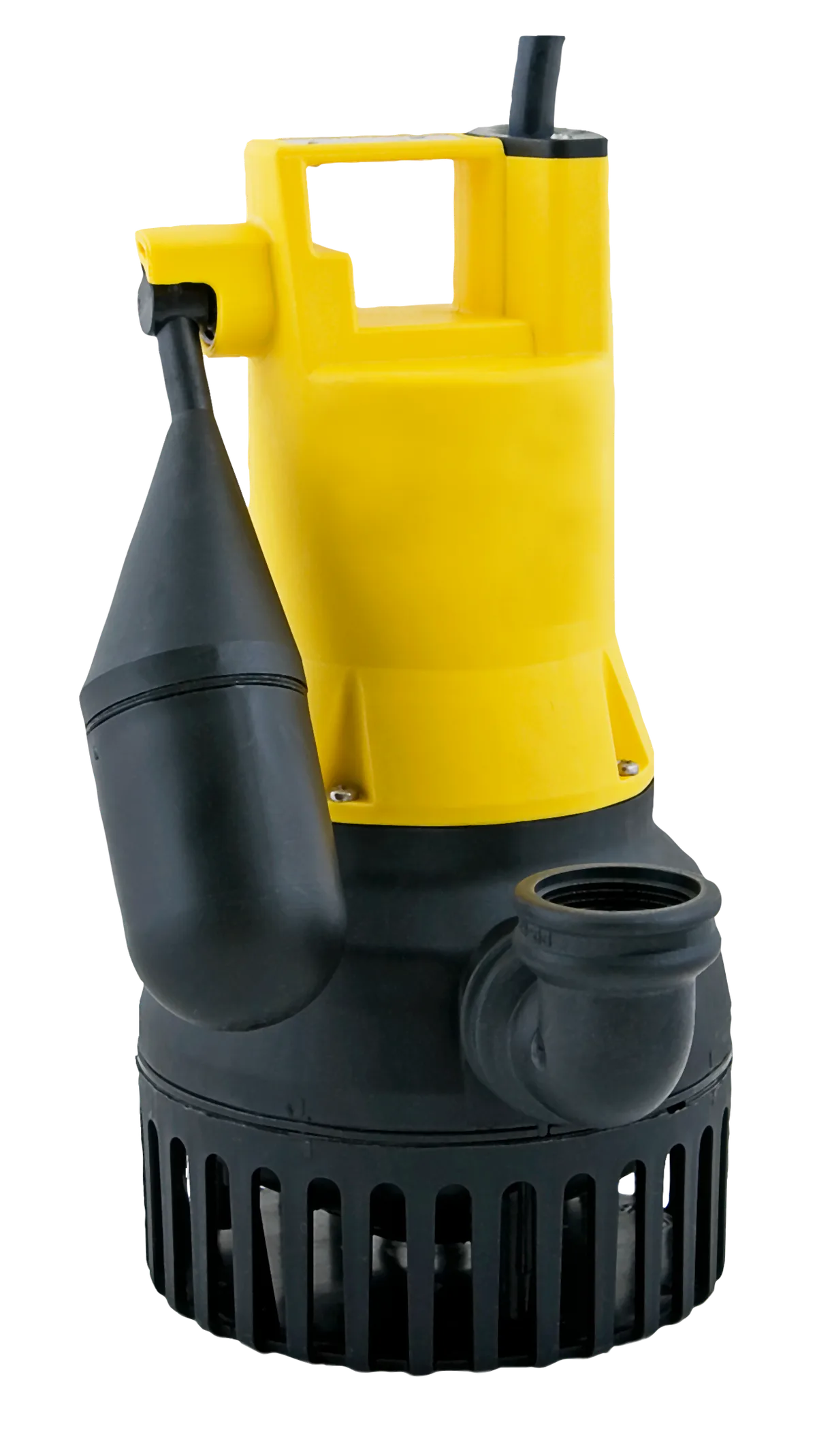
Image source: Wikimedia Commons / PumpExpert (CC BY-SA)
This method accounts for voltage fluctuations and motor efficiency losses that generic calculators miss. You might discover your 1/2 HP pump actually draws 5.2 amps instead of the rated 6 amps during normal head pressure. That difference saves you money annually compared to worst-case assumptions.
Always verify electrical safety procedures before opening any panel or testing live circuits. If you are uncomfortable working around water and electricity simultaneously, hire a licensed electrician to perform the measurement. Accurate data matters but never at the expense of personal safety.
Why Your Bill Spikes: Duty Cycles, Short Cycling, and Mechanical Issues
Unexpected cost increases usually signal mechanical problems rather than just weather changes. A healthy pump has predictable seasonal patterns tied directly to precipitation and snowmelt. Sudden spikes without corresponding rainfall indicate inefficiency or component failure requiring attention.
Common Causes of Excessive Runtime
- Short cycling: Rapid on-off switching wastes startup surge energy and burns contacts prematurely. This often stems from a stuck float switch or undersized pit volume.
- Check valve failure: Water flows back into the pit after each cycle forcing immediate re-pumping. Replacing a worn flapper restores efficiency and cuts runtime significantly.
- Frozen discharge lines: Ice blockages prevent proper drainage causing the pump to run continuously against deadhead pressure. Installing heat tape or burying pipe below frost line prevents this winter issue.
- Clogged impeller: Debris reduces flow rate so the pump runs longer to move the same water volume. Cleaning the intake screen and volute restores designed performance.
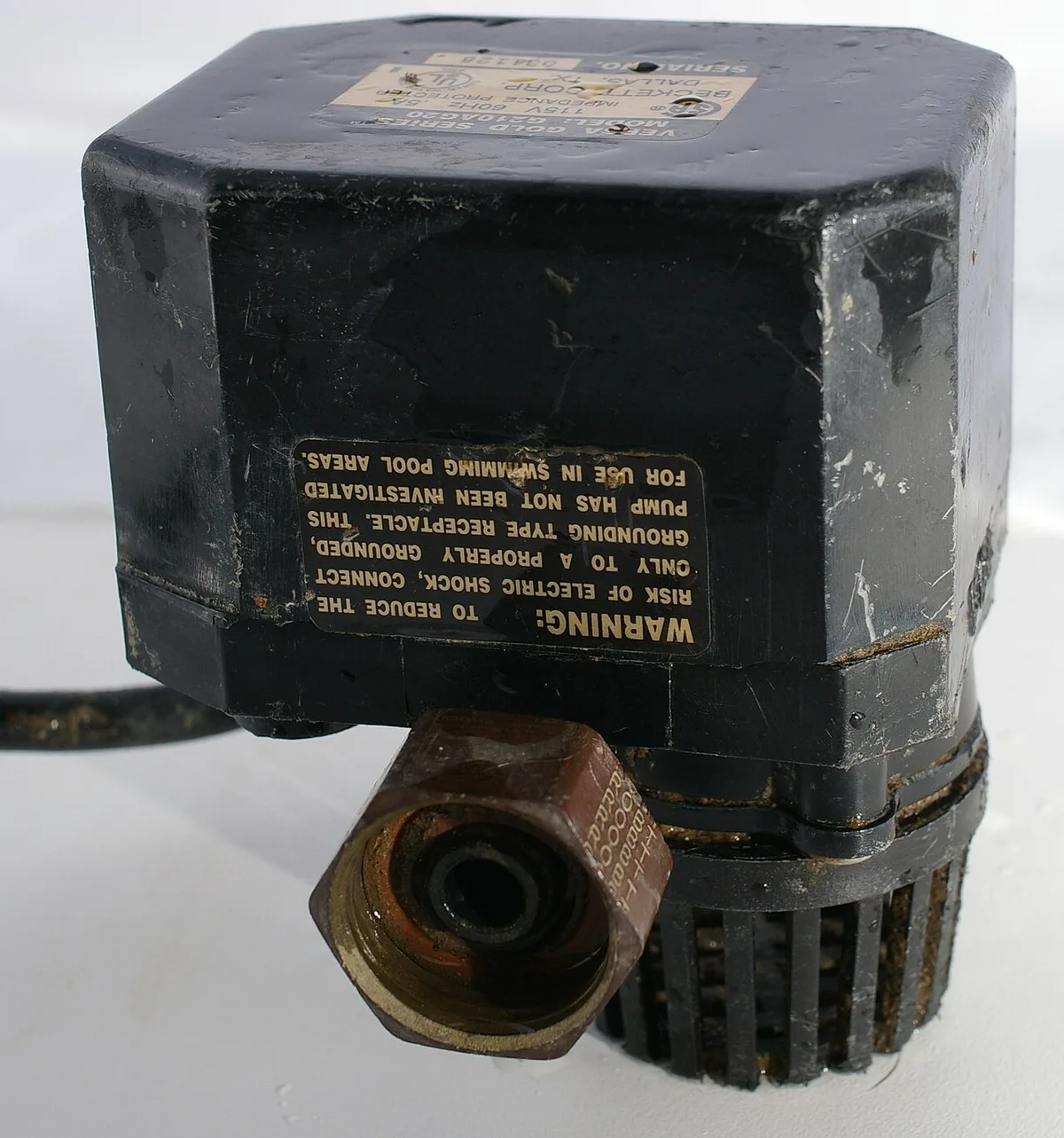
Image source: Wikimedia Commons / Hustvedt (CC BY-SA)
Monitoring trends helps distinguish weather impacts from mechanical faults. Just as you would troubleshoot appliance error codes systematically, track pump behavior against rainfall records. Consistent runtime during dry spells means something needs repair regardless of season.
Addressing these issues promptly prevents motor burnout and basement flooding. Small fixes like cleaning a float arm cost pennies compared to replacing a seized motor or remediating water damage. Proactive maintenance keeps operating costs stable year after year.
Sump Pump Running Costs FAQ
Does a sump pump use a lot of electricity?
Sump pumps use minimal electricity during normal operation compared to major appliances. A typical 1/2 HP unit consumes about 700 watts only while actively pumping water. Annual costs rarely exceed $150 even in wet climates because duty cycles remain low outside storm events.
How much does it cost to run a sump pump per day?
Daily costs range from $0.10 during dry periods to $1.50 during heavy storms for standard residential pumps. Your exact rate depends on local electricity pricing and actual runtime minutes per hour. Most days fall well under fifty cents unless mechanical issues cause continuous operation.
Should I be worried if my sump pump runs constantly?
Constant running during dry weather indicates a serious problem requiring immediate inspection. Check for stuck floats, failed check valves, or frozen discharge lines first. Continuous operation without water movement will burn out the motor within days and risks basement flooding if the pump fails completely.
Is a 1/3 HP or 1/2 HP sump pump more efficient?
Efficiency depends on matching horsepower to your specific water volume and lift height requirements. An oversized 1/2 HP pump in a low-volume pit wastes energy through short cycling. A properly sized 1/3 HP unit running steady cycles often costs less annually than an oversized alternative fighting itself.