
If you are asking why does a sump pump keep tripping the gfci, the answer usually involves moisture or motor failure. A ground fault circuit interrupter detects tiny electrical leaks as small as 5 milliamps. This safety feature prevents shock but also signals that your pump has an internal problem.
Ignoring these trips risks both electrical danger and basement flooding during heavy rain.
Per UL 943 standards, GFCIs must trip at 5mA leakage to prevent electrocution in wet locations. This sensitivity means even minor insulation breakdown in an aging motor triggers immediate shutoff. We will walk through a diagnostic workflow to identify whether the fault lies in the pump, the outlet, or the wiring.
Why Does a Sump Pump Keep Tripping the GFCI
A sump pump keeps tripping the GFCI because current is leaking to ground. Moisture inside the motor housing creates this unintended path. Failing start capacitors can also cause leakage currents.
Damaged power cords expose wires to water. The GFCI detects this imbalance and cuts power instantly.
Step-by-Step Diagnostic Workflow to Isolate the Problem
You need a systematic approach to find the exact fault source. Randomly replacing parts wastes money and time. Follow this conditional workflow to isolate the variable causing the trip.
Always verify power is off before inspecting any wiring or components.
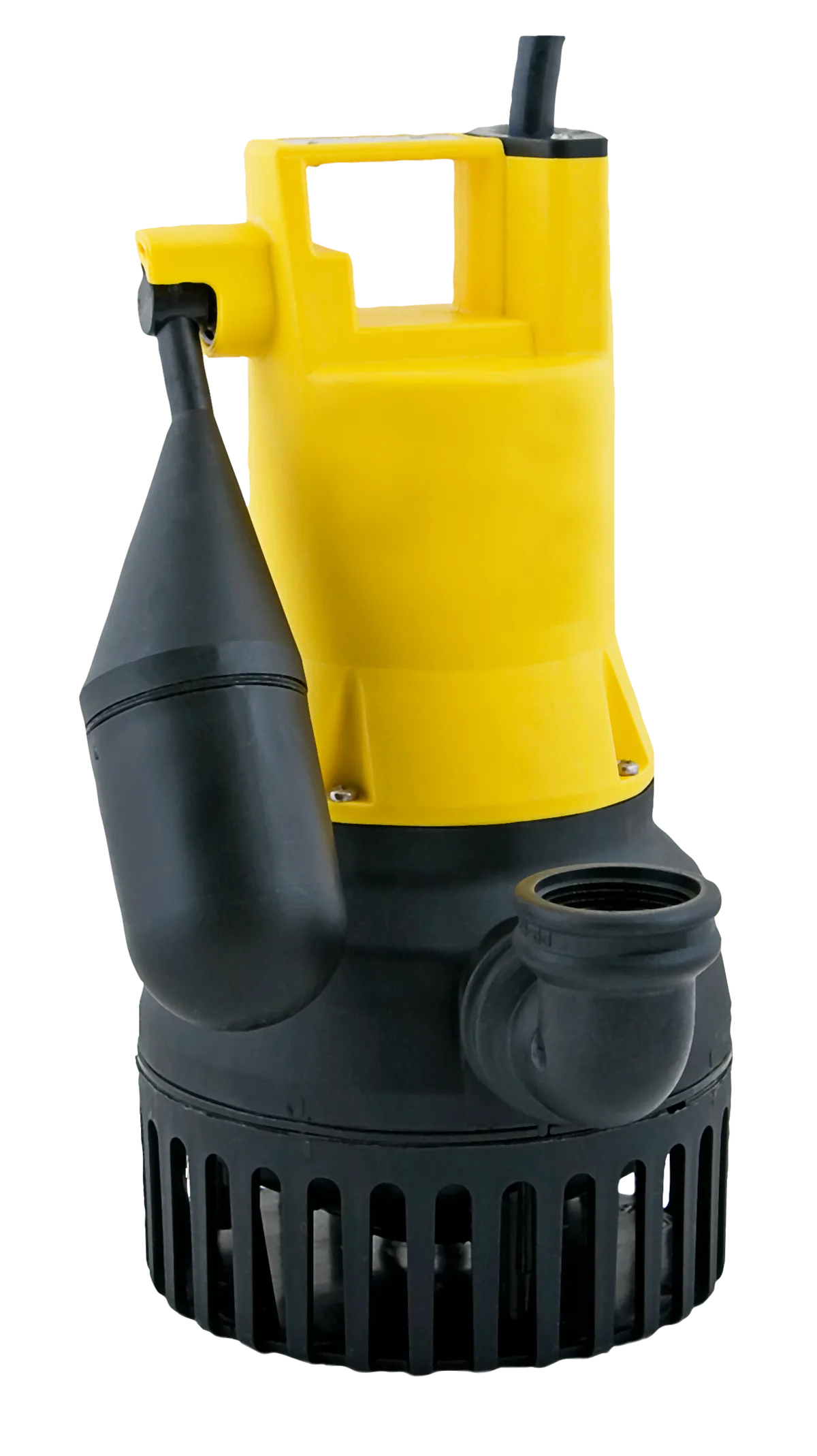
Image source: Wikimedia Commons / PumpExpert (CC BY-SA)
Is the Fault in the Outlet or the Pump?
Plug the pump into a known good non-GFCI outlet on a different circuit. If it runs without tripping that breaker, the original GFCI receptacle is likely faulty. GFCI devices degrade over time and become overly sensitive.
Replace the outlet if the pump operates normally elsewhere.
If the pump still trips the standard breaker or shows signs of arcing, the pump itself is defective. Do not continue testing a pump that sparks or smells like burning plastic. This confirms an internal short circuit requiring immediate replacement.
Troubleshooting electrical faults safely requires methodical elimination of variables.
Checking for Motor Winding Failure
Internal winding insulation breaks down after years of submersion and thermal cycling. Use a multimeter set to megohms to test resistance between the hot wire and ground prong. Healthy motors read above 1 megohm of resistance.
Readings below 0.5 megohms indicate compromised insulation allowing current leakage.
Image source: Wikimedia Commons / Motores.magallanes (CC BY-SA)
Moisture intrusion accelerates this dielectric breakdown significantly. Condensation forms inside sealed housings during temperature swings. Once water breaches the windings, drying rarely restores full integrity.
Our research shows most pumps with low insulation readings fail again within weeks. This diagnostic step mirrors how professionals assess appliance error codes to avoid unnecessary repairs.
Inspecting Cords and Connections
Examine the entire power cord length for nicks, cracks, or exposed copper. Even pinhole damage allows groundwater to create a ground fault path. Check where the cord enters the pump housing since stress fractures commonly occur here.
Replace damaged cords with manufacturer approved waterproof replacements only.
Verify the plug prongs are clean and free of corrosion. Green or white crust indicates past moisture exposure and ongoing conductivity issues. Clean contacts with electrical contact cleaner if corrosion is light.
Severely corroded plugs require complete cord replacement to ensure safe operation.
When to Replace the Pump vs. the Outlet (Decision Guide)
Deciding between repair and replacement depends on specific test results. Use this table to match your symptoms with the correct solution. Guessing leads to repeated failures and potential safety hazards.
| Symptom | Likely Cause | Recommended Action |
|---|---|---|
| Trips immediately upon plugging in | Cord damage or dead short | Inspect cord first then replace pump if intact |
| Runs briefly then trips | Overheating or capacitor failure | Test capacitor and check for debris blockage |
| Trips only during heavy rain | Water ingress or high water table | Seal pit cover and test insulation resistance |
| New GFCI trips old pump did not | Worn motor insulation | Replace pump due to degraded windings |
| Outlet test button fails | Defective GFCI device | Replace receptacle immediately |
Age matters significantly in this decision process. Sump pumps typically last seven to ten years under normal conditions. Units older than eight years showing ground faults should be replaced rather than repaired.
Repair costs often exceed half the price of a new reliable unit.
Consider upgrading to a pedestal pump if your pit frequently floods above motor level. Submersible units face constant moisture exposure accelerating wear. Pedestal models keep motors above water reducing ground fault risks.
This choice parallels selecting reliable equipment under budget constraints where longevity beats initial savings.
Critical Safety Warnings and Code Compliance
Never bypass a GFCI to stop nuisance tripping. Doing so removes life saving protection in a wet environment. The National Electrical Code mandates GFCI protection for all basement and crawlspace receptacles.
Compliance is not optional for occupied residential structures.
Water and electricity create lethal conditions instantly. Always shut off the circuit breaker before touching any sump pump components. Use insulated tools rated for electrical work.
Wear rubber soled shoes when working near standing water. These precautions prevent accidental shock during diagnosis.
Extension cords violate most manufacturer warranties and electrical codes for permanent installations. They introduce additional failure points and ground fault risks. Install a dedicated properly grounded outlet within six feet of the pit.
This ensures reliable operation and maintains insurance coverage validity.
Regular testing of GFCI outlets prevents false security. Press the test button monthly to verify proper function. Devices that fail to trip must be replaced immediately.
This simple habit catches failing protection before emergencies strike. Proper maintenance routines extend system life just like addressing mechanical fault indicators early prevents costly breakdowns.
Frequently Asked Questions About Sump Pump GFCI Issues
Can I use a standard outlet instead of GFCI for my sump pump?
No. The NEC requires GFCI protection for all unfinished basement receptacles including sump pumps. Using a standard outlet violates code and creates electrocution risk.
Modern GFCIs handle motor loads reliably when properly installed. Never sacrifice safety for convenience in wet locations.
Why does my new GFCI trip but the old one did not?
Old GFCIs lose sensitivity over time and may no longer detect dangerous faults. Your pump likely had developing insulation issues the worn device missed. The new unit is functioning correctly by detecting existing leakage.
Replace the pump rather than reverting to less protective equipment.
Will a hardwired connection prevent GFCI tripping?
Hardwiring eliminates plug and receptacle corrosion points but does not fix motor faults. Ground faults originate inside the pump regardless of connection type. Hardwired installations still require GFCI protection via breaker or upstream device.
Address the root cause rather than changing connection methods.
How often should I test my sump pump GFCI outlet?
Test monthly using the built in test button to verify operation. Annual professional inspection confirms trip threshold accuracy. Replace any device that fails testing immediately.
Regular verification ensures protection remains active during critical storm events. Consistent testing habits mirror monitoring system performance indicators to catch problems early.
Does lightning damage cause sump pump GFCI tripping?
Yes. Lightning surges can damage both pump electronics and GFCI internal components. Install whole house surge protection to prevent future damage.
Replace any equipment that began tripping immediately after a storm. Surge damaged components often fail intermittently making diagnosis difficult without replacement.