
Figuring out how to troubleshoot a sump pump float that is stuck starts with safety and simple observation. You need to determine if the issue is physical debris or an electrical failure before taking anything apart. Most stuck floats are just caught on pipes or weighed down by silt rather than broken.
Manufacturer specifications indicate most residential switches fail after 100,000 cycles or roughly seven years of use. Per NFPA 70 standards, you must verify GFCI protection before testing any submerged components. We will walk through a safe diagnostic workflow to isolate the exact problem quickly.
Quick Safety Check and Immediate Bypass Test
Always unplug the sump pump from the GFCI outlet before touching the float switch or pit water. Electricity and standing water create a lethal hazard that demands respect during every inspection. Wear rubber gloves and eye protection to guard against contaminated groundwater exposure while working in the basin.
If water is actively rising, plug the pump directly into the outlet to bypass the float switch temporarily. This direct connection tells you immediately if the motor still works or if the switch is the sole failure point. Never leave the pump plugged in directly for more than thirty seconds to avoid burning out the motor.
A functioning motor that hums but does not pump usually indicates a clogged impeller or check valve issue rather than a float problem. If the motor stays silent during the bypass test, the electrical fault likely lies within the switch assembly or power cord. This quick isolation step prevents unnecessary part replacements and focuses your repair efforts accurately.
4-Step Diagnostic Workflow for Stuck Float Switches
Start by visually inspecting the entire travel path of the float mechanism for obstructions. Discharge pipes, power cords, or pit walls frequently block tethered floats from moving freely up and down. Clear away any debris, sediment, or ice buildup that physically restricts the switch movement inside the basin.
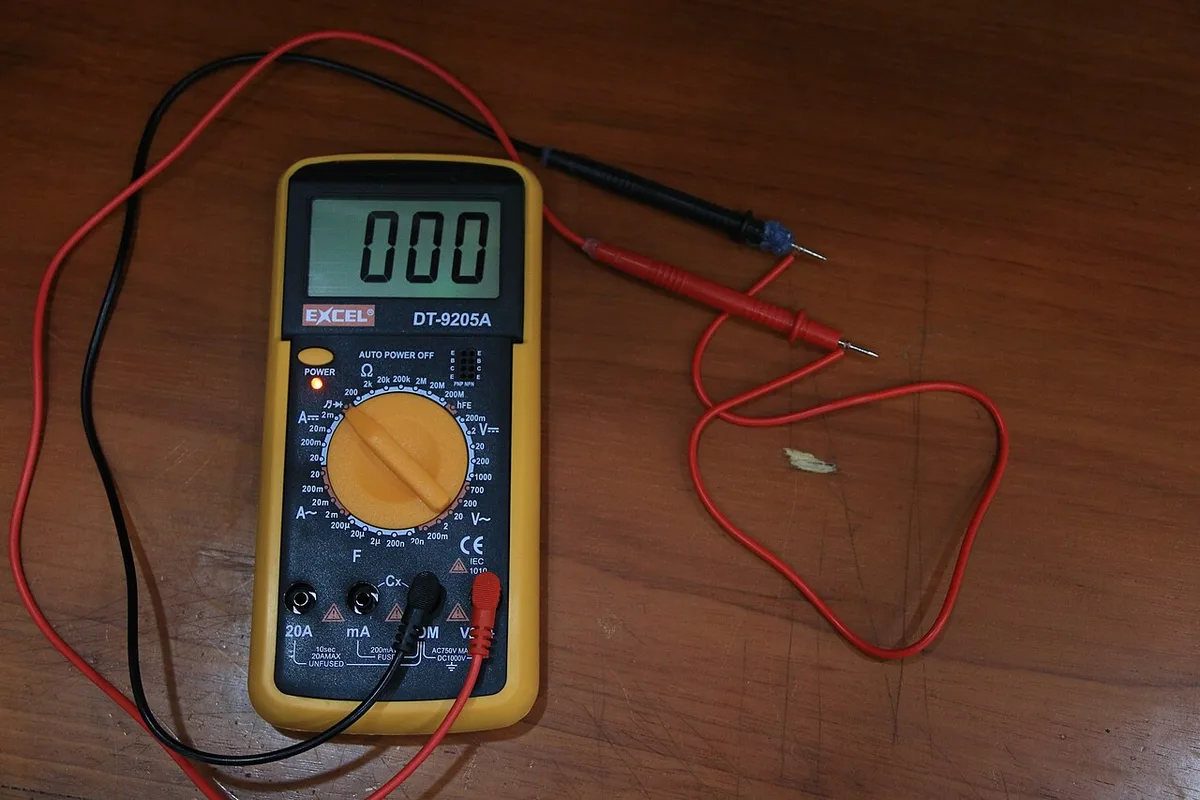
Image source: Wikimedia Commons / MinhVN123
Next, manually lift the float to its full activation height while listening for the internal click. A healthy mechanical switch produces a distinct audible snap when the contacts engage properly. Silence or grinding noises suggest corroded contacts or internal mechanical damage requiring replacement rather than cleaning.
Test electrical continuity using a multimeter set to the ohms setting across the switch terminals. A reading below one ohm confirms closed contacts when lifted, while infinite resistance indicates failed internal wiring. Refer to our appliance diagnostic codes guide for similar continuity testing principles applicable across household electromechanical devices.
Finally, submerge the float completely in water to verify it maintains proper buoyancy. Waterlogged floats lose their ability to rise with water levels even if the switch mechanism itself functions perfectly. Shake the float gently near your ear to detect trapped liquid sloshing inside the sealed housing.
When to Repair vs. Replace Your Sump Pump Float
Clean minor debris or adjust tether length if the float moves freely but activates at wrong levels. Simple repositioning often resolves issues where the pump short cycles or runs too long without filling the pit. Zip ties or adjustable cable clamps make fine-tuning the activation height straightforward and reversible.
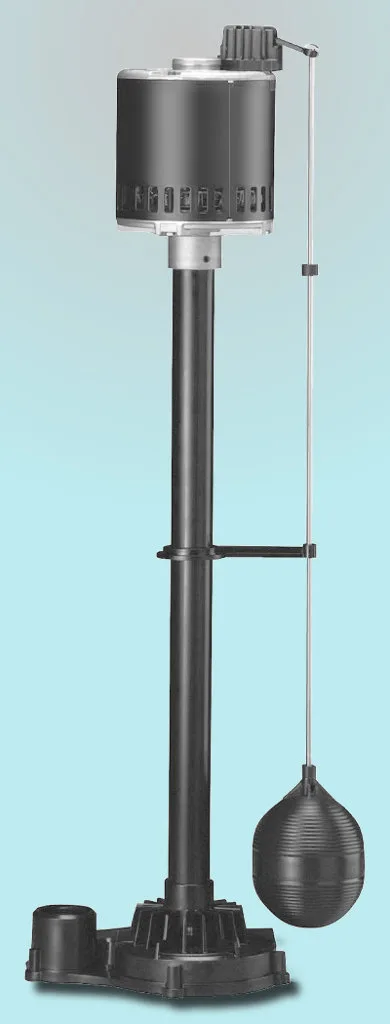
Image source: Wikimedia Commons / Own work (CC BY-SA)
Replace the entire switch assembly if continuity tests fail or the float housing contains water. Internal corrosion and contact pitting cannot be reliably repaired in wet basement environments. Universal piggyback switches cost between twenty-five and sixty dollars as of 2026 and install without opening the pump housing.
Consider full pump replacement if the motor fails the bypass test or shows signs of overheating. Burned windings or seized bearings mean the float was never the root cause of your flooding risk. Our research shows attempting motor repairs rarely saves money compared to installing a new unit with fresh seals.
Electronic water sensors offer superior reliability for pits with heavy silt or irregular shapes that trap mechanical floats. These solid-state devices eliminate moving parts entirely and resist debris interference better than traditional tethered designs. Check manufacturer troubleshooting resources for compatibility guidance before upgrading from mechanical to electronic controls.
Common Troubleshooting Mistakes and FAQs
Can I permanently bypass a stuck float switch?
Never bypass safety switches as a permanent solution because this removes automatic flood protection entirely. Direct wiring forces continuous operation that burns out motors within days and violates NEC Article 680. Use bypass testing only for temporary emergency diagnosis during active flooding events.
Why does my float stick only in winter?
Ice formation on pit walls or discharge pipes creates friction points that trap floats during cold snaps. Insulate exposed piping and ensure adequate basement heating to prevent freezing around the switch mechanism. Adding a small heater or heat lamp above the pit provides cheap insurance against seasonal failures.
How often should I test my sump pump float?
Pour five gallons of water into the pit monthly to verify proper activation and shutoff cycles. Regular testing catches sticky switches before storms arrive and confirms the discharge line remains clear. Aggregate reviews report pumps tested quarterly last significantly longer than neglected units discovered failed during emergencies.
Does hard water damage float switches faster?
Mineral deposits from hard water accelerate contact corrosion and increase friction on vertical rod guides. Install a water softener or choose switches with sealed polymer housings designed for high-mineral environments. Descaling the pit annually with vinegar helps maintain smooth float movement in affected regions.
What if the float works but pump still floods?
Check valve failure or undersized discharge piping often mimics float switch problems by allowing backflow. Verify the check valve opens fully and closes tightly when the pump stops running. Consult error code references for systematic elimination of hydraulic versus electrical faults in pumping systems.