
A sump pump that will not shut off usually signals a stuck float switch or failed check valve. You must disconnect power immediately to prevent motor burnout or electrical hazards. Learning how to troubleshoot a sump pump that will not shut off starts with this safety step.
Most continuous runtime issues stem from simple mechanical obstructions rather than total pump failure.
Manufacturer specifications indicate most residential pumps are rated for 6 to 10 cycles per hour maximum. Continuous operation exceeds thermal limits and voids warranties if left unchecked for over 30 minutes. We will walk through a systematic diagnostic process to identify the exact cause safely.
Immediate Safety and the 3-Minute Diagnostic Test
Unplug the pump from the GFCI outlet before touching any components in the pit. Water and electricity create lethal electrocution risks that demand respect every single time. Never assume the outlet is safe just because the pump stopped running momentarily.
Listen carefully to the pump sound after restoring power briefly for testing purposes. A humming noise without water movement suggests an impeller jam or capacitor failure. Silence with continuous power indicates a faulty switch or wiring short.
Loud grinding typically points to bearing wear or debris ingestion.
Check the water level relative to the float switch activation point visually. If water sits below the shutoff level but the pump runs, the switch mechanism is compromised. High water levels despite pumping signal discharge line blockages or undersized equipment.
This quick assessment directs your next troubleshooting steps efficiently.
Always verify electrical safety standards compliance before attempting repairs on wet basement systems. Proper grounding and GFCI protection are non-negotiable requirements per National Electrical Code Article 210.8. Skipping these checks risks injury and invalidates insurance coverage for water damage claims.
Decision Tree: Isolating Mechanical, Hydraulic, and Electrical Failures
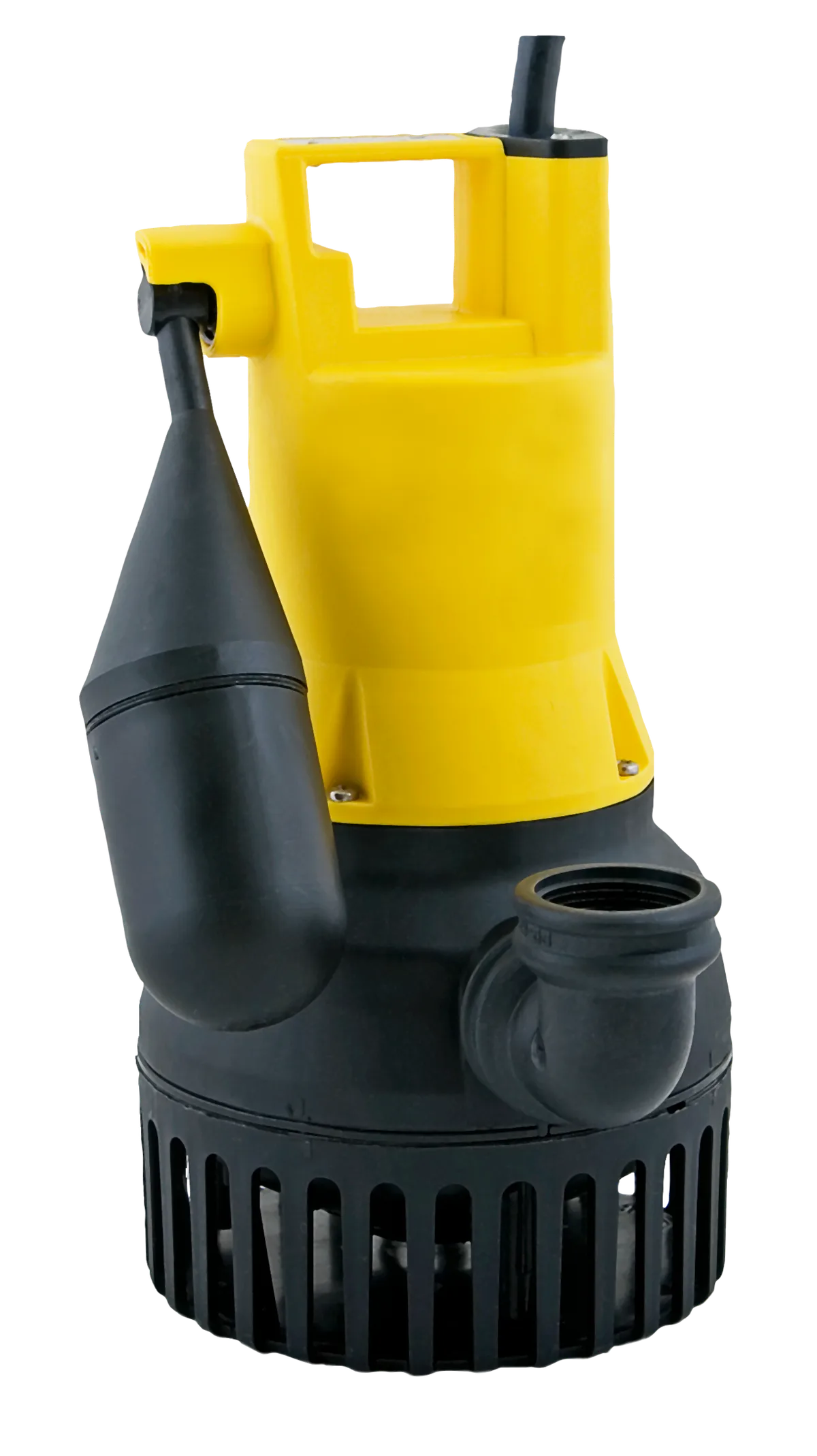
Image source: Wikimedia Commons / PumpExpert (CC BY-SA)
Start by manually lifting the float switch to its highest position while powered on. If the pump stops, debris is likely wedged under the float arm or tether. Clean the pit thoroughly and adjust the switch height according to manufacturer guidelines.
Recurring jams often mean you need better pit maintenance routines.
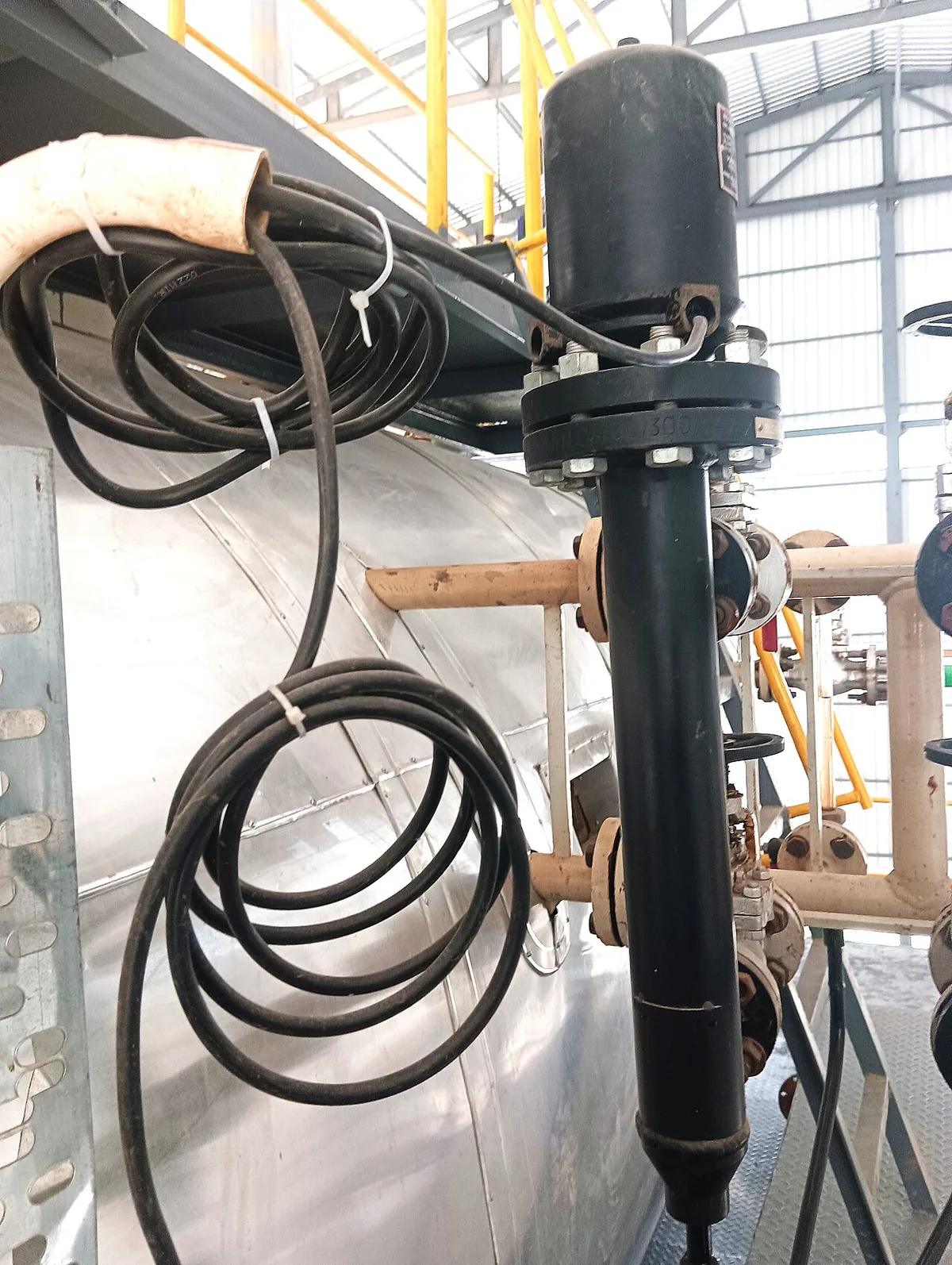
Image source: Wikimedia Commons / Palagiri
If manual lift does not stop the pump, inspect the check valve next. A failed valve allows discharged water to flow back into the basin continuously. Listen for gurgling sounds near the discharge pipe after shutdown.
Replacing this inexpensive component fixes many apparent pump failures without professional help.
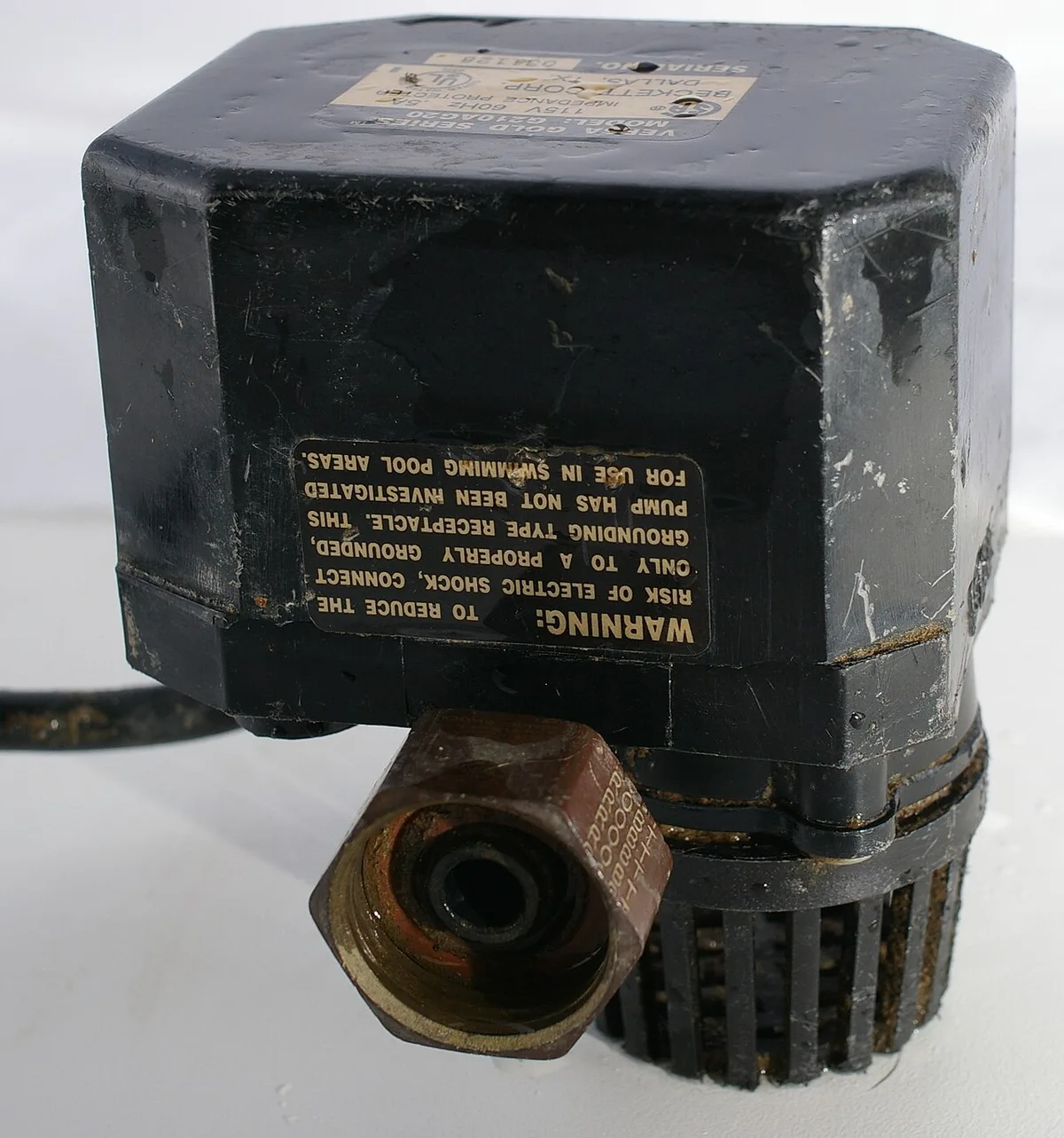
Image source: Wikimedia Commons / Hustvedt (CC BY-SA)
Electrical faults require multimeter testing at the receptacle and pump cord connections. Voltage readings outside 110V to 125V range indicate supply problems beyond the pump itself. Continuity tests on the switch wiring reveal internal breaks or corrosion damage.
Understanding basic appliance diagnostic codes helps transfer troubleshooting logic across different home systems effectively.
Hydraulic issues manifest as adequate motor function with insufficient water removal capacity. Measure actual discharge flow against nameplate GPH ratings using bucket timing methods. Frozen exterior lines or crushed pipes restrict flow regardless of pump health.
Seasonal factors like spring thaw can temporarily overwhelm properly sized equipment too.
| Symptom | Likely Cause | First Action |
|---|---|---|
| Runs dry constantly | Stuck float switch | Clear debris, test movement |
| Cycles every few seconds | Failed check valve | Inspect valve orientation |
| Hums without pumping | Jammed impeller | Disconnect power, clean intake |
| Runs but water stays high | Blocked discharge line | Check exterior termination |
When to Repair vs. Replace: Cost and Lifespan Benchmarks
Repair makes sense when the pump is under seven years old and the fix costs less than $100. Float switches, check valves, and capacitors fall within this economical repair zone. These components wear normally and do not indicate systemic pump failure.
Aggregate reviews show timely part replacement extends service life significantly.
Replacement becomes necessary when motors draw excessive amperage or show visible corrosion damage. Burnt windings produce distinct odors and trip breakers repeatedly under load. Pumps older than ten years rarely justify expensive repairs given modern efficiency gains.
New units offer better thermal protection and longer warranty coverage as of 2026.
Consider upgrading if your current pump struggles during normal weather conditions. Undersized equipment causes premature wear through excessive cycling frequency. Matching horsepower and GPH to actual basin dimensions prevents future headaches.
Our research shows proper sizing reduces annual energy consumption by 15% to 25%.
Factor installation complexity into your repair versus replace decision honestly. Pedestal pumps allow easier DIY access compared to submersible models buried in concrete pits. Professional labor costs can double total expense for difficult replacements.
Weighing these variables prevents overspending on temporary fixes for dying equipment.
Common Troubleshooting Mistakes and Sump Pump FAQs
Why does my sump pump run continuously even when the pit is empty?
Debris trapped under the float switch keeps it permanently activated despite low water. Small rocks, sediment buildup, or tangled cords commonly cause this issue. Cleaning the basin and verifying free float movement resolves most cases quickly.
Persistent problems suggest switch mechanism wear requiring replacement parts.
Can a bad check valve make a sump pump run nonstop?
Yes, failed check valves allow discharged water to backflow into the basin immediately. The pump refills what it just emptied, creating endless short cycles. Installing a new valve with correct flow direction arrows stops this wasteful loop.
This repair typically costs under $30 and takes minutes.
Is it safe to unplug a sump pump that won't turn off?
Absolutely, unplugging prevents catastrophic motor burnout and potential fire hazards during diagnosis. Leave it disconnected until you identify and resolve the root cause completely. Use a shop vacuum to manage water temporarily while troubleshooting safely.
Restoring power prematurely risks destroying salvageable components or causing injury.
How do I know if my sump pump motor is burned out?
Burnt motors emit acrid smells and feel hot to touch even after brief operation. Multimeter resistance tests show open circuits across winding terminals. Breakers trip instantly upon reconnection attempts with healthy outlets confirmed.
Motor replacement rarely proves economical compared to complete unit substitution.
What causes a sump pump to short cycle every 30 seconds?
Short cycling indicates either check valve failure or improper float switch adjustment. Water returns too quickly or the switch activation range is set too narrow. Adjusting tether length or replacing worn valves restores normal 2 to 10 minute intervals.
Ignoring this pattern accelerates motor wear dramatically.
Should I call a plumber or electrician for sump pump issues?
Call an electrician first if breakers trip or outlets show voltage irregularities. Plumbers handle discharge line blockages, valve replacements, and pump installations. Many homeowners successfully complete basic switch and valve repairs themselves.
Complex electrical faults or sealed system pressure switches warrant professional intervention always.