
Figuring out how to keep a sump pump from clogging starts with identifying what is actually blocking it. Most failures stem from sediment buildup, fibrous debris, or improper installation rather than mechanical defects. You need to match the specific symptom to the right prevention workflow to stop recurring issues.
Manufacturer specifications indicate most residential pumps require at least two inches of clearance below the intake screen. The International Residential Code also mandates proper basin sizing to prevent short cycling and debris accumulation. Let’s walk through the diagnostic steps to pinpoint your exact problem.
how to keep a sump pump from clogging
Keep your sump pump from clogging by maintaining clear intake space. Install a sealed lid to block external debris entry. Flush the pit annually to remove settled sediment buildup.
Ensure the check valve functions correctly to prevent backflow. Test the float switch travel monthly for obstructions.
Diagnose Your Clog: A Quick Decision Tree by Symptom
Identifying the blockage source dictates which fix will actually work. Random cleaning without diagnosis usually leads to repeated failures within weeks. Use these conditional branches to isolate the root cause based on what you observe in the pit or discharge line.
Sediment, Silt, or Gravel in the Pit
If the pit bottom feels gritty or muddy, your issue is soil migration. This happens when filter fabric fails or gravel packs degrade over time. Fine particles settle directly against the intake screen and restrict water flow during heavy rain events.
Check if the pump sits directly on the pit floor. Pumps need elevated placement to avoid sucking up bottom sediment. A simple brick or paver base often solves this immediate clearance problem without major renovation work.
Fibrous Debris, Roots, or Laundry Lint
Stringy material wrapped around the impeller indicates organic intrusion or appliance drainage issues. Washing machines draining into sump pits introduce lint that binds moving parts rapidly. Tree roots can also penetrate cracked discharge lines and migrate backward into the basin.
Inspect the intake screen for hair-like tangles or dense matting. Standard screens cannot handle fibrous loads from laundry or root systems. You likely need upgraded filtration or a different impeller design to manage this debris type effectively.
Iron Ochre or Mineral Scale Buildup
Orange slime coating the pump housing signals iron bacteria activity in groundwater. This biological film hardens into scale that chokes intake ports and check valves. It thrives in low-oxygen environments typical of sealed sump basins.
Hard water areas also produce white calcium deposits that reduce pipe diameter over time. Both conditions require chemical treatment alongside mechanical cleaning. Simple flushing won’t remove established bacterial colonies or mineral crusts permanently.
Airlock or Check Valve Failure
If the pump hums but moves no water, air trapped in the discharge line may be the culprit. Missing weep holes prevent air escape between cycles and create vapor locks. Stuck check valves also cause backflow that reintroduces debris into the pit.
Listen for gurgling sounds after each pump cycle ends. That noise often means the valve isn't sealing properly or air isn't venting. Verify the weep hole exists and remains unobstructed before replacing expensive components unnecessarily.
Targeted Fixes and Prevention Workflows for Each Blockage Type
Once diagnosed, apply the specific workflow matching your clog type. Generic maintenance advice fails because different debris requires different solutions. These targeted protocols address the actual failure mechanism rather than just symptoms.
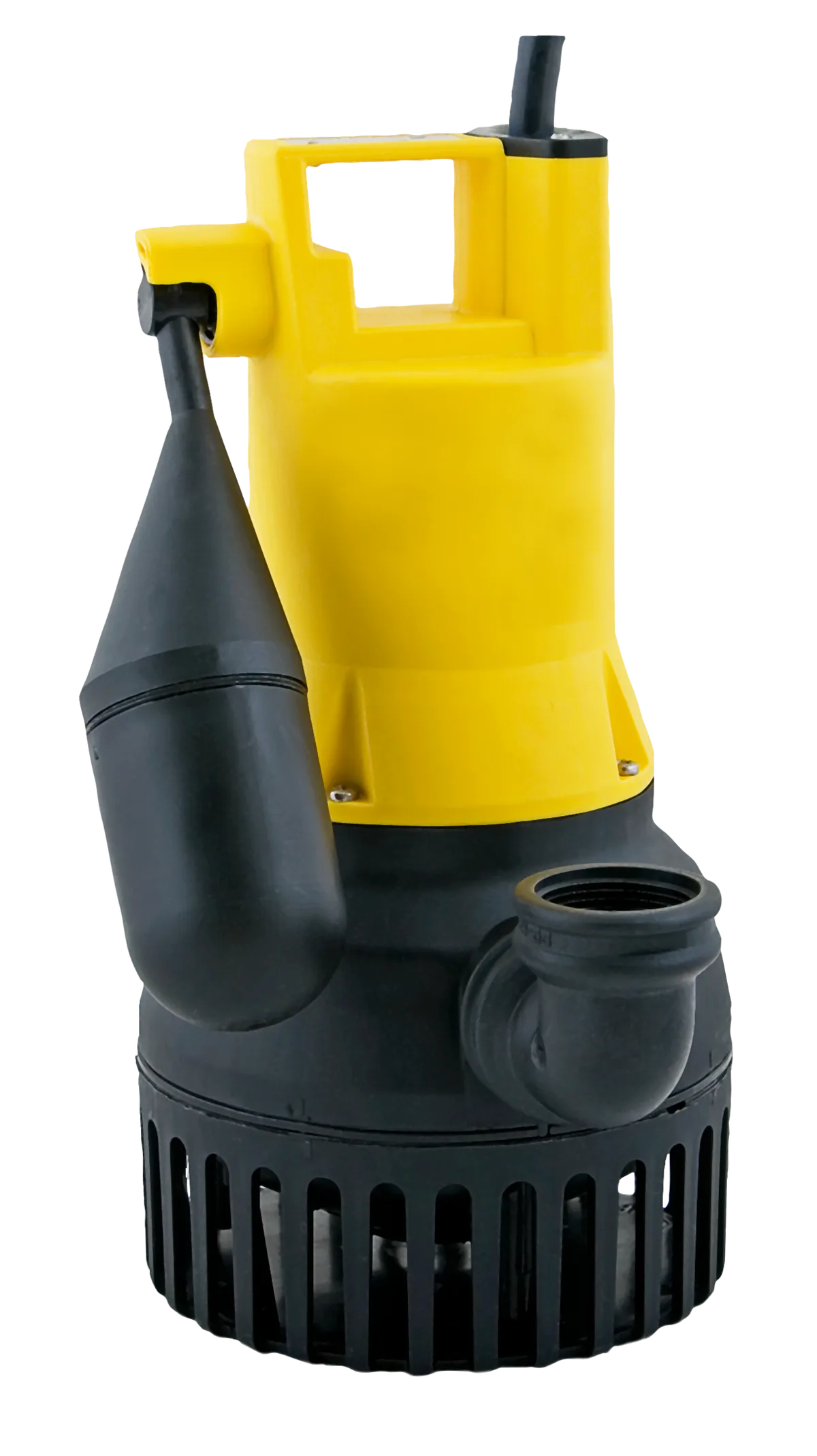
Image source: Wikimedia Commons / PumpExpert (CC BY-SA)
Adjusting Intake Clearance and Basin Geometry
Raise submersible pumps at least two to three inches above the pit bottom. Use stable pavers or manufacturer-approved stands to maintain permanent elevation. This simple adjustment prevents sediment ingestion during normal operation and extends equipment life significantly.
Consider widening narrow basins if sediment accumulates too quickly. Wider pits slow water velocity and allow particles to settle away from the intake. Our research shows 24-inch diameter basins outperform standard 18-inch models for debris management in sandy soils.
Upgrading Impellers and Installing Filtration
Switch to vortex impellers if fibrous debris causes repeated jams. These designs pass solids without direct contact and resist tangling better than standard vanes. They cost more upfront but eliminate chronic clogging in problematic installations.
Wrap perforated liners with geotextile fabric to filter incoming groundwater. This barrier stops soil migration while allowing water passage. Replace degraded fabric every five years or whenever sediment reappears despite proper pump elevation.
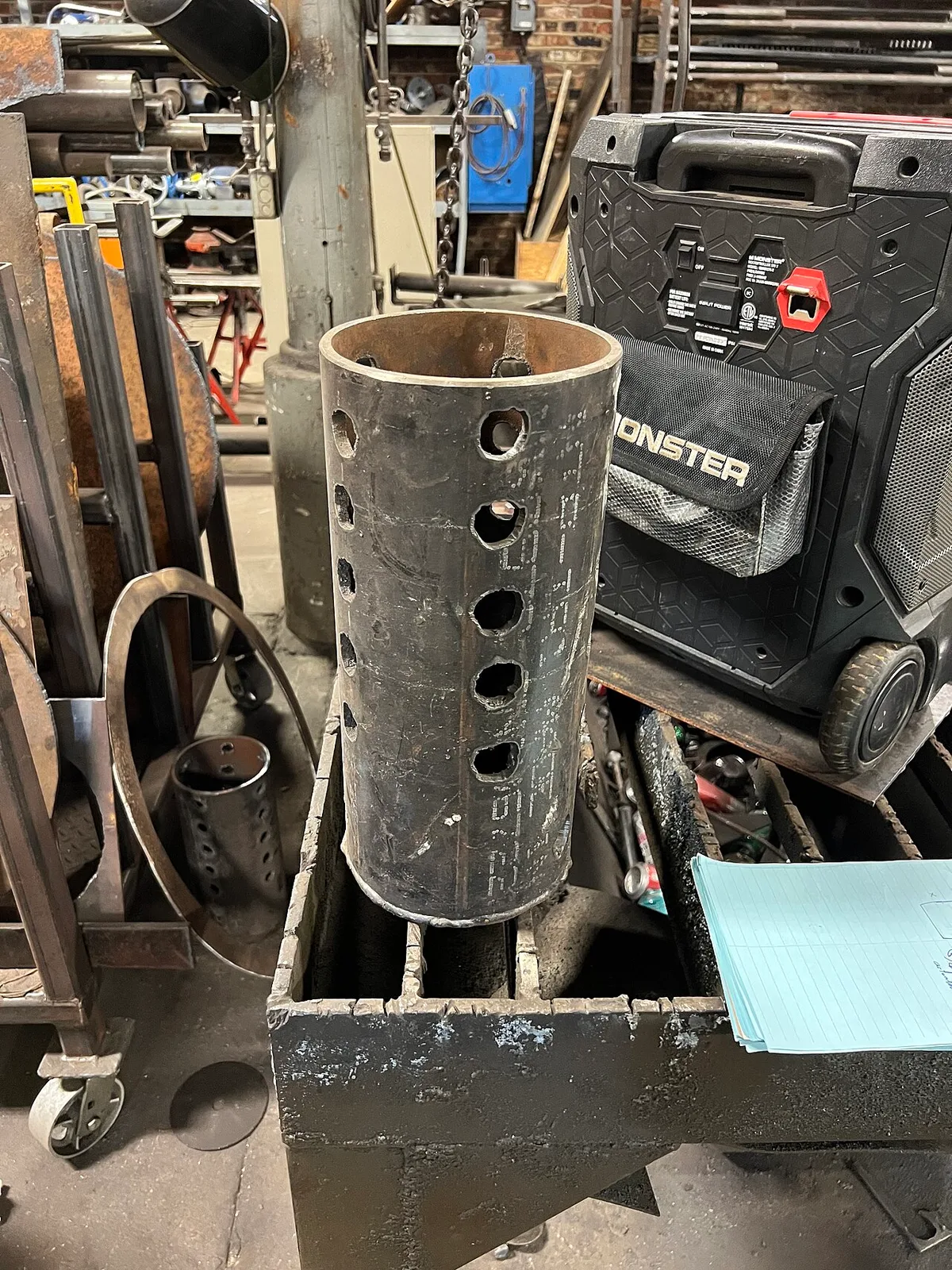
Image source: Wikimedia Commons / Ivangiesen
Flushing Protocols and Discharge Line Maintenance
Flush the pit with clean water annually before wet seasons begin. Use a garden hose to agitate settled material and pump it out completely. This preventive step removes accumulated fines before they reach critical levels.
Inspect discharge lines for root intrusion or ice damage each spring. Hydro-jetting clears biological growth and mineral scale from interior pipe walls. Regular line maintenance prevents backups that force debris back into the basin during pump cycles.
Correcting Weep Holes and Valve Orientation
Drill a 3/16-inch weep hole in the discharge pipe above the check valve if missing. Position it at the four o’clock position to prevent spraying while allowing air escape. This tiny feature prevents airlocks that mimic clogging symptoms.
Replace stuck check valves with vertical lift models designed for sump service. Swing checks often fail in vertical orientations and cause backflow issues. Proper valve selection eliminates one of the most common misdiagnosed clog causes in residential systems.
Critical Installation Mistakes That Guarantee Future Clogs
Many clogging problems originate from installation errors made years earlier. Correcting these foundational issues prevents endless maintenance cycles. Watch for these red flags during inspections or new installations.
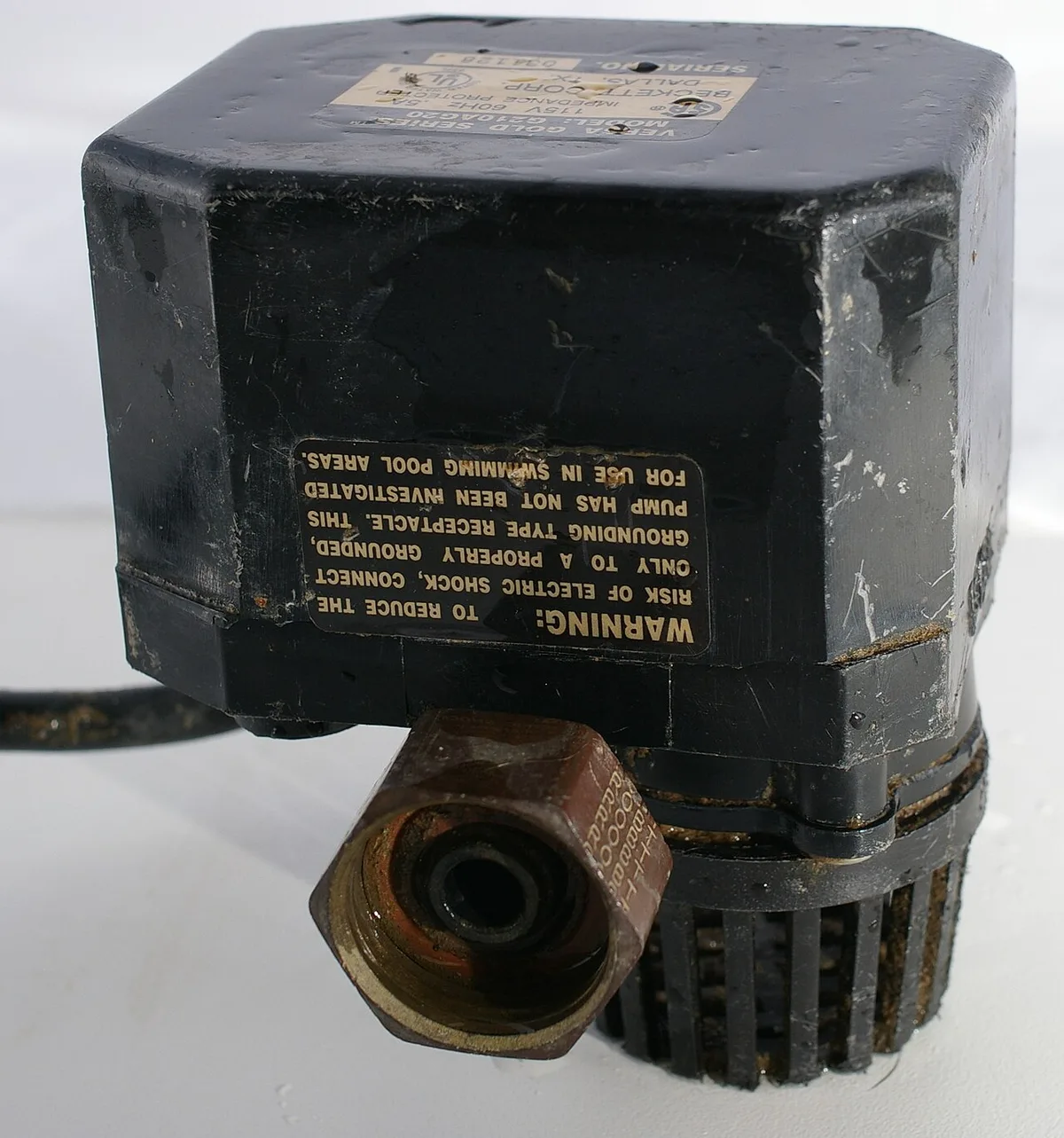
Image source: Wikimedia Commons / Hustvedt (CC BY-SA)
Placing pumps directly on dirt or gravel guarantees premature failure. Without solid elevation, every cycle pulls abrasive material into the volute. Always use a stable platform regardless of pit construction material or age.
Omitting sealed covers invites surface debris and radon gas entry. Open pits collect dust, pet hair, and storage shed particles continuously. A proper lid with gasket seal protects both equipment function and indoor air quality per EPA guidelines.
Undersized basins cause rapid cycling that accelerates wear and sediment disturbance. Shallow pits don’t provide adequate drawdown volume between activations. Deepening or widening inadequate basins solves chronic short-cycling problems better than frequent pump replacements.
Ignoring local discharge regulations creates legal liability and system backups. Some municipalities prohibit sump water entering sanitary sewers as of 2026. Verify compliant discharge paths to avoid fines and forced retrofits during property transactions.
Frequently Asked Questions About Sump Pump Clogging
How often should I clean my sump pump pit?
Clean the pit at least once yearly before spring thaw or heavy rain seasons. High-sediment areas may need biannual flushing to maintain proper clearance. Remove visible debris immediately after construction work or basement flooding events to prevent intake blockage.
Can I use a grinder pump to prevent clogs?
Grinder pumps handle solids but aren’t ideal for standard sump applications. They’re designed for sewage ejector systems with higher waste content. Vortex impellers typically solve residential clogging issues more efficiently without the added complexity and cost of grinding mechanisms.
Why does my sump pump keep getting airlocked?
Airlocks occur when trapped air prevents water movement through the discharge line. Missing or blocked weep holes are the most common cause. Drilling a small vent hole above the check valve allows air escape and restores normal pumping function immediately.
Does washing machine drainage cause sump pump clogs?
Yes, laundry lint creates dense mats that bind impellers and block screens. Divert washing machine discharge away from sump pits whenever possible. If diversion isn’t feasible, install inline lint traps and upgrade to vortex-style impellers designed for fibrous material handling.
Should I replace my pedestal pump with a submersible model?
Submersible pumps generally resist clogging better due to sealed motors and improved intake designs. Pedestal models sit above water level but have exposed shafts vulnerable to debris. Upgrade if chronic clogging persists despite proper maintenance and correct installation practices.