
Figuring out how to tell if a sump pump is losing power starts with checking the simplest electrical connections first. Most failures stem from tripped safety devices rather than dead motors. You can diagnose this safely without touching wet components or guessing at wiring issues.
Per National Electrical Code standards, basement outlets require GFCI protection that trips at just 5 milliamps of ground fault current. This sensitivity means moisture alone often cuts power before any mechanical failure occurs. We will walk through a safe testing sequence to isolate the exact problem.
Safety First: Electrical Risks in Wet Sump Pits
Water and electricity create an immediate electrocution hazard in any basement environment. Never reach into a flooded sump pit to check wiring or unplug cords. Standing water conducts current instantly and bypasses standard insulation protections.
Always verify the circuit breaker is fully off before inspecting any components. Use a non-contact voltage tester to confirm zero current at the outlet. Manufacturer specifications indicate most residential pumps operate on standard 120V circuits capable of delivering fatal shocks.
Wear insulated gloves and rubber-soled shoes when working near damp electrical equipment. Keep all testing tools dry and rated for the voltage you are measuring. If water levels have risen above the outlet height, stop immediately and call a licensed electrician.
The Power Loss Diagnostic Workflow: From Outlet to Impeller
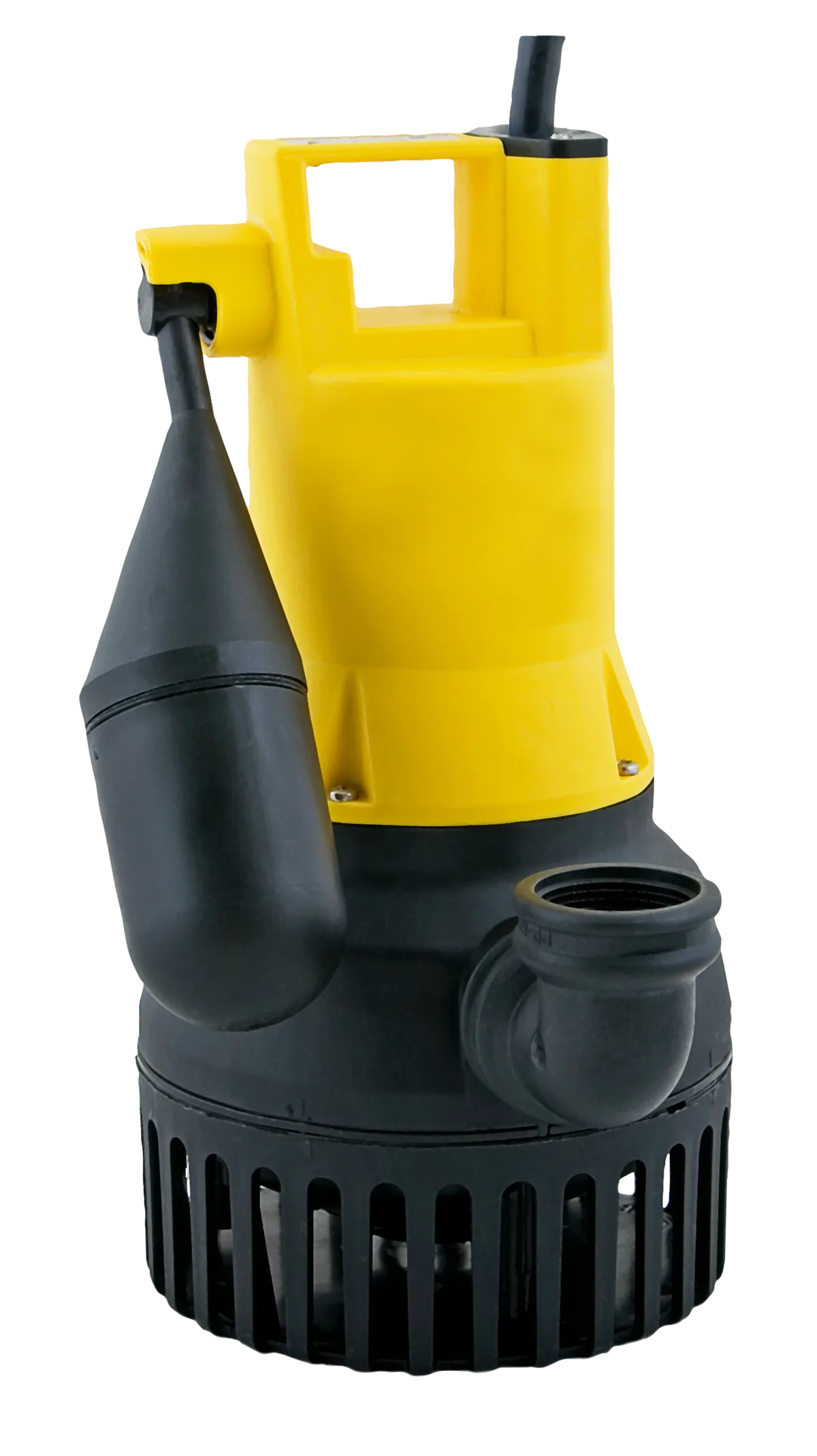
Image source: Wikimedia Commons / PumpExpert (CC BY-SA)
Start your diagnosis by confirming whether the outlet itself has live power. Plug in a lamp or phone charger to test functionality directly. If nothing powers on, the issue lies upstream in your electrical system rather than the pump.
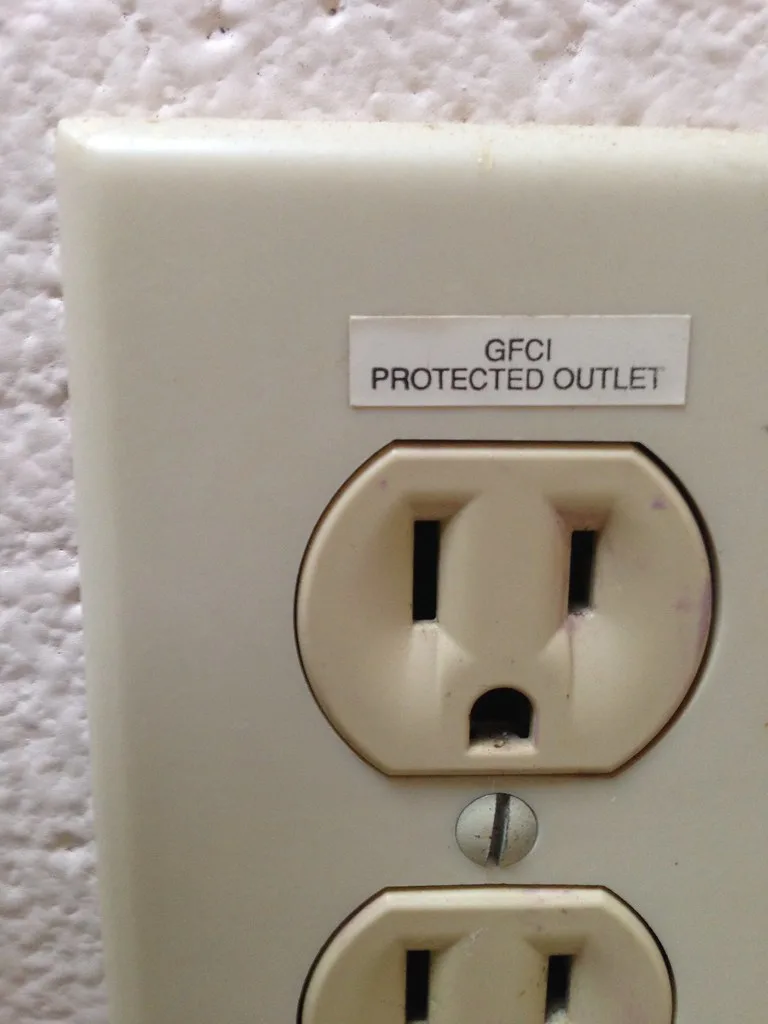
Image source: Openverse / dankeck
Check the GFCI reset button next since these outlets trip frequently in damp basements. Press the reset button firmly until it clicks back into place. Test the outlet again to see if power returns after resetting the safety mechanism.
Verify your main electrical panel if the GFCI won't reset or hold. Look for breakers in the middle position indicating a partial trip state. Switch the breaker fully off then back on to ensure proper engagement per NFPA 70 safety guidelines.
Testing Beyond the Outlet
Use a multimeter set to AC voltage if basic tests show power but the pump remains silent. Insert probes into both outlet slots to read actual delivered voltage. Readings below 110V suggest wiring problems or overloaded circuits elsewhere in the home.
Inspect the float switch mechanism if electrical tests confirm full power delivery. Manually lift the float arm to trigger activation while listening for motor response. Stuck switches mimic power loss symptoms even when electricity flows normally through the cord.
Listen carefully for humming sounds that indicate a seized impeller or failed capacitor. A humming motor receives power but cannot convert it to mechanical movement. This distinction separates electrical supply issues from internal component failures requiring repair.
When to Repair vs. Replace: Interpreting Your Test Results
Your diagnostic results determine whether simple fixes work or replacement becomes necessary. Tripped GFCIs and breakers typically resolve with resets or minor electrical corrections. These external power issues cost nothing beyond your time to fix properly.

Image source: Wikimedia Commons / PEO ACWA (CC BY)
Humming motors with confirmed power usually need new capacitors or impeller cleaning. Capacitor replacements run under $30 as of 2026 and restore function quickly. Clogged impellers require disassembly but save hundreds compared to buying new units.
Complete silence despite verified outlet power points to burnt windings or severed cords. Cord repairs are feasible if damage stays outside the sealed motor housing. Internal winding burns mean total replacement since rewinding costs exceed new pump prices.
| Symptom | Likely Cause | Fix Complexity |
|---|---|---|
| No power at outlet | Tripped GFCI/breaker | Low |
| Humming sound | Bad capacitor/jammed impeller | Medium |
| Intermittent operation | Failing float switch | Medium |
| Silence with power | Burnt motor/severed cord | High |
Consider age when weighing repair value against replacement costs. Units older than seven years rarely justify expensive component swaps. Newer models offer better efficiency and updated safety features worth the upgrade investment.
For other appliance diagnostics, understanding error codes helps pinpoint similar electrical faults. Our guide on interpreting dryer fault signals explains comparable troubleshooting logic for laundry equipment.
Common Sump Pump Power Questions Answered
Why does my sump pump keep tripping the GFCI?
Moisture intrusion or deteriorating cord insulation causes repeated GFCI trips. These outlets detect tiny current leaks to ground and shut off instantly. Inspect the power cord for cracks and ensure the pit cover prevents splash contact.
Persistent tripping after drying indicates internal seal failure requiring replacement.
Can I plug my sump pump into an extension cord temporarily?
Extension cords create voltage drop and overheating risks for continuous-duty motors. Manufacturer specs require direct connection to dedicated outlets matching pump amperage ratings. Temporary use during emergencies demands heavy-gauge cords rated for outdoor wet locations.
Permanent extension cord setups violate electrical codes and void equipment warranties.
How do I test a sump pump capacitor safely?
Discharge stored energy using an insulated screwdriver across capacitor terminals before handling. Set your multimeter to capacitance mode and compare readings against labeled microfarad specifications. Values outside ten percent tolerance indicate failure needing replacement.
Always disconnect power completely before attempting any capacitor testing procedures.
What causes intermittent sump pump operation?
Failing float switches cause inconsistent activation cycles as contacts wear down. Debris accumulation around the switch mechanism also creates erratic behavior. Corroded electrical connections inside waterproof housings produce similar symptoms over time.
Cleaning and tightening connections resolves many intermittent issues before component replacement becomes necessary.
Should sump pumps have dedicated circuits?
Dedicated circuits prevent nuisance tripping from shared loads like freezers or dehumidifiers. Building codes increasingly require independent 20-amp circuits for reliable flood protection. Shared circuits risk simultaneous overload during storms when multiple appliances run together.
Installing dedicated wiring ensures your pump operates regardless of other basement electrical demands.