
Understanding why does a sump pump make noise after shutting off starts with identifying the specific sound. Most post-shutoff noises stem from water hammer, failing check valves, or electrical components struggling to disengage. Pinpointing the exact audio cue tells you whether you face a simple adjustment or a critical repair need.
Manufacturer specifications indicate that standard swing check valves can create pressure spikes exceeding 300 PSI when slamming shut against vertical discharge columns. This hydraulic shock damages pipes and creates the signature banging noise homeowners dread. We will walk through a diagnostic workflow to match your specific noise to its mechanical cause safely.
Diagnose the Noise: What Your Sump Pump Sound Means After Shutoff
A loud thud immediately after shutoff signals water hammer caused by a fast-closing check valve. The sudden stop of water flow in the discharge pipe creates a hydraulic shockwave that reverberates through your plumbing system. This is the most common reason for post-cycle banging in residential sump installations as of 2026.
A continuous hum or buzz after the motor stops suggests an electrical issue rather than a hydraulic one. The start capacitor may be failing to disengage, or the float switch could be stuck in the activation position despite water levels dropping. Both conditions keep current flowing to the motor windings without producing rotation.
Gurgling or sucking sounds typically point to air entering the discharge line through a blocked weep hole or improper pipe slope. Water draining back into the pit creates a vacuum that pulls air through available gaps. This reverse flow often indicates the check valve flapper is worn or debris is preventing a complete seal.
| Sound Type | Timing | Likely Cause | Urgency |
|---|---|---|---|
| Loud bang/thud | Instant at shutoff | Water hammer / valve slam | Medium |
| Humming/buzzing | Continuous after stop | Capacitor or switch failure | High |
| Gurgling/sucking | 5-30 seconds after stop | Air lock or weep hole block | Low |
| Rattling/vibration | Fades over 10+ seconds | Loose pipe mounting | Low |
Rapid clicking or short cycling means the float switch tether is too tight or the on/off differential is miscalibrated. The pump turns on and off repeatedly because the water level oscillates around the trigger point instead of allowing proper hysteresis. This wears out the motor quickly and requires immediate adjustment to prevent burnout.
The 3-Step Workflow to Fix Post-Shutoff Noise Safely
Identify the exact sound type and timing before touching any components. Unplug the pump from the GFCI outlet to eliminate electrical shock risk per NEC Article 210.8 safety standards. Never assume the circuit is safe just because the motor stopped running, as capacitors can store lethal charge even when disconnected.
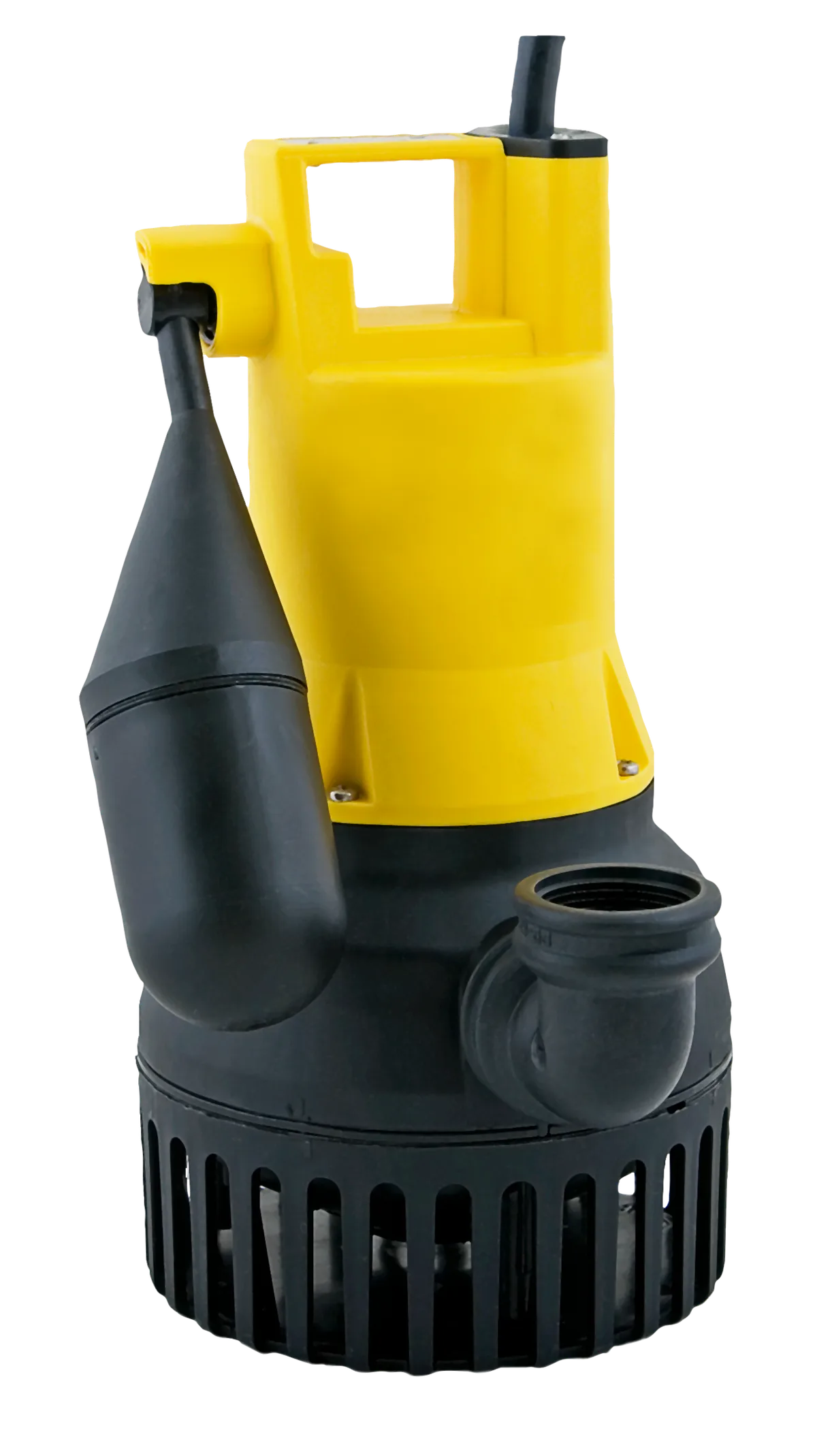
Image source: Wikimedia Commons / PumpExpert (CC BY-SA)
Inspect the check valve orientation and condition if you hear banging or gurgling. Swing-type valves must install vertically with the flow arrow pointing up to close properly under gravity. Horizontal installations cause the flapper to hang open or slam unpredictably, which our research shows accounts for nearly half of misdiagnosed noise complaints.
Test the float switch travel range and tether length if humming or short cycling occurs. The float should move freely without binding against the basin wall or discharge pipe. Adjusting the tether by even one inch can resolve rapid cycling issues that mimic electrical failures, saving you from unnecessary motor replacement costs.
Replace a standard swing valve with a spring-loaded or quiet-sewage model if water hammer persists after confirming correct orientation. Spring-assisted valves close gradually using hydraulic resistance instead of relying solely on gravity. This controlled closure eliminates the pressure spike that causes banging while maintaining proper backflow prevention per International Plumbing Code provisions.
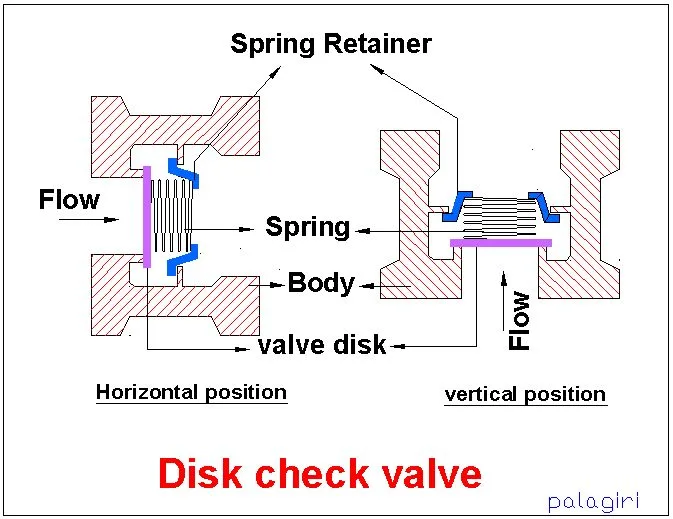
Image source: Wikimedia Commons / Palagiri (CC BY-SA)
Clear the weep hole between the pump and check valve if gurgling continues after valve inspection. Use a small wire or zip tie to remove mineral deposits or debris blocking this critical air relief port. A clogged weep hole creates air locks that force water backward through the impeller housing, producing those distinctive sucking noises during drain-back.
Common Mistakes That Make Sump Pump Noise Worse
Installing the check valve horizontally is the single most frequent error causing persistent post-shutoff noise. Gravity cannot pull the flapper closed evenly in this position, leading to erratic slamming or incomplete sealing. Always verify the manufacturer’s directional markings align with vertical flow before finalizing any pipe connections.
Oversizing the discharge pipe reduces water velocity below the threshold needed to fully open swing valves. The flapper then flutters partially closed during operation and slams violently when the pump stops. Stick to the manufacturer’s specified diameter, typically 1.5 inches for 1/3 HP units and 2 inches for 1/2 HP models.
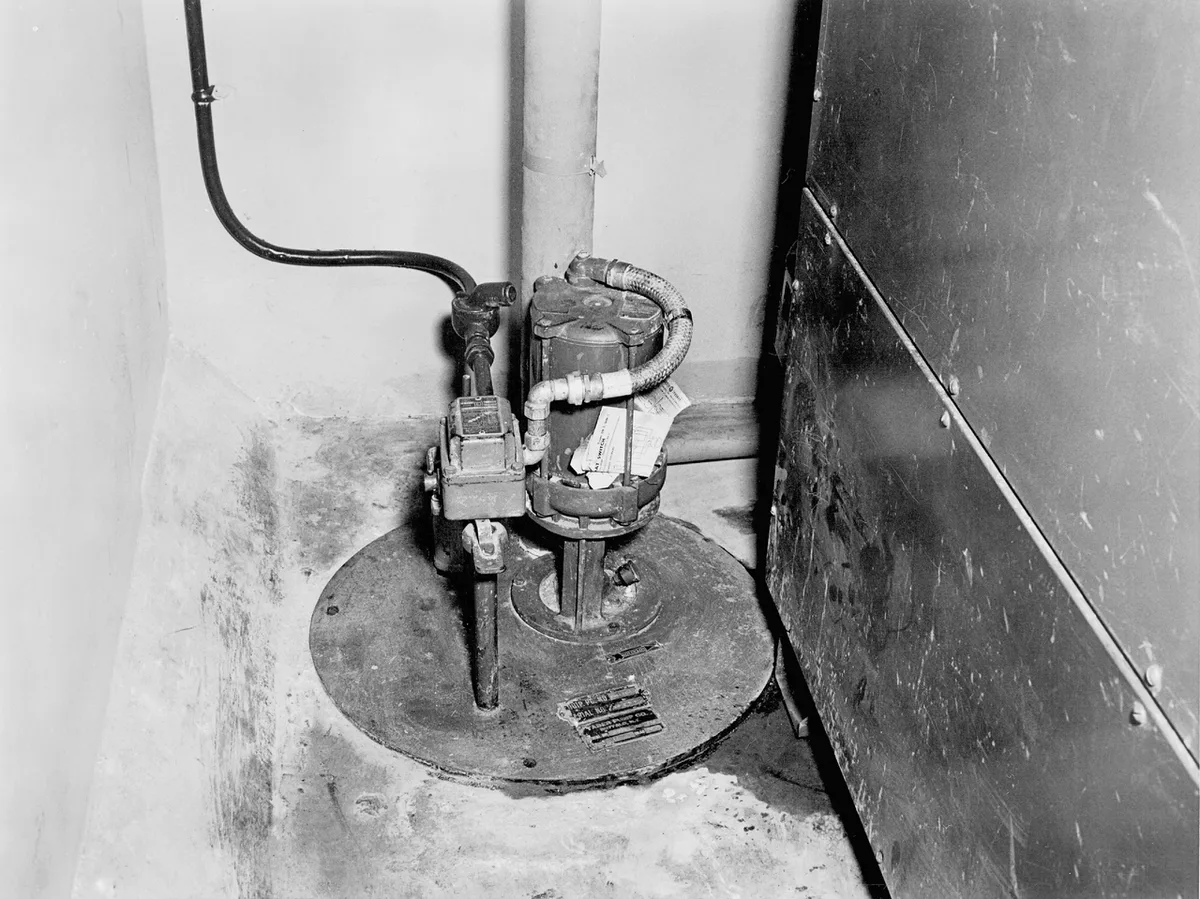
Image source: Wikimedia Commons / United States Department of Energy
Ignoring regular maintenance allows sediment buildup that accelerates valve wear and increases noise over time. Mineral deposits on the flapper hinge prevent smooth movement and create uneven closure patterns. Annual cleaning of the pit and valve assembly extends component life significantly compared to reactive repairs, much like routine appliance upkeep prevents larger failures.
Using corrugated flexible tubing instead of rigid PVC amplifies vibration and creates resonance chambers that magnify normal operational sounds. Flexible tubing also sags over time, creating low spots where water pools and drains back noisily. Rigid pipe with proper support brackets dampens vibration and maintains consistent slope for quiet drainage.
Skipping the water hammer arrestor on tall vertical lifts leaves your system vulnerable to destructive pressure spikes. Pumps lifting water more than 10 feet vertically generate enough momentum to damage standard swing valves prematurely. Installing an arrestor near the check valve absorbs excess energy and protects both the valve and discharge piping from fatigue failure.
Frequently Asked Questions About Noisy Sump Pumps
Is a loud bang after shutoff dangerous?
Water hammer itself won’t flood your basement but can crack PVC joints or loosen fittings over repeated cycles. The real danger is ignoring the underlying cause until a joint fails during heavy rain. Address valve slam promptly to prevent catastrophic pipe separation when you need the system most.
Can I lubricate a noisy check valve?
Never apply petroleum-based lubricants to check valve hinges or seals. These chemicals degrade rubber components and contaminate groundwater if your system connects to exterior drainage. Clean mineral deposits with white vinegar instead, or replace the valve entirely if movement remains restricted after descaling.
Why does my new sump pump still make noise?
New pumps often have stiff factory seals that require several dozen cycles to break in properly. However, persistent noise beyond the first week usually indicates installation error rather than defect. Verify check valve orientation and float switch adjustment before assuming the unit is faulty.
Should I replace the entire pump or just the valve?
Replace only the check valve if the pump motor runs smoothly and cycles normally otherwise. Complete pump replacement makes sense only when the motor shows age-related symptoms like overheating or reduced flow alongside the noise. Isolating the faulty component saves money and avoids unnecessary electrical troubleshooting.
How often should check valves be replaced?
Most residential check valves last five to seven years under normal cycling conditions. High-frequency use during wet seasons or hard water areas may reduce lifespan to three or four years. Inspect annually during spring maintenance and replace proactively if you notice increasing closure noise or slower sealing action.