
If you are wondering why does a sump pump turn on immediately after turning off, the answer usually involves backflow or switch failure. This rapid cycling behavior indicates water is rushing back into the pit or the sensor is stuck in the active position. Ignoring this pattern risks burning out your motor within days due to excessive heat buildup.
Manufacturer specifications indicate most residential pumps should not exceed thirty starts per hour to prevent thermal damage. We will walk through a systematic diagnostic workflow to identify whether you need a simple adjustment or a replacement part.
Why Does a Sump Pump Turn On Immediately After Turning Off
A sump pump turns on immediately after turning off primarily because discharged water flows back into the basin through a failed check valve. This backflow raises the water level above the switch activation point instantly. A stuck float mechanism or debris jam can also trigger immediate restarts without actual water movement.
Electrical switch failures may similarly send continuous run signals regardless of water levels.
Diagnostic Workflow: Isolate the Fault in 4 Steps
Finding the root cause requires eliminating variables one by one. Start with the simplest mechanical checks before assuming electrical failure. This logical progression saves time and prevents unnecessary part replacements.
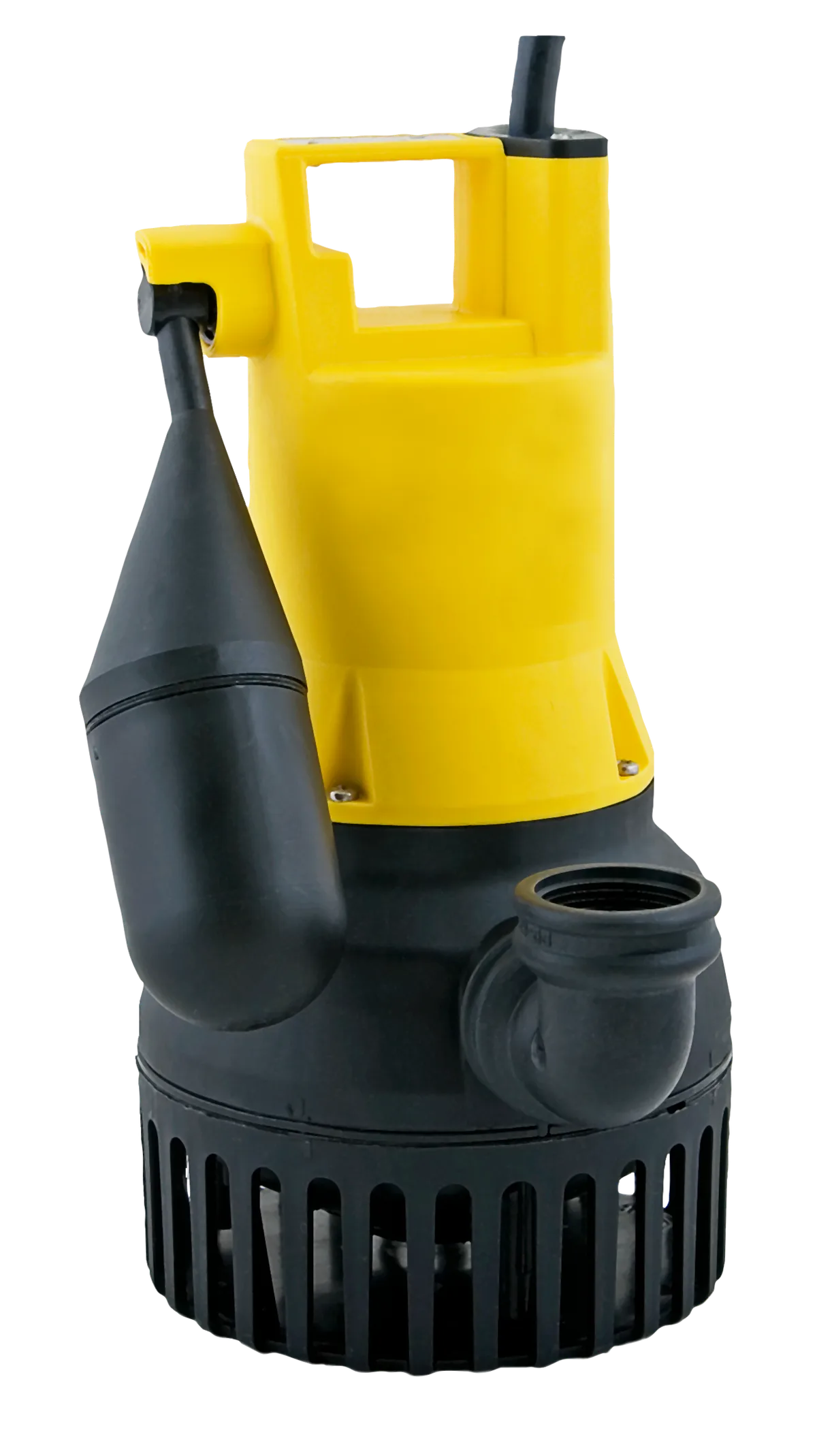
Image source: Wikimedia Commons / PumpExpert (CC BY-SA)
Step 1: Listen for Backflow Noise
Stand near the discharge pipe immediately after the pump shuts off. You should hear a distinct rushing sound if water is returning to the pit. Silence suggests the check valve is holding properly.
Loud gurgling confirms backflow is your primary issue.
Step 2: Inspect Float Switch Movement
Unplug the pump and manually lift the float arm through its full range. It must move freely without catching on basin walls or pipes. Debris often wedges between the float and pit liner.
Clean any obstructions and test operation again.
Step 3: Check Discharge Line Obstructions
Verify the outdoor discharge point is not frozen or blocked by sediment. Restricted outflow creates backpressure that forces water backward. Clear ice or debris from the pipe termination point.
Ensure the line maintains proper downward slope away from the foundation.
Step 4: Test Electrical Components
Use a multimeter to verify switch continuity changes at activation points. Inconsistent readings suggest internal contact failure. Capacitor issues can also cause erratic cycling behavior.
Replace faulty electrical components only after ruling out hydraulic causes.
| Symptom | Likely Cause | First Action |
|---|---|---|
| Rushing water sound | Failed check valve | Replace valve assembly |
| Float sticks mid-cycle | Debris obstruction | Clean pit and float arm |
| No sound but instant restart | Switch failure | Test with multimeter |
| Weak discharge flow | Line blockage | Clear outdoor termination |
Fixing Short Cycling: Repair Actions and Mistakes to Avoid
Once you have isolated the fault, targeted repairs restore normal operation. Addressing the specific failure mode prevents recurring issues. Proper technique matters as much as identifying the problem itself.
Replacing a Failed Check Valve
Install a new swing-type valve oriented correctly with flow direction arrows pointing up. Use PVC primer and cement for watertight connections on plastic fittings. Allow full cure time before testing the system.
Never reuse old clamps or seals during reassembly.
Adjusting Float Switch Height
Raise the activation point if the pump cycles too frequently in shallow water. Lower it if the basin nearly overflows before triggering. Maintain adequate clearance between cut-in and cut-out levels.
Refer to manufacturer guidelines for optimal differential settings specific to your model.
Clearing Discharge Restrictions
Remove ice dams using safe thawing methods approved by building safety standards. Flush sediment buildup with high-pressure water if accessible. Install a freeze guard or heated cable in cold climates.
Regular winter maintenance prevents seasonal blockages from causing summer failures.
Avoiding Common Repair Errors
Never bypass safety switches to force continuous operation. Oversized pumps actually worsen short cycling in small basins. Skipping the weep hole on submersible models causes air locks.
Always verify GFCI protection remains functional after any electrical work.
Frequently Asked Questions
Can short cycling burn out my sump pump motor?
Yes, excessive starts generate heat faster than the motor can dissipate it. Most motors are rated for limited hourly cycles to prevent winding damage. Thermal overload protectors may trip repeatedly during severe short cycling events.
Prompt diagnosis prevents costly motor replacement and potential basement flooding.
How often should a sump pump normally cycle?
Normal cycling depends entirely on groundwater inflow rates and pit volume. During dry periods, some pumps run only weekly or monthly. Heavy rain might trigger runs every few minutes temporarily.
Consistent immediate restarts without heavy precipitation always indicates a malfunction requiring attention.
Is a check valve required on all sump pumps?
Most building codes require check valves on vertical discharge rises exceeding certain heights. They prevent backflow that causes unnecessary wear and energy waste. Horizontal runs with proper slope sometimes omit them legally.
Installing one universally improves efficiency regardless of code minimums.
Should I replace the whole pump or just the switch?
Replace only the failed component if the motor tests healthy and shows no age-related wear. Switches are inexpensive and straightforward to swap independently. Complete unit replacement makes sense for pumps over seven years old with multiple issues.
Consider upgrading to an electronic sensor switch for greater reliability.