
Learning how to prevent backflow in a sump pump discharge line starts with installing a properly rated check valve. This mechanical device uses gravity or spring tension to block discharged water from returning to the pit after each cycle. Without this critical component, your pump wastes energy re-moving the same water repeatedly.
Manufacturer specifications indicate most residential valves handle up to 150 PSI and fit standard 1-1/2 inch PVC pipe. The International Plumbing Code requires these devices on all automated drainage systems to protect against flooding and motor failure. Getting the installation right prevents costly damage and ensures reliable operation during heavy storms.
How to Prevent Backflow in a Sump Pump Discharge Line
Install a check valve vertically above the floor grade to stop return flow. Match the valve type to your specific vertical lift height. Ensure the directional arrow points away from the pump.
Test the system immediately after installation to verify proper closure.
Why Your Sump Pump Check Valve Is Failing
Backflow usually happens when debris jams the valve seat open or internal components wear out. Aggregate reviews report that swing check valves fail most often in horizontal installations where gravity cannot assist closure. Mineral deposits from hard water also create sticky surfaces that prevent tight sealing over time.
Pump burnout occurs when motors fight unnecessary back-pressure from returning water columns. Our research shows this can double runtime and cut equipment lifespan by half. You might hear loud thudding noises indicating severe water hammer shock damaging your pipes.
This hydraulic surge stresses joints and can crack PVC fittings near the valve.
Swing vs Spring Loaded Valves
Swing valves rely entirely on gravity and require strict vertical orientation for reliable operation. They work best for low head applications under ten feet of vertical lift. Spring-loaded models use internal tension to force closure regardless of position.
These are mandatory for high head lifts or any horizontal pipe runs.
| Feature | Swing Check Valve | Spring Loaded Valve |
|---|---|---|
| Best Orientation | Vertical Only | Vertical or Horizontal |
| Max Head Pressure | Low (<10 ft) | High (>10 ft) |
| Closure Speed | Slow (Gravity) | Fast (Spring Assist) |
| Water Hammer Risk | Higher | Lower |
| Typical Cost | $15 to $30 | $35 to $60 |
Choosing incorrectly leads to premature failure and potential basement flooding during peak rainfall events. Always verify total dynamic head before purchasing replacement parts as of 2026.
Safe Installation Workflow and Code Compliance
Proper placement matters more than the valve brand you choose. Install the valve at least two feet above the sump pit cover but below any exterior wall penetrations. This accessible location allows future maintenance without excavating buried pipe sections.
Always include a union fitting directly below the valve for easy removal.
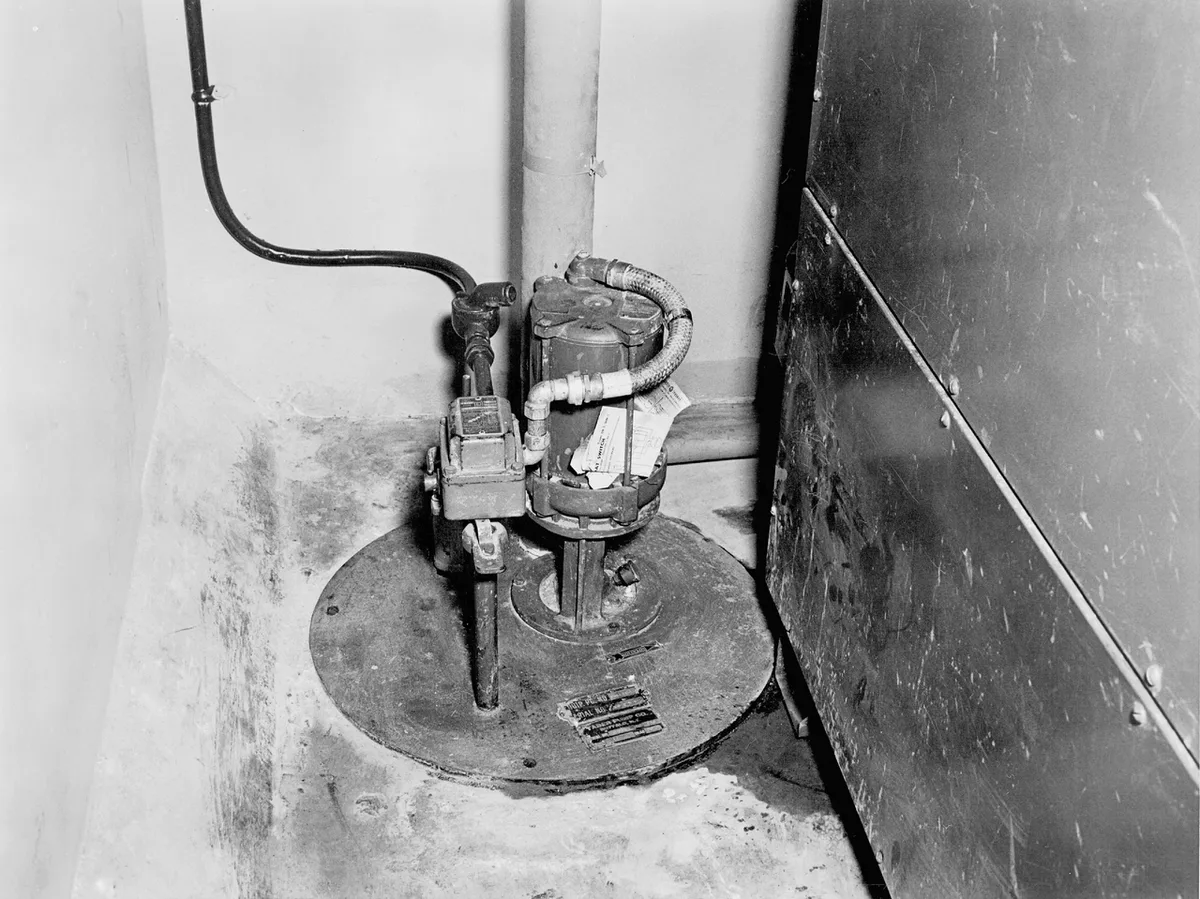
Image source: Wikimedia Commons / United States Department of Energy
Drill a 3/16 inch weep hole between the pump and check valve if your system lacks one. This small opening relieves air pressure buildup that causes dangerous water hammer upon startup. Position it facing downward toward the pit to avoid spraying water onto finished walls.
Refer to our guide on appliance diagnostic codes for similar troubleshooting logic in mechanical systems.
Legal Discharge and Frost Protection
Local ordinances strictly prohibit connecting sump pumps to sanitary sewer lines in most municipalities. Check with your local Department of Public Works before modifying existing discharge configurations. Violations carry significant fines and create public health hazards through treatment plant overload.
Storm sewer connections typically require permits and backwater prevention devices.
Protect exterior discharge pipes from freezing by burying them below the regional frost line. Insulate exposed sections with closed-cell foam sleeves rated for wet environments. Frozen lines cause immediate backflow and can split PVC pipes catastrophically.
Proper slope away from the foundation prevents ice dams at the termination point.
Common Backflow Prevention Questions
Can I Install a Check Valve Horizontally
Only spring-loaded valves function correctly in horizontal positions. Swing check valves will remain stuck open without gravity assistance. Verify manufacturer specifications before attempting non-standard orientations.
Incorrect installation voids warranties and guarantees eventual backflow failure.
Why Does My Discharge Line Thud After Shutoff
Loud thuds indicate water hammer caused by rapid valve closure against moving water. Install a water hammer arrestor or switch to silent spring-loaded models. Ensure adequate air cushion exists in the discharge column.
Persistent noise suggests undersized piping or excessive pump velocity.
Do I Need a Weep Hole With a Check Valve
Yes, unless your pump has built-in venting or self-priming capability. Air trapped between the pump and valve creates destructive hydraulic shock. Drill the hole below the valve but above the water line.
This simple step protects both plumbing and electrical components from pressure damage.
How Often Should I Replace the Valve
Most mechanical check valves last five to ten years under normal residential use. Annual testing during spring maintenance reveals wear before catastrophic failure occurs. Listen for changes in closing sound or increased pump cycling frequency.
Replace immediately if you notice visible cracks or persistent leaking at gaskets.