
How many years does a sump pump battery last depends entirely on the chemistry you choose. Most homeowners get three to five years from standard flooded lead-acid batteries before capacity drops below safe levels. AGM models typically extend that window to four or seven years with proper charging.
Lithium iron phosphate units can exceed ten years but cost significantly more upfront.
Manufacturer specifications indicate cycle life varies dramatically between these types under identical discharge conditions. Per Battery Council International testing standards, actual lifespan hinges on depth of discharge and maintenance habits rather than calendar age alone. Understanding these variables helps you predict replacement timing accurately instead of guessing during the next storm.
How Many Years Does a Sump Pump Battery Last
A sump pump battery lasts three to five years for flooded lead-acid types. AGM batteries typically survive four to seven years with correct charging. Lithium iron phosphate options often reach ten years or more.
Actual lifespan depends heavily on discharge depth and maintenance frequency.
How Long Sump Pump Batteries Actually Last by Type
Battery chemistry determines your baseline expectancy before installation even happens. Flooded lead-acid batteries remain the most common choice due to low initial cost. They require regular water top-offs and equalization charges to prevent sulfation damage.
Neglect cuts their effective life in half compared to rated specifications.
AGM batteries seal the electrolyte in glass mats to eliminate maintenance needs. They handle deeper discharges better than flooded versions without permanent damage. Our research shows consistent performance across temperature extremes where flooded cells struggle.
This reliability justifies the higher price for finished basements where failure isn't an option.
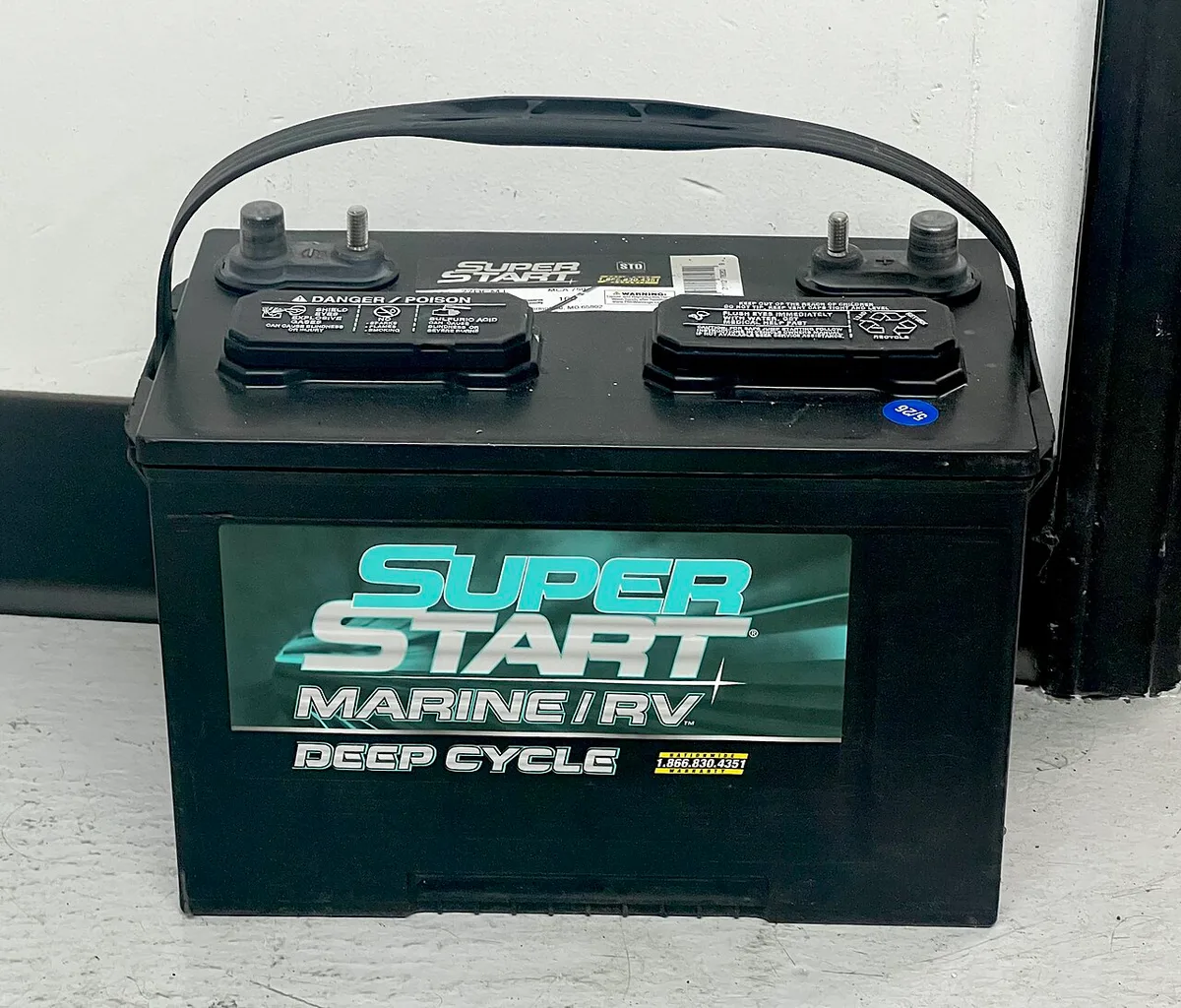
Image source: Wikimedia Commons / TaurusEmerald (CC BY-SA)
Lithium iron phosphate chemistry represents the premium tier as of 2026. These batteries tolerate near-complete discharges repeatedly without degradation. Weight savings matter less for stationary sump applications than cycle longevity.
Upfront costs run three to four times higher than AGM equivalents currently.
Flooded Lead-Acid vs. AGM vs. Lithium Lifespans
| Battery Type | Typical Lifespan | Cycle Life at 50% DoD | Maintenance Required |
|---|---|---|---|
| Flooded Lead-Acid | 3–5 years | 300–500 cycles | Monthly water checks |
| AGM | 4–7 years | 500–800 cycles | None |
| LiFePO4 | 10+ years | 2000–5000 cycles | None |
Key Factors That Shorten or Extend Battery Life
Depth of discharge matters more than almost any other variable. Draining a flooded battery below fifty percent regularly accelerates plate deterioration permanently. Shallow cycling extends service life significantly even with cheaper chemistries.
Smart controllers that limit discharge thresholds protect your investment automatically.
Charging voltage must match the specific battery type precisely. Overcharging boils off electrolyte in flooded cells and dries out AGM separators. Undercharging leaves sulfate crystals that harden over time.
Verify charger settings against manufacturer documentation before connecting new batteries.
Temperature extremes shorten lifespan regardless of chemistry quality. Garage installations in freezing climates reduce capacity through increased internal resistance. Hot mechanical rooms accelerate corrosion and electrolyte loss.
Climate-controlled basement locations provide optimal operating conditions year-round.
The Decision Tree: When to Replace vs. Maintain
Deciding whether to replace starts with objective testing rather than guesswork. Age alone doesn't determine remaining useful life accurately. A four-year-old AGM might still have eighty percent capacity if maintained properly.
Conversely, a two-year-old flooded cell could be failing from neglect.
If load testing shows capacity above eighty percent, continue maintenance protocols. Schedule retesting every six months to track degradation trends. If capacity falls between sixty and eighty percent, plan replacement within twelve months.
Keep a spare charged and ready during this transition window.
Replace immediately if capacity drops below sixty percent or physical damage appears. Swollen cases, cracked housings, or leaking terminals indicate imminent failure. Don't wait for the next rainstorm to discover insufficient backup power.
Proactive replacement prevents catastrophic basement flooding during outages.
Testing State of Health Before Replacing
Voltage readings alone don't reveal true state of health reliably. A surface charge can mask severe capacity loss until load is applied. Use a dedicated battery load tester rated for your amp-hour capacity.
Apply load for fifteen seconds while monitoring voltage drop against manufacturer charts.
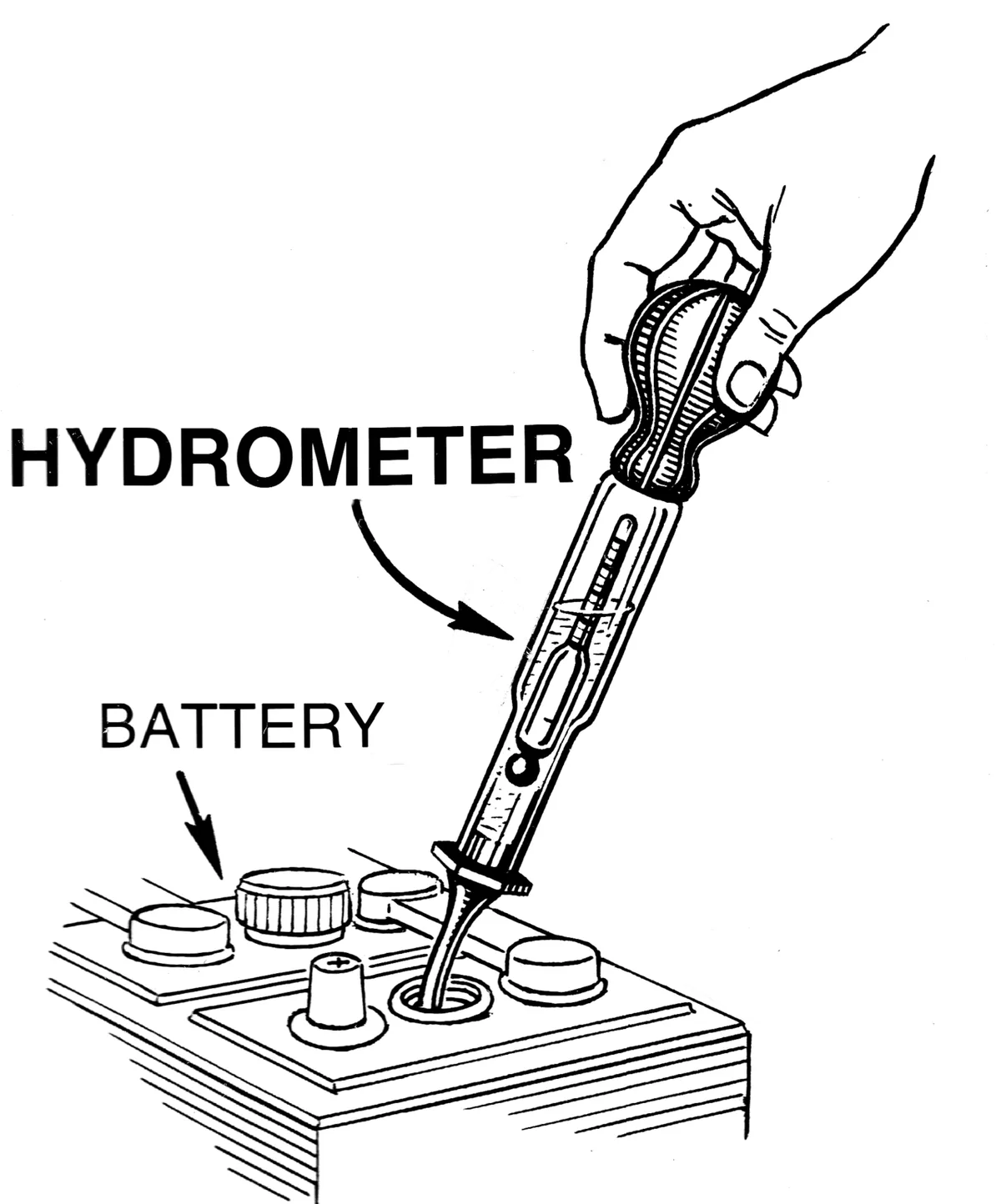
Image source: Wikimedia Commons / Pearson Scott Foresman
Hydrometer testing provides definitive answers for flooded batteries specifically. Specific gravity readings below 1.225 indicate significant sulfation or cell imbalance. Variance greater than 0.030 between cells signals irreversible damage.
This method costs little but requires safety precautions around acid.
Electronic conductance testers work safely on sealed AGM and lithium batteries. They measure internal resistance changes that correlate with capacity loss. Results appear instantly without dangerous acid exposure.
Many modern backup system controllers include this diagnostic capability built-in.
Matching Battery Chemistry to Your Risk Level
Low-risk situations suit flooded lead-acid economics adequately. Unfinished basements with minimal stored value tolerate occasional battery swaps. Budget constraints make the lower upfront cost worthwhile despite shorter life.
Just commit to monthly maintenance or accept premature replacements.
Finished living spaces demand AGM reliability at minimum. Water damage repairs far exceed battery upgrade costs quickly. Sealed construction eliminates hydrogen venting concerns in occupied areas.
Zero maintenance frees you from forgotten inspection schedules during busy seasons.
Critical infrastructure or frequent outage zones justify lithium investment. Medical equipment storage or server rooms cannot tolerate any downtime risk. Ten-year service life spreads high initial cost across many storm seasons.
Peace of mind has tangible value when stakes are highest.
For broader home system diagnostics, understanding appliance fault indicators follows similar logic to battery health assessment. Catching problems early prevents expensive emergency repairs later. Regular monitoring beats reactive troubleshooting every time.
Maintenance Workflow to Maximize Runtime and Years
Consistent maintenance separates batteries that reach rated lifespan from those failing early. Create a calendar reminder for monthly visual inspections at minimum. Check terminal tightness and cleanliness during each visit.
Loose connections cause voltage drops that mimic battery failure symptoms.
Flooded batteries need distilled water added to cover plates completely. Never use tap water since minerals accelerate self-discharge rates. Equalize charge monthly per manufacturer instructions to balance cells.
This controlled overcharge dissolves sulfate buildup before it hardens permanently.
Sealed batteries require charger verification instead of fluid checks. Confirm float voltage stays within specification using a multimeter. Clean terminals with baking soda solution if corrosion appears.
Tighten hardware to specified torque values to prevent arcing damage.
Monthly and Annual Inspection Checklist
- Visual inspection for swelling, cracks, or leaks
- Terminal cleaning and torque verification
- Electrolyte level check (flooded only)
- Charger output voltage measurement
- Load test every six months
- Full discharge simulation annually
- Connection wiring integrity assessment
- Backup controller alarm function test
Common Mistakes That Kill Backup Batteries Early
Ignoring charger compatibility destroys batteries faster than anything else. Automotive chargers lack proper float stages for deep-cycle applications. They overcharge continuously during standby periods.
Always use chargers designed specifically for your battery chemistry and application.
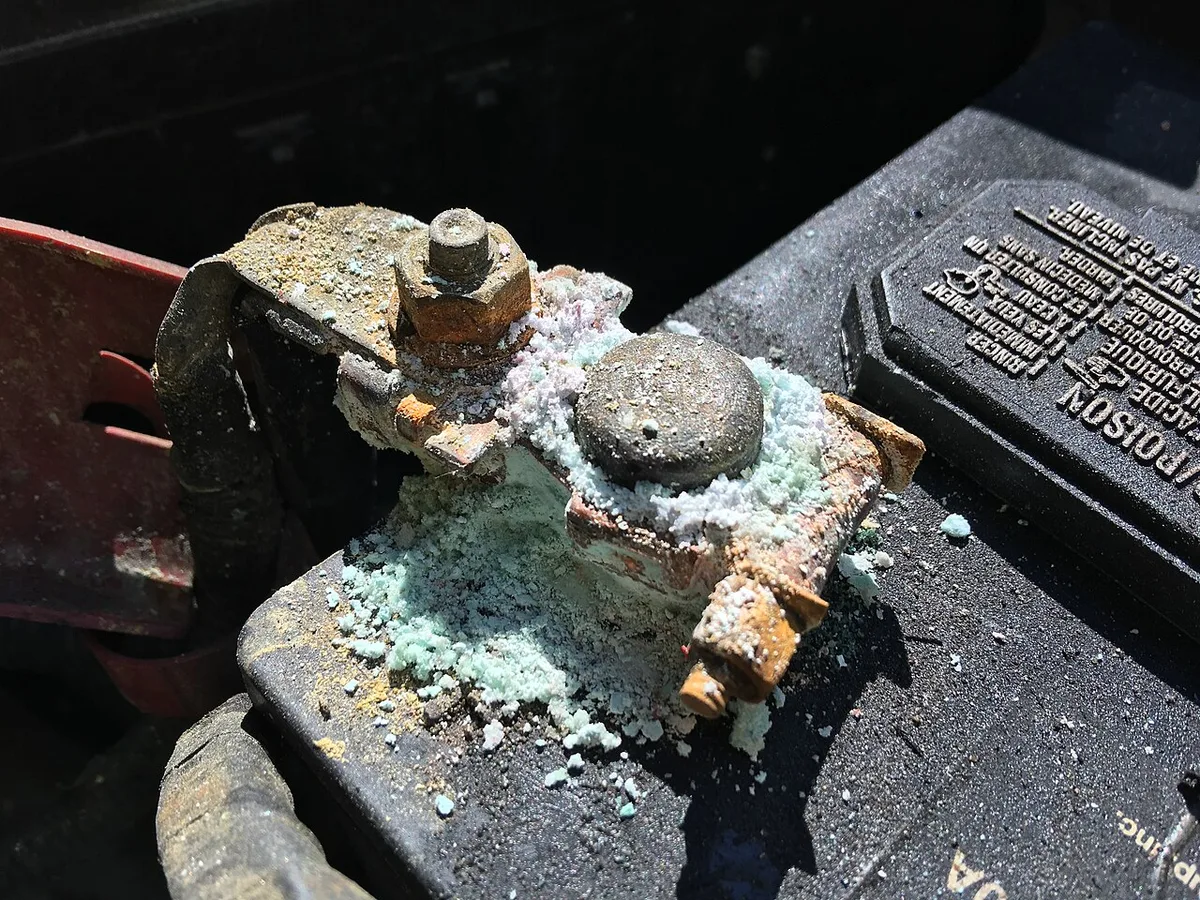
Image source: Wikimedia Commons / MarkBuckawicki
Leaving batteries discharged after power restoration accelerates sulfation. Recharge immediately once grid power returns fully. Partial states of charge cause stratification in flooded cells.
Smart chargers with automatic reconditioning modes help reverse mild damage.
Mixing old and new batteries in parallel configurations ruins both quickly. The weaker unit drags down the stronger one constantly. Replace entire banks simultaneously even if only one tests bad.
Parallel setups should always use identical age and chemistry matches.
Neglecting ventilation creates safety hazards beyond shortened lifespan. Hydrogen gas accumulates during charging cycles invisibly. Spark sources near unvented batteries risk explosion.
Follow NFPA guidelines for enclosure sizing and airflow requirements strictly.
Frequently Asked Questions About Sump Pump Battery Life
Can I use a car battery for my sump pump backup?
Starting batteries aren't designed for deep discharge cycles and will fail within months. They have thin plates optimized for cranking amps, not sustained runtime. Deep-cycle marine or RV batteries handle repeated draining properly.
Using the wrong type wastes money and compromises flood protection reliability.
How do I know if my sump pump battery needs replacing?
Load testing reveals true capacity better than voltage checks alone. Below eighty percent rated capacity indicates replacement planning time. Physical signs like swelling or terminal corrosion demand immediate action.
Annual professional testing removes guesswork from critical backup system reliability assessments.
Does leaving my sump pump battery plugged in damage it?
Modern smart chargers maintain float voltage safely indefinitely without damage. Cheap trickle chargers without regulation will overcook batteries over time. Verify your charger has automatic float stage functionality.
Quality battery backup systems include appropriate charging management built into their controllers.
Why did my new sump pump battery die so quickly?
Incompatible charger settings are the most common culprit for premature failure. Incorrect voltage damages batteries irreversibly within weeks sometimes. Manufacturing defects occur but are statistically rare compared to user error.
Document purchase date and test results for warranty claims if needed.