
Knowing how to prepare a sump pump for spring storms prevents catastrophic basement flooding when snowmelt and heavy rains arrive. This seasonal maintenance routine ensures your primary drainage system handles sudden volume surges without mechanical failure or electrical issues.
Manufacturer specifications indicate most residential pumps last seven to ten years with proper annual servicing. The National Electrical Code requires GFCI protection for basement receptacles to prevent shock hazards during wet conditions. Let’s walk through the exact inspection steps that keep your system reliable.
How to Prepare a Sump Pump for Spring Storms
To prepare a sump pump for spring storms, clean the pit and test the float switch operation. Inspect the discharge line for ice damage or blockages before heavy rain begins. Verify backup battery charge levels and replace old units immediately.
Run a manual flow test to confirm full system readiness.
Why Spring Storm Prep Prevents Costly Basement Floods
Spring weather creates unique stress on drainage systems that winter dormancy often masks. Rapid snowmelt combined with saturated ground can overwhelm an untested pump within hours. Our research shows most spring failures trace back to neglected pre-season inspections rather than sudden mechanical defects.
The Hidden Risks of Winter Damage and Power Loss
Freezing temperatures frequently crack PVC discharge lines or warp check valves without visible signs. Ice expansion inside exterior piping creates partial blockages that restrict flow during peak demand. Power outages during spring thunderstorms disable primary pumps exactly when water intrusion peaks.
Battery backups lose capacity over cold months even when unused. Aggregate reviews report many homeowners discover dead batteries only after flooding starts. Water-powered backup systems require adequate municipal pressure that may drop during widespread emergencies.
Testing these redundancies before storms hit eliminates dangerous guesswork.
What Happens When a Sump Pump Fails Mid-Storm
Water enters finished basements at rates exceeding 1,000 gallons per hour during severe events. Drywall absorbs moisture instantly while hardwood flooring warps beyond repair. Mold colonization begins within 24 to 48 hours according to FEMA flood preparedness documentation.
Insurance claims average over $30,000 for basement water damage as of 2026. Many policies exclude gradual seepage resulting from unmaintained equipment. Proactive preparation costs a fraction of emergency restoration expenses.
Understanding these stakes motivates thorough seasonal checks rather than superficial glances.
Critical Pre-Storm Inspection and Testing Checklist
A systematic inspection catches problems before water rises. Start by unplugging the pump and removing debris from the basin liner. Check the float switch movement for smooth vertical travel without obstruction.
Clean any silt buildup that could jam mechanical components.
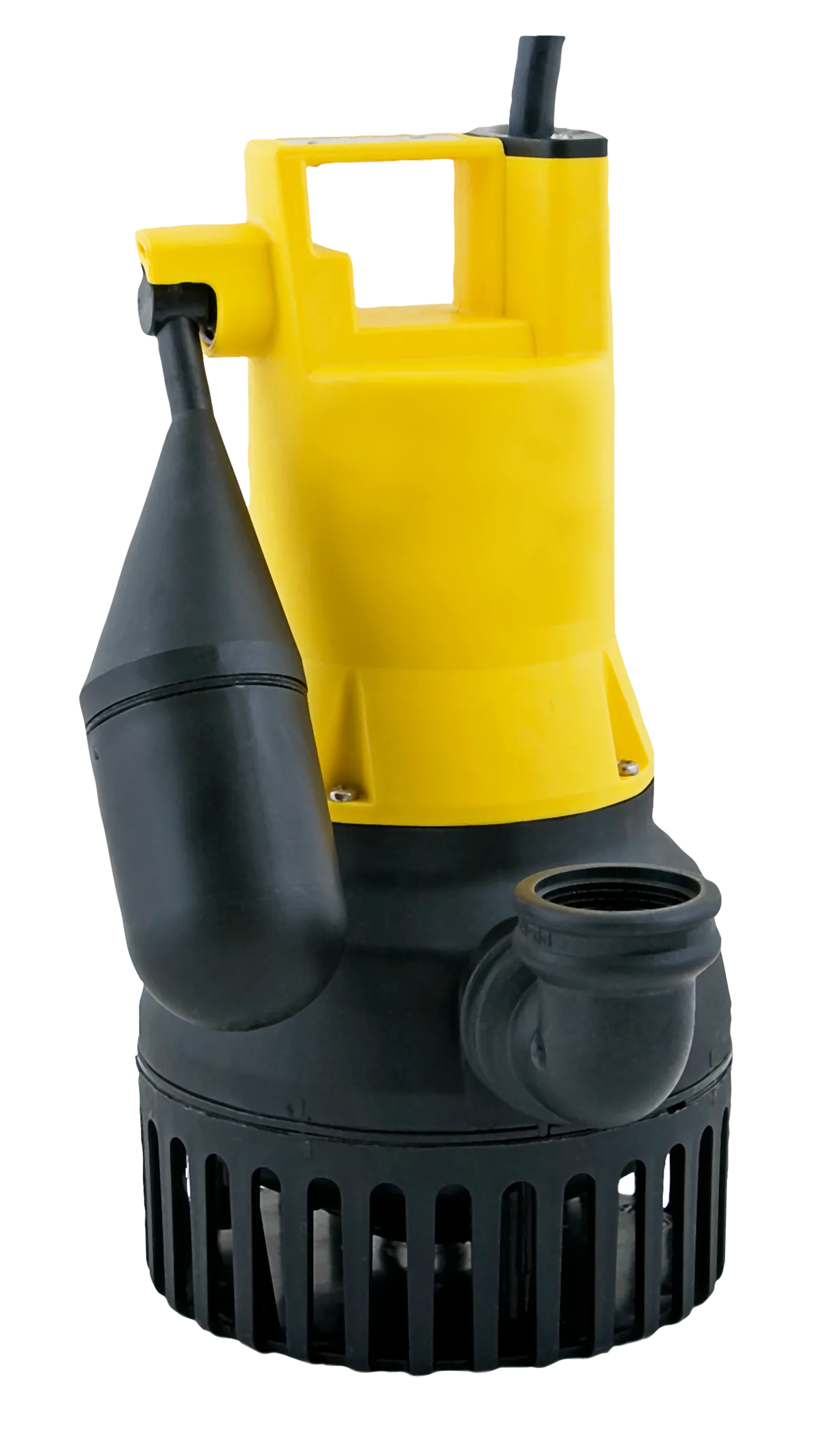
Image source: Wikimedia Commons / PumpExpert (CC BY-SA)
Verifying Discharge Lines, Check Valves, and Float Switches
Exterior discharge pipes need visual inspection for cracks or frost heave damage. Ensure the outlet extends far enough from the foundation to prevent recirculation. The air gap fitting must remain clear to avoid siphoning contaminated water back into the pit.
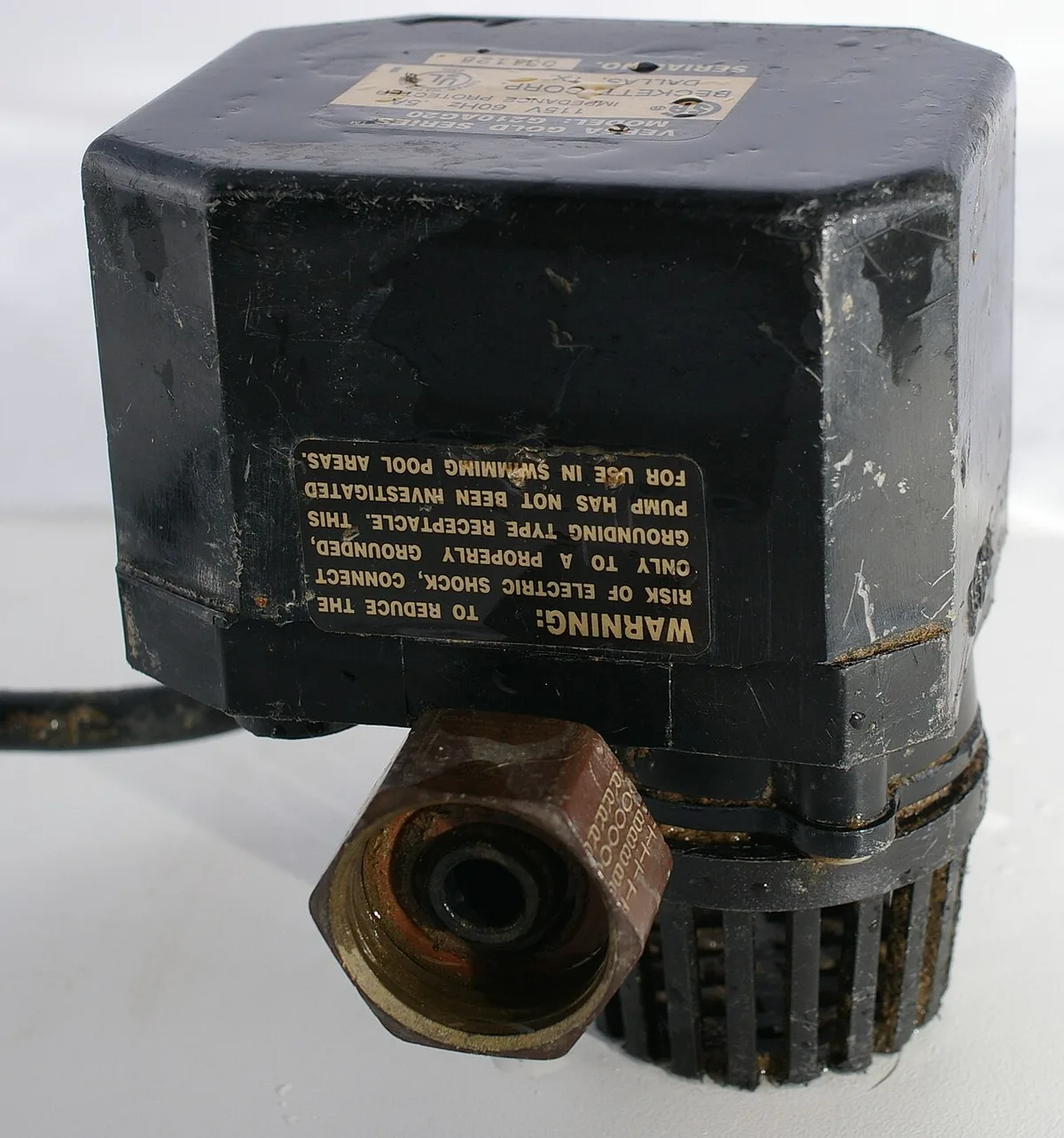
Image source: Wikimedia Commons / Hustvedt (CC BY-SA)
Check valves should open freely and close completely without sticking. A faulty valve allows pumped water to drain back into the basin between cycles. This backflow causes short cycling that burns out motors prematurely.
Replace worn valves before they fail during critical pumping periods.
Performing a Safe Functional Flow Test
Pour five gallons of water directly into the sump pit to trigger activation. Watch the float rise and listen for normal motor startup sounds. Observe discharge flow strength at the exterior outlet point.
Weak flow suggests impeller wear or partial line blockage requiring attention.
Time how long the pump runs to empty the test volume. Compare this against manufacturer GPM ratings at your specific head height. Significant deviations indicate declining performance needing professional evaluation.
Document test results to track degradation trends over multiple seasons.
Backup System Readiness: Batteries, Water-Powered Units, and Alarms
Test battery backup systems by unplugging the primary pump during a flow test. Measure runtime against manufacturer specifications for your battery age and type. Replace batteries showing less than 70% of rated capacity.
Corroded terminals need cleaning to ensure reliable power transfer.
Water-powered backups require verification of supply valve operation and adequate pressure. Test the activation mechanism manually to confirm it engages properly. High-water alarms deserve monthly battery checks regardless of season.
These early warnings provide crucial response time before damage escalates.
Common Preparation Mistakes That Cause Mid-Storm Failures
Rushing through inspections leads to overlooked vulnerabilities. Many homeowners test only the primary pump while ignoring backup systems entirely. Others assume new equipment needs no verification after installation.
These assumptions create false confidence that shatters during actual emergencies.
Overlooking Frozen Lines, Air Locks, and Electrical Hazards
Discharge lines buried above frost depth frequently freeze solid in northern climates. Thawing occurs unevenly, leaving ice plugs that block flow completely. Weep holes on pedestal pumps clog with sediment, causing air locks that prevent priming.
Both issues mimic motor failure but stem from simple maintenance oversights.
GFCI outlets sometimes trip due to moisture accumulation in outdoor connections. Extension cords used temporarily become permanent fire hazards. Dedicated circuits prevent overloads when multiple appliances run simultaneously.
Addressing electrical safety protects both equipment and household occupants from harm.
Ignoring Manufacturer Lifespans and Code Compliance
Pumps operating beyond their expected service life face increasing failure probability. Capacitor degradation reduces starting torque until the motor hums without turning. Bearing wear increases amp draw while decreasing flow output.
Replacement timing matters more than waiting for complete breakdown.
Local plumbing codes prohibit discharging sump water into sanitary sewer systems. Violations carry fines and create environmental contamination risks. Proper grading and downspout extensions reduce pump workload significantly.
Compliance ensures legal protection alongside functional reliability.
When to Call a Professional vs. DIY Safely
Electrical work beyond simple outlet testing requires licensed electricians. Persistent short cycling despite cleaning suggests deeper wiring or switch problems. Unusual noises or burning smells warrant immediate professional diagnosis.
Safety always trumps cost savings when dealing with water and electricity combinations.
Simple cleaning, visual inspections, and basic flow tests suit confident DIYers. Battery replacements and check valve swaps fall within moderate skill ranges. Recognize your limits honestly before attempting complex repairs.
Professional service records also support warranty claims and insurance documentation.
Frequently Asked Questions
How often should I test my sump pump before spring?
Test your sump pump at least once each spring before heavy rains begin. Monthly testing provides better assurance in high-risk areas. Pour five gallons into the pit and verify complete evacuation.
Document each test date and observed performance for maintenance records.
Can I use a generator to power my sump pump during outages?
Yes, generators can power sump pumps if properly sized and connected. Match generator wattage to pump startup requirements plus safety margin. Use transfer switches installed by licensed electricians to prevent backfeeding.
Never plug generators directly into household outlets or extension cords.
What size battery backup do I need for spring storms?
Battery sizing depends on pump amperage and desired runtime duration. Most residential systems require 75 to 100 amp-hour deep cycle batteries. Calculate runtime by dividing battery capacity by pump amp draw.
Consult manufacturer charts for specific recommendations matching your pump model.
Should I replace my sump pump every spring season?
No, quality sump pumps typically last seven to ten years with maintenance. Replace based on performance decline rather than arbitrary schedules. Monitor flow rates and amp draw annually for degradation trends.
Budget for replacement when testing reveals consistent underperformance or frequent repairs.