
Understanding what is a sump pump drainage trench helps you protect your foundation from water damage. This buried channel carries discharge water safely away from your home using gravity and proper grading.
A functional system requires at least 1% slope per IRC standards to prevent freezing or backflow. Getting these spatial relationships right determines whether your basement stays dry or floods during the next heavy storm.
What Is a Sump Pump Drainage Trench
A sump pump drainage trench is a buried gravel channel that directs water away from foundations. It uses perforated pipe wrapped in geotextile fabric to manage groundwater discharge. The trench relies on gravity and specific grading to move water safely.
Proper construction prevents soil saturation near structural footings. This system protects basements from hydrostatic pressure buildup.
Core Components That Make the System Work
Three distinct layers create a functional drainage path that resists clogging. Rigid PVC Schedule 40 pipe handles high-velocity discharge better than corrugated tubing for sump applications. Washed #57 stone provides void space for water flow while filtering sediment.
Non-woven geotextile fabric separates soil from gravel to maintain long-term permeability.
Skipping any component compromises the entire assembly. Aggregate reviews show most failures stem from missing fabric or wrong stone size. Manufacturer specifications confirm clean washed stone prevents premature silt buildup.
You need all three elements working together for reliable performance.
Visualizing Proper Slope and Discharge Distance
Water needs consistent downward movement to avoid pooling inside the pipe. A laser level verifies the required 1% minimum grade before backfilling begins. Most codes mandate discharge points sit at least 20 feet from foundation walls.
This distance prevents recirculation where pumped water soaks back into basement soils.
Shallow trenches in cold climates require insulated covers or deeper burial below frost lines. Surface grading must also slope away from the house independently of the trench. Our research indicates combining proper subsurface drainage with positive surface grading eliminates most wet basement callbacks.
Always verify local frost depth requirements before digging.
Step-by-Step Installation: Getting the Grade and Layers Right
Excavation width typically spans 6 to 12 inches depending on pipe diameter and gravel cover needs. Dig deep enough to accommodate bedding stone plus pipe height plus top cover. Use string lines or transit levels to maintain constant fall toward the discharge point.
Call 811 before breaking ground to locate underground utilities safely.
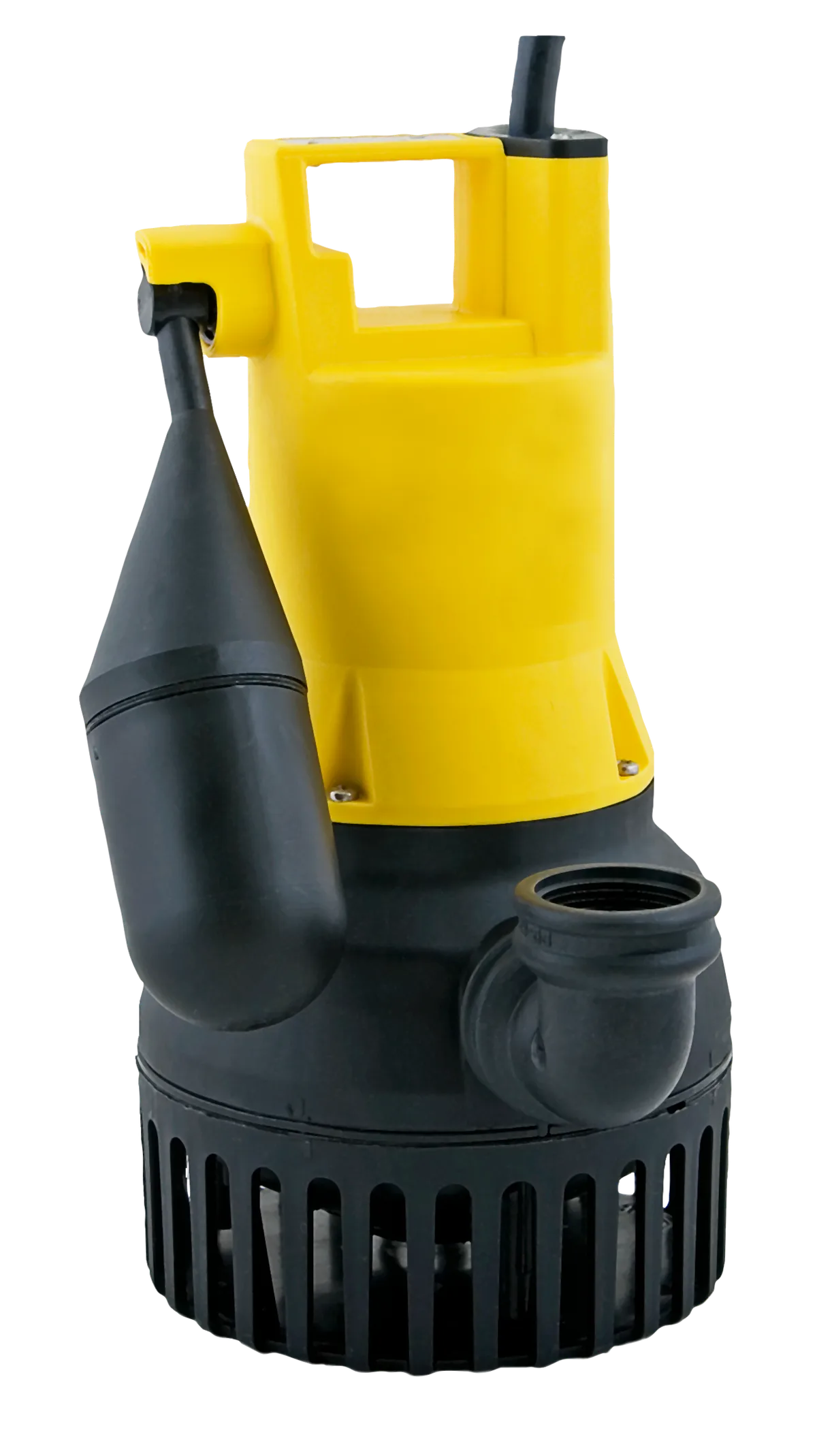
Image source: Wikimedia Commons / PumpExpert (CC BY-SA)
Place 2 to 3 inches of washed gravel as a stable base layer first. Lay solid PVC for the initial 10 feet from the pump then switch to perforated if infiltrating. Wrap fabric around stone completely with 6-inch overlaps to prevent soil intrusion.
Backfill carefully to avoid crushing pipes or shifting grade.
Critical Specs for Depth Width and Stone Size
| Component | Minimum Spec | Purpose |
|---|---|---|
| Trench Width | 6 to 12 inches | Allows proper gravel envelope |
| Bedding Layer | 2 to 3 inches | Supports pipe and aids drainage |
| Top Cover | 3 to 6 inches | Protects pipe and filters runoff |
| Stone Size | #57 washed | Prevents clogging and maintains flow |
| Fabric Weight | 4 oz/yd² min | Resists tearing during installation |
These dimensions align with ASTM C33 aggregate standards for drainage applications. Deviating risks reduced capacity or structural collapse under load. Always match stone gradation to fabric permeability ratings.
Proper sizing ensures decades of maintenance-free operation.
Common Failures: Frozen Lines Clogs and Code Violations
Winter freeze-ups occur when discharge lines lack adequate slope or insulation. Standing water inside pipes expands and blocks flow during cold snaps. Installing freeze-proof standpipes or heating cables prevents this seasonal failure mode.
Regular inspection catches ice dams before they cause basement flooding.
Sediment accumulation chokes systems lacking proper filtration layers. Connecting sump pumps to sanitary sewers violates plumbing codes in most jurisdictions as noted by EPA stormwater guidelines. Short-cycling happens when discharge outlets sit too close to foundation walls.
Root intrusion damages perforated sections planted near trees or shrubs.
Winterization and Maintenance Checklist
Flush lines annually with garden hose pressure to clear debris buildup. Inspect check valves for proper operation and replace worn flappers immediately. Verify pop-up emitters move freely without obstruction from grass or mulch.
Test pump function before rainy seasons to confirm unobstructed flow paths.
Clear splash blocks of eroded soil to maintain positive drainage away from structures. Document maintenance dates to track system health over time. Proactive care extends equipment lifespan significantly compared to reactive repairs.
Simple prevention beats costly emergency service calls every time.
Frequently Asked Questions
How deep should a sump drainage trench be?
Depth depends entirely on regional frost line requirements and site conditions. Cold climate zones often need 36 to 48 inches minimum burial depth. Shallow installations require insulated covers or heat tracing to prevent freezing.
Always consult local building codes for specific depth mandates in your area.
Can I use corrugated pipe instead of PVC?
Rigid PVC Schedule 40 outperforms corrugated tubing for pressurized sump discharge applications. Corrugated pipe creates friction loss and traps sediment more easily over time. Reserve flexible piping only for low-flow gravity French drains.
Manufacturer specs consistently recommend smooth-wall PVC for reliable pump performance.
What happens if my trench lacks proper slope?
Insufficient grade causes standing water that freezes in winter or stagnates year-round. Water pools instead of flowing toward the discharge point effectively. This leads to ice blockages and accelerated sediment accumulation.
Re-grading existing trenches requires complete excavation and reconstruction to fix properly.
Do I really need geotextile fabric?
Fabric prevents fine soil particles from migrating into gravel void spaces over time. Without separation, the drainage matrix clogs within months or years. Replacement costs far exceed initial fabric investment significantly.
All major drainage standards require geotextile separation for permanent installations.