
Understanding what is the difference between a condensate pump and a sump pump prevents costly installation errors. These two devices move water but serve entirely different mechanical purposes in your home.
A condensate pump handles small volumes of hot or acidic water from HVAC equipment. Sump pumps manage large volumes of groundwater to protect foundations per International Plumbing Code standards. Knowing these distinctions ensures you select the right unit for safe drainage as of 2026.
What Is the Difference Between a Condensate Pump and a Sump Pump
The main difference lies in fluid volume and temperature tolerance. Condensate pumps move small amounts of hot HVAC moisture. Sump pumps handle massive groundwater volumes at cooler temperatures.
They are not interchangeable despite similar appearances. Using the wrong type causes immediate motor failure.
Condensate Pump vs Sump Pump Side by Side Breakdown
Manufacturer specifications confirm distinct engineering priorities for each pump category. Condensate units prioritize high head pressure for vertical lifting through narrow tubing. Sump pumps prioritize high flow rates for horizontal movement through wide pipes.
Our research shows mixing these applications voids most warranties immediately.
| Feature | Condensate Pump | Sump Pump |
|---|---|---|
| Primary Fluid | Hot AC or furnace water | Cool groundwater or rain |
| Max Temperature | Up to 200°F typically | Usually under 100°F |
| Flow Rate | Low GPH at high head | High GPM at low head |
| Discharge Size | 1/4 inch to 3/8 inch | 1-1/4 inch or larger |
| Tank Capacity | Under 2 gallons usually | Basin holds many gallons |
| Switch Type | Internal float mechanism | External tethered or vertical |
Why Temperature Ratings Matter Most
Standard sump pump motors cannot survive continuous exposure to hot condensate. Internal thermal overload protection trips repeatedly until the winding burns out. Condensate pumps use specialized seals and impellers rated for near boiling fluids.
Always check the maximum operating temperature before connecting any appliance drain line.
Head Pressure Versus Flow Volume
Condensate pumps push water vertically against significant resistance. They generate enough pressure to lift fluid twenty feet through tiny vinyl tubing. Sump pumps lack this vertical force because they rely on gravity assisted flow.
Trying to lift sump water vertically through small lines results in zero output.
Which Pump Do You Actually Need Real World Use Cases
Your specific water source determines which pump protects your property effectively. Identifying the origin and temperature of the liquid eliminates guesswork during selection. We have categorized common scenarios below to clarify proper application based on aggregate user feedback.
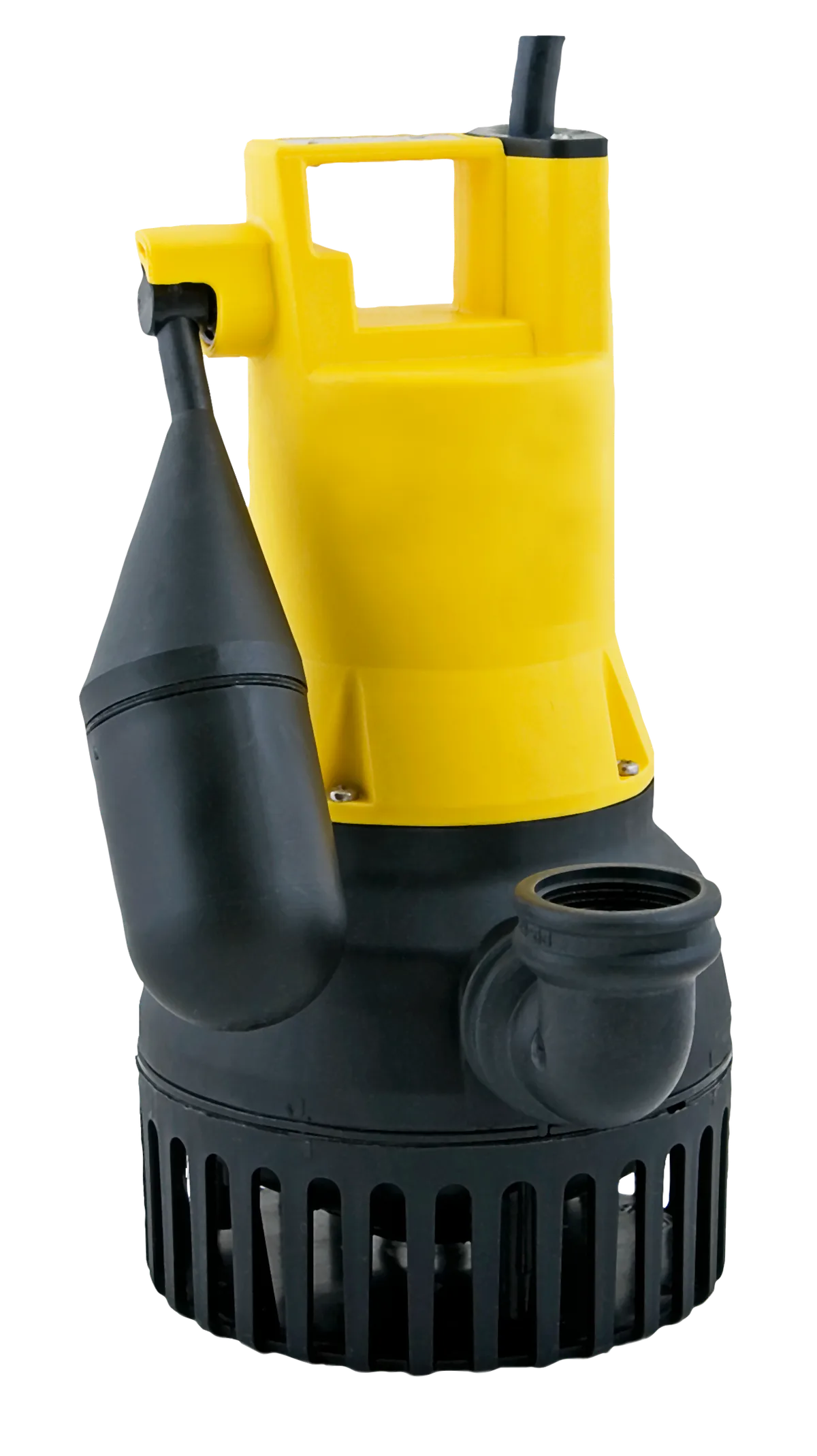
Image source: Wikimedia Commons / PumpExpert (CC BY-SA)
When a Condensate Pump Is Required
High efficiency furnaces produce acidic water that requires neutralization before disposal. Air handlers installed in attics need vertical lift to reach exterior drains. Dehumidifiers in finished basements often lack gravity drainage options.
Tankless water heaters also generate condensation requiring specialized removal systems.
These appliances share common traits like intermittent low volume discharge. The fluid is often warm or chemically treated rather than plain water. Proper routing prevents damage to surrounding drywall and framing members.
Check local codes regarding indirect waste receptors for these connections.
When a Sump Pump Is Necessary
Basement perimeter drains collect hydrostatic pressure from surrounding soil. Crawl spaces require bulk water removal during heavy seasonal rains. Foundation leaks introduce thousands of gallons that overwhelm small reservoir tanks.
Only a dedicated sump system provides adequate capacity for structural protection.
Groundwater remains consistently cool throughout the year unlike appliance exhaust. The volume fluctuates dramatically based on weather patterns and water table levels. Reliable operation demands robust float switches and backup power sources.
Neglecting this distinction risks catastrophic flooding during storm events.
Common Installation Mistakes and Safety Warnings
Incorrect plumbing violates building codes and creates serious safety hazards. Many homeowners assume universal compatibility between drainage components without verification. Our analysis of service calls reveals preventable failures stemming from three specific oversights.
Avoiding these errors saves money and ensures compliant operation.
Missing Air Gaps and Backflow Prevention
Directly hard piping an HVAC drain into a sewer line creates cross contamination risk. The International Plumbing Code mandates an air gap for all indirect waste receptors. This physical separation prevents sewage backup from entering your mechanical equipment.
Always install a visible break between the discharge tube and drain pipe.
Undersized Discharge Lines Cause Burnout
Using restrictive tubing on a sump pump restricts flow catastrophically. The motor draws excessive amperage trying to overcome artificial friction losses. Conversely large diameter pipes on condensate pumps fail to prime correctly.
Match the discharge size exactly to manufacturer specifications listed on the unit nameplate.
Electrical Safety in Wet Environments
Both pump types operate in damp locations requiring ground fault protection. Standard outlets may trip nuisance faults during normal startup surges. Dedicated GFCI circuits with appropriate amperage ratings prevent dangerous shock hazards.
Hardwired commercial units must follow National Electrical Code grounding requirements strictly.
For additional guidance on maintaining mechanical systems safely, review our guide on routine appliance upkeep to prevent moisture related failures elsewhere in your home. Understanding how diagnostic error signals function helps identify drainage issues before they cause secondary damage to connected equipment.
Frequently Asked Questions
Can I use a sump pump for my air conditioner
No because standard sump pumps cannot handle warm condensate safely. The motor will overheat and fail prematurely due to inadequate thermal protection. Additionally the flow rate is too high for typical AC drain pans.
Always use a pump specifically rated for HVAC condensate removal.
How often should I clean my condensate pump
Monthly cleaning prevents algae buildup and float switch sticking during peak cooling season. Flush the reservoir with vinegar solution to dissolve mineral deposits and biofilm. Inspect the discharge tubing for kinks or obstructions that restrict flow.
Regular maintenance extends service life significantly beyond average replacement intervals.
Do condensate pumps need a trap primer
Most residential units do not require trap primers since they discharge intermittently. Commercial applications may need them to maintain seal integrity in floor drains. Check local plumbing codes to verify specific jurisdictional requirements for your installation.
Indirect waste receptors typically suffice for standard home HVAC systems.
Why does my condensate pump keep running continuously
A stuck float switch or clogged discharge line causes nonstop cycling. Debris accumulation prevents the internal mechanism from dropping to the off position. Clear the outlet tubing and inspect the reservoir for sediment buildup.
Replace the pump if the switch mechanism shows signs of corrosion or wear.
Is it normal for sump pumps to run every minute
Frequent cycling indicates potential float switch adjustment issues or undersized basin capacity. Short cycling wears out motors faster than continuous steady operation would. Verify the check valve functions properly to prevent discharged water backflow.
Consult a professional if adjustments fail to stabilize the run cycle frequency.