
Yes, HVAC condensate can drain into a sump pump pit if local codes allow it. This setup requires specific safety components to prevent health hazards. You must install proper traps and air gaps to stop gas infiltration.
Always verify compliance with the International Mechanical Code before proceeding. Incorrect installation risks serious indoor air quality issues in your home.
Can HVAC Condensate Drain Into a Sump Pump Pit
HVAC condensate can drain into a sump pit legally. Local building codes dictate specific installation requirements. An air gap prevents dangerous backflow contamination.
A P-trap blocks sewer gas entry effectively. Never connect the drain line directly without protection.
Hidden Risks: Radon, Sewer Gas, and Code Compliance You Can’t Ignore
Direct connections create immediate health hazards in living spaces. Sump pits often act as pathways for soil gases. The EPA warns that unsealed openings invite radon infiltration.
Your HVAC system can then distribute this carcinogen throughout the house. Sewer gas backup is another serious concern for homeowners.
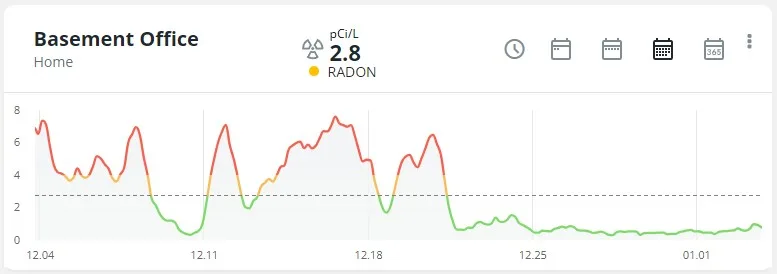
Image source: Wikimedia Commons / AlwaysRight79 (CC BY-SA)
Biological contaminants thrive in standing sump water too. Mold spores enter the airstream through open drain lines. This recirculates allergens directly into your conditioned space.
Manufacturer specifications warn this voids equipment warranties immediately. Aggregate reviews report persistent musty odors from improper setups.
The International Mechanical Code Section 307 governs this practice strictly. It mandates indirect waste receptors for all condensate. Direct piping violates plumbing standards in most jurisdictions.
Inspectors will flag missing air gaps during assessments. You risk costly fines and failed inspections without compliance.
Water damage remains a constant threat with this method. Sump pumps fail during heavy storms or power outages. Backed-up water floods basement floors quickly.
We’ve seen insurance claims denied for code violations. Proper diagnostic checks help identify drainage failures early.
How to Do It Safely: Air Gaps, Traps, and Sealed Systems
Safe installation demands three critical mechanical components working together. First, install a P-trap on the condensate line. The trap seal must be at least two inches deep.
This water barrier stops gases from traveling upstream. Clean the trap regularly to prevent algae clogs.
Second, maintain a visible air gap above the sump water. The gap must equal twice the pipe diameter minimum. Most experts recommend two inches of vertical clearance.
This physical separation prevents any backflow possibility. Never submerge the drain tube below the waterline.
Third, ensure your sump basin has an airtight cover. Sealed lids block radon and moisture escape routes. Use gaskets designed for radon mitigation systems.
Verify the seal integrity after every maintenance visit. Unsealed pits compromise the entire safety strategy.
| Component | Minimum Requirement | Purpose |
|---|---|---|
| P-Trap Seal | 2 inches deep | Blocks gas migration |
| Air Gap | 2x pipe diameter | Prevents backflow |
| Sump Cover | Airtight gasket seal | Contains soil gases |
| Pipe Slope | 1/8 inch per foot | Ensures gravity flow |
Check valve installation adds extra protection against backflow. Place it downstream of the trap assembly. This prevents sump water from entering the drain line.
Test the valve operation quarterly during routine upkeep. Understanding troubleshooting codes helps spot related system issues faster.
Better Alternatives When a Sump Pit Isn’t the Right Choice
Exterior discharge is often the safest drainage option. Route the line directly outside through the foundation wall. Terminate at least six inches above grade level.
This eliminates all indoor air quality risks completely. Freeze protection becomes necessary in cold climates though.
Utility sinks provide excellent indirect waste reception points. The sink acts as a natural air gap fixture. You gain visual confirmation of proper drainage flow.
Clogs become immediately apparent instead of hidden. This method satisfies most plumbing inspectors without hesitation.
Dedicated condensate pumps offer maximum installation flexibility. They lift water vertically to reach distant drains. Install one when gravity flow isn't achievable.
Modern units include safety switches and alarms. Maintenance involves periodic cleaning and float testing.
French drains handle high-volume condensate safely outdoors. Buried gravel beds disperse water gradually into soil. This works well for homes without storm sewers.
Ensure proper slope away from the foundation. Per EPA guidelines, exterior management reduces indoor exposure risks significantly.
Consider a condensate neutralizer kit for acidic water. High-efficiency furnaces produce corrosive condensate naturally. Neutralizers protect metal pipes and septic systems.
Replace the media cartridge annually as directed. This small step extends your entire drainage system lifespan.
Frequently Asked Questions
Does condensate need a trap before the sump?
Yes, a P-trap is absolutely mandatory for safety. It creates a water seal blocking sewer gases. Without it, toxic fumes enter your HVAC system directly.
Building codes require this component universally. Never skip this step during installation or repairs.
Can dehumidifier water drain into sump pits?
Dehumidifiers follow identical safety rules as AC units. You still need proper traps and air gaps. The water volume is typically lower but risks remain.
Check manufacturer instructions for specific drainage specs. Some portable units prohibit sump connections entirely.
Why does my sump smell like rotten eggs?
Rotten egg odors indicate hydrogen sulfide gas presence. This comes from bacterial growth in stagnant water. Missing or dried-out traps allow gas migration upward.
Flush the pit and verify trap seals immediately. Persistent smells suggest deeper ventilation problems needing professional assessment.
Is condensate safe for sump pump motors?
Condensate is generally safe for standard sump pumps. The water is slightly acidic but not corrosive. However, biological slime can clog impellers over time.
Regular pump maintenance prevents premature motor failure. Monitor performance closely during peak cooling seasons.
What size pipe handles HVAC condensate properly?
Three-quarter inch PVC is the industry standard size. Larger units may require one-inch diameter piping. Always match the manufacturer’s specified outlet size.
Undersized pipes cause overflow and water damage. Verify local code minimums before purchasing materials.