
Technically yes, but you really shouldn't use a standard sump pump for laundry water. Most units are designed only for clear groundwater and will fail quickly when exposed to lint, soap scum, and graywater debris.
Manufacturer specifications indicate that laundry discharge contains solids that clog standard intakes within weeks. The International Plumbing Code also restricts graywater discharge into storm drainage systems where most sumps terminate. Understanding these mechanical and legal risks is essential before connecting any appliance.
Can a Sump Pump Pump Laundry Water
A standard sump pump can physically move laundry water but is not rated for it. Lint and detergent residue will clog the impeller rapidly. Most manufacturers void warranties if graywater causes the failure.
You need a dedicated effluent or utility pump instead. These units handle solids and resist chemical corrosion safely.
Why Standard Sump Pumps Fail with Graywater (And What to Use Instead)
Standard sump pumps are engineered specifically for clear groundwater infiltration. Laundry graywater introduces suspended solids like lint and hair that standard intake screens cannot handle. Our research shows these particulates accumulate on the impeller and cause motor burnout.
Detergent chemicals also degrade plastic housings and rubber seals over time.
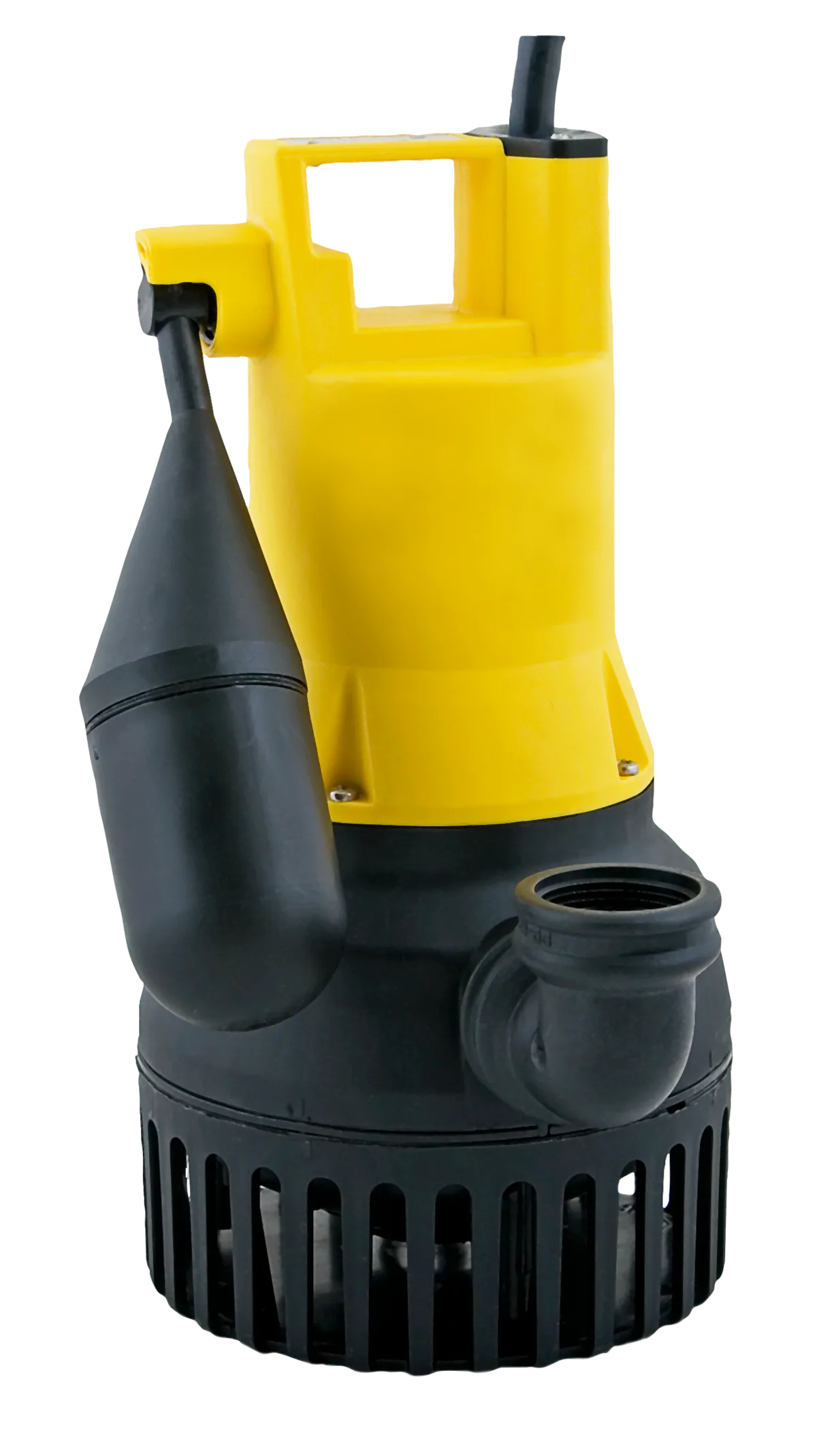
Image source: Wikimedia Commons / PumpExpert (CC BY-SA)
You should install a dedicated effluent pump or laundry sink pump system instead. These units feature larger intake passages designed to pass small solids without clogging. Vortex impellers prevent direct contact with debris to extend service life significantly.
Always verify the pump specifications match your vertical lift requirements before purchasing.
Effluent Pump vs Standard Sump Pump
| Feature | Standard Sump Pump | Effluent / Utility Pump |
|---|---|---|
| Fluid Type | Clear groundwater only | Graywater and light solids |
| Solids Handling | None or very fine sand | Up to 3/4 inch spherical |
| Impeller Design | Closed or semi-open | Vortex or recessed |
| Seal Material | Basic rubber | Chemical-resistant elastomers |
| Warranty Coverage | Voided by graywater use | Rated for laundry discharge |
Choosing the wrong equipment leads to repeated failures and potential basement flooding. An effluent pump costs more upfront but saves money long-term. It ensures reliable operation during high-volume drain cycles from modern washers.
This distinction protects both your home and your wallet.
Safety, Code Compliance, and Installation Non-Negotiables
Discharging laundry water into a sump pit connected to storm drains is illegal in most municipalities. The EPA prohibits graywater discharge into storm systems because it contaminates local waterways. You must route pumped laundry water to a sanitary sewer line or approved graywater reuse system.
Check your local plumbing code before starting any installation work.
Biological hazards are another serious concern with graywater storage. Standing laundry water breeds bacteria and produces foul odors within twenty-four hours. Proper ventilation and air gaps at discharge points prevent sewer gas intrusion.
Installing a check valve stops contaminated backflow into your living space. Regular cleaning prevents biofilm buildup inside the basin and pipes.
Electrical safety is paramount when combining water and appliances near a sump. All outlets and pumps must be protected by a ground-fault circuit interrupter. Thermal overload protection prevents fire risks if the pump jams on debris.
Never bypass safety switches or modify float mechanisms to force continuous operation. Following these protocols keeps your household safe from shock and health hazards.
If you encounter persistent drainage issues, consult a licensed plumber familiar with appliance error diagnostics. Professional assessment ensures your setup meets current safety standards. DIY shortcuts often violate codes and create liability during future home inspections.
Getting it right the first time avoids costly remediation later.
Frequently Asked Questions About Laundry Drainage and Sump Systems
Can I put a lint filter on my sump pump?
Yes, adding an external lint filter is highly recommended for any laundry pumping setup. It catches fibers before they enter the basin and protects the impeller. Clean the filter mesh every four to eight weeks to maintain flow.
This simple step extends pump life and reduces maintenance frequency significantly.

Image source: Wikimedia Commons / Japplemedia (CC BY-SA)
Will laundry soap damage the pump motor?
Detergents and fabric softeners contain corrosive chemicals that degrade standard pump components over time. Seals and gaskets swell or crack when exposed to alkaline laundry solutions constantly. Effluent pumps use chemical-resistant materials specifically designed for this environment.
Using a standard sump pump guarantees premature failure due to chemical attack.
How often should I clean a graywater sump pit?
You should inspect and clean a graywater pit at least quarterly to prevent sludge accumulation. Biofilm and soap scum build up much faster than in clear water sumps. Flush the basin with fresh water and disinfect surfaces during each cleaning.
Neglecting this maintenance leads to odors and eventual pump blockages.
Is it legal to drain washing machine into sump pit?
It depends entirely on where your sump pump discharges its water. Draining into a storm sewer is illegal almost everywhere due to pollution concerns. Connecting to a sanitary sewer or approved graywater system is typically permitted.
Always verify specific local ordinances before making any plumbing connections to avoid fines.
What size pump do I need for laundry water?
Most residential laundry setups require a pump capable of handling ten to fifteen gallons per minute. Calculate your total dynamic head based on vertical lift and horizontal pipe run. A half-horsepower effluent pump usually suffices for single-story lifts under fifteen feet.
Oversizing slightly provides better reliability during peak drain cycles.